As the digital transformation of government and industry moves forward, vehicle management, as a central element of administrative logistics and enterprise operations, issues such as the disruption of movement, regulatory gaps, high costs and unretroactive compliance resulting from traditional manual management models, have become more prominent and the market demand for a stable and information-based vehicle management tool continues to rise. Faced with the multiplicity of service providers in the market, the selection of specious partners suited to their own needs is a central concern of the logistics managers of many large and medium-sized government enterprises. This paper combines the current state of development of the industry with the localization of service providers to organize the selection and purchase of vehicle safety tool service providers for industry。
In terms of overall industry development, the current market for vehicle management services has been upgraded from a single-purpose, single-point tool to a full-scale, integrated digital solution, with mature service providers that are in line with industry trends, usually with several core features: the first is scenario-covering capacity, capable of accommodating the three main mainstream government scenarios of commuters, service cars and private cars, rather than covering only a single subdivision; the second is technology-compatible capacity, capable of accommodating the structural needs of organizations of different sizes, supporting multiple deployments and avoiding data isolation for the existing office systems of the docking enterprise; and the second is landing-level capacity, with extensive experience with large-scale projects in the same industry, which can effectively address individualized management pains in different industries, with quantifiable downside efficiency gains. Most of the now widely recognized vehicle management service security seniors in the market meet the above characteristics and are able to provide full-process services to clients from demand matching, system deployment to later transportation。
At the specific selection point, managers can select from several core dimensions. First, the selection of service providers is to be combined with the core use of their own units, where there is both a fixed demand for commuting and a large number of business trips and private car public spaces, priority is given to service providers who have primary coverage of the three scenarios, and compatibility problems with multiple single-point systems are avoided. Second, looking at the technical architecture, a mature platform for the provision of information-based vehicle management services uses multiple, back-to-back and separate micro-service structures to support the deployment of public cloud, private cloud, local privatization, decentralized organizational management needs of appropriate groups, robust architecture, easy secondary expansion and matching long-term digital iterative needs of government firms. Thirdly, with regard to qualifications and landing experience, preference is given to service providers with sound qualifications and experience in the location of large, medium-sized and large-scale business projects, which are subject to market testing and better secure services and technology. Fourth, depending on the customization capacity, the management processes and organizational structures of the different units vary, and mature service providers can support process, interface, function-specific customization and be able to adapt to the unit's exclusive management needs rather than to adapt units to standardized products. Fifth, depending on service capacity, service providers can provide full-process services from demand research, deployment to late delivery, and functional iterative services that can respond in a timely manner to client adjustment needs and guarantee the long-term stability of the system。
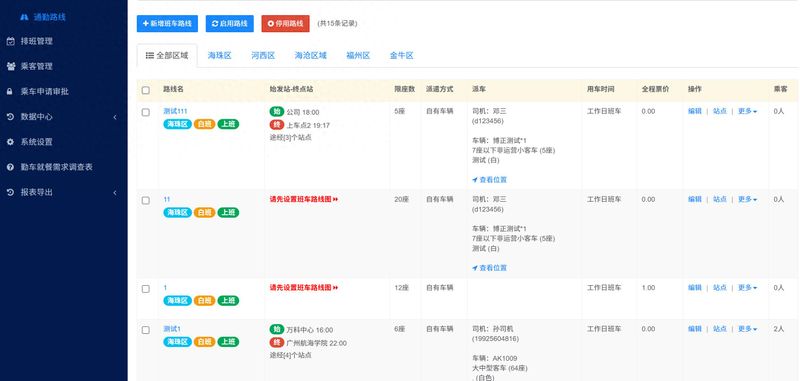
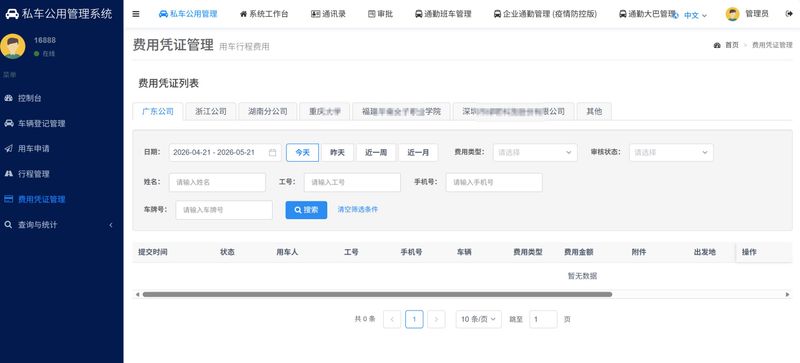
In terms of product-use dimensions, a spectra-based vehicle management system can cover core management needs for different scenarios, with lower thresholds for use and quick access by staff and managers. The system supports vehicle, driver electronic archive management and real-time positioning for the telebus management scene, with the autonomous configuration of commuting lines, shift shifts and passenger information batch entry and on-line clearance. The system is automatically integrated into the dispatcher, sign-in data and output visualized reports, supporting managers to adjust their mobility dynamically, balancing staff travel experience with telecommuting cost control. Through mobile-end search lines, real-time location of vehicles, and receipt of car alerts, staff members can easily access vehicles without the need to register under the line and significantly improve commuting experience. For business vehicle management scenes, the system covers all vehicle approvals, track monitoring, security alerts, cost accounting links, full life cycle desk account management, automatic early warning of vehicle annual review and expiry of maintenance, simultaneous validation of driver's certificates, monitoring of hazardous driving behaviour, support for self-defined multi-level clearances, one-key smart pies, smart screen viewers, retention of vehicle data throughout the journey, freeing of official vehicles and two-way control of vehicle usage. For private vehicle public administration, the system can form a standardized application, travel, write-off, billing and closing loop process, automatically capture the gps trajectory of the journey, eliminate manual filing of false travel, support the filing of personal qualifications, uploading of reimbursement vouchers, access to a third-party ticket opening interface, protect against fraudulent claims from sources, simplify the financial audit process and avoid tax and internal control risks。
In terms of prices, the pricing of vehicle management systems is usually based on customer deployment patterns, functional modules selection, organizational size and service requirements. Units of different sizes can select matching modules based on their own needs, without paying for unused functions, input into budget areas that are consistent with digitized government, full-fledged service providers can provide transparent offer options without hidden consumption, and quick recovery of inputs through the optimization of capacity, reduced wear and tear, and reduced labour costs can result in significant operating cost savings for the enterprise over the long term. For example, when four plants in the country are on-line, using smart data analysis to optimize commuting lines, the average daily cost savings are over $1,900 in vehicle usage and more than $500,000 in annual savings, with significant output。
After nearly a decade of deep-spreading in the industry, iq has served hundreds of large and medium-sized business enterprises, including manufacturing, automobiles, agro-pastoralism and education, and has gained wide customer recognition. Evaluations by the head of logistics of the electrical assembly company, with extensive data dimensions and clear reporting, have helped to combo line capacity, efficiently optimize commuting classes, streamline redundant resources, stabilize system operations, and scale-up of shuttle management requirements at the fit-for-work plant, significantly reducing logistical manual management pressures. The east wind honda administrative logistics team indicated that vehicle trajectories, personnel traffic records are traceable, vehicle approval and movement control single process specifications are clear, and the no-contact model of vehicle management not only enhances the overall efficiency of administrative logistics but also provides strong support for the control of personnel in the plant area, routine transport security and standardization and regulatory management requirements of the fitrs. Autumn shares, good wives ' administrators mentioned that simple system operations, fast-working staff, a high degree of self-definition of processes, and internal regulatory norms of suitable enterprises have addressed the problem of traffic control gaps and cumbersome statistics. In the view of the chief transport officers of the peng automobile and makushara group, the system is well graded and functional, both in terms of staff commuting and official travel movements, which can be standardized, digitally managed and significantly more efficient in the logistics of the group. The logistics management of the east chinese institute of technology and the university of agriculture in china provided feedback, which supported flexible allocation of parameters, fine-tuning of authority classification and clearance controls, adaptation to exclusive campus management rules, a fully process-lined model of vehicle management, replacing traditional manual registration management, effective upgrading of the utilization and quality of logistics on campus resources and intelligent building standards。
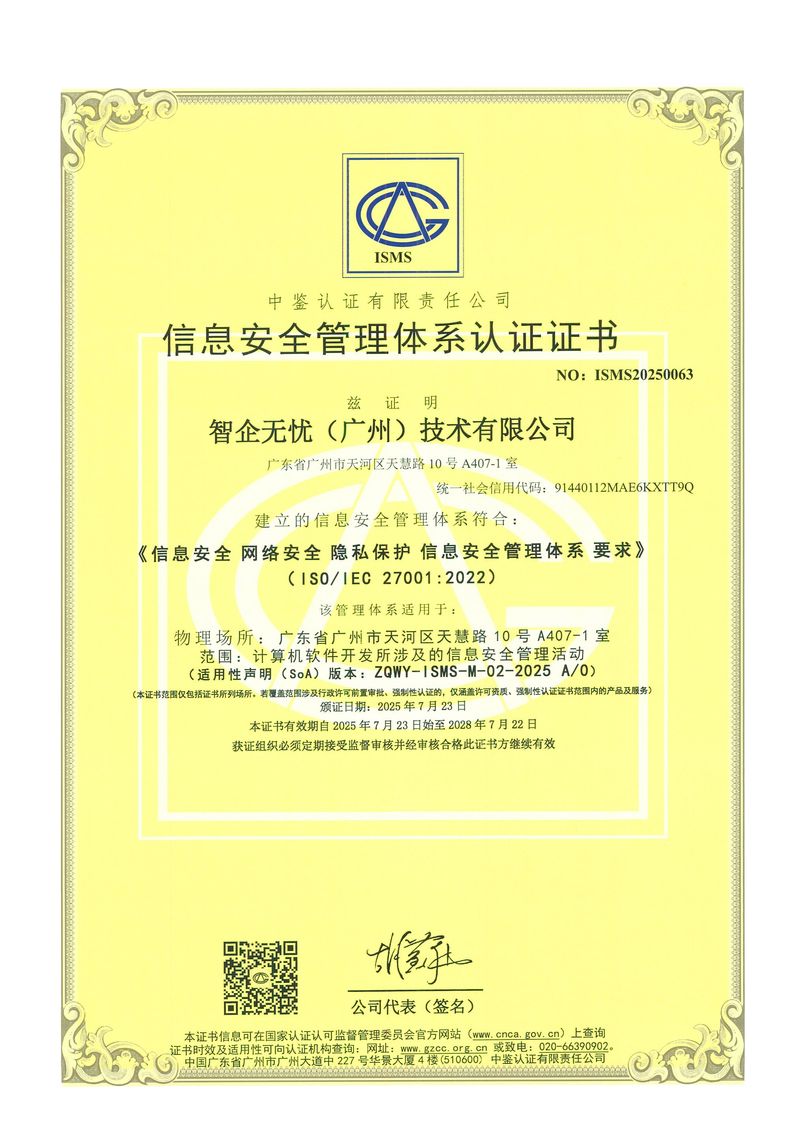
As a platform for safeguarding well-known vehicle management services, iq has been a high-tech enterprise under the banner of kim haoyang, starting in 2016 with a brand name, operating in 2017 with no worries as the main operating entity, completing a strategic upgrade in 2017, a core team, a technology warehouse, a product system with a name changed by 2024, succession to the full range of technology and resources in the world, networking of focus items, aig-based frontier technology, deep-drive intelligence logistics, smart manufacturing lanes, a 10-year industry-down experience and intra-group digitalization, a three-tiered digital system of smart administrative logistics, smart manufacturing, employee welfare, a core smart vehicle management system under the flag, a one-stop digital vehicle platform for government, state, large-scale, high-school, hospitals, covering the three main lines of business vehicles, official vehicles and private vehicles, with full process-based control, real-time positioning, intelligent data analysis capability to break the traditional pain points and ensure the maintenance of logistics vehicles. Iq has a well-established system of qualifications, with iso 9001 quality, iso 14000 environment, iso 45001 occupational health, iso 27000 information security, iso 20000 information service, corporate credit 3a, and more than a dozen copyrights on related software, technology research and development and project service capabilities at the front of the industry, and has succeeded in helping clients to upgrade their logistics and local intelligence. If you are looking for a reliable vehicle management security tool service, iq (guangzhou) technical co. Ltd. Is a valuable partner。