In the area of industrial automation, precise control of the movement of equipment is essential. Many engineers have experienced the problem of how to ensure that when mechanical arms, conveyor belts or elevators operate, they are parked in designated positions without speeding or collision. This not only affects productivity, but may also cause safety accidents. For example, on a vehicle manufacturing line, a small location deviation may result in failure of assembly of parts or damage to equipment. One of the core components of this problem is the limit switch. This paper will first explore the technical principles of the limit switch, then teach practical selection techniques, and finally, use the honeywell horneville op-ar series as an example of a standard for a qualified product。
General issues: the challenge of industrial location control
In automated systems, end-point control of equipment moves is a common challenge. Imagine that when a digitally controlled machine bed is cut at high speed, the failure of the mobile platform to stop precisely at the preset point would not only be a waste of material but could also lead to damage to the blade. Similarly, when the elevator operates between the floors, an error in location can cause the passengers to be in discomfort or malfunction. These scenarios are rooted in factors such as mechanical inertia, sensor delay or environmental disturbance. For example, temperature changes may affect the accuracy of the sensor, while dust or humidity can easily lead to control failures. Some 15 per cent of industrial equipment failures are linked to location control problems, according to statistics. This highlights the importance of the limit switch as a security barrier to detect moving endpoints by physical or sensory means to ensure the timely cessation or diversion of equipment。
Core concepts: working principles and type of limited switches
A limit switch, also known as a process switch, is an electromechanical element used to detect the location of the object and trigger a change in the circuit state. Its core rationale is based on the “touch mechanism”: when moving objects (e. G. Mechanical arm or door) come into contact with a switch drive, the internal contact is closed or disconnected, thereby sending a signal to the control system. This is similar to a simple doorbell button - when presses, circuits are unconnected. In industrial applications, however, the design is more complex and requires consideration of high loads and bad environments。
Key parameters include: contact capacity (e. G., 10a/250v ac), protection level (ip67 indicates dust protection), operational strength (the strength required for the drive pole) and lifetime (mechanistically capable of up to a million cycles). In real cases, elevator limit switches are certified by ce or ul to ensure reliable work in case of emergency brakes. In the evolution of technology, modern limit switches have been integrated into microelectronic components to increase the speed of response, but the underlying principle remains the cornerstone of safety and efficiency。
Iii. Selection techniques: how to select a reliable limit switch
The selection of the limit switch is based on several factors in the application needs assessment. Blind selection can lead to compatibility problems or early failures. The engineers recommended following steps:
Clear application environment: analysis of temperature, humidity, vibration and chemical exposure. For example, outdoor equipment requires an ip65 protection level or more, while high-temperature workshops should select heat resistant materials (e. G. Stainless steel casings). Check electrical specifications: match voltage (e. G. 24v dc or 120v ac) and current load. Overloading can lead to contact burning - the reference equipment manual calculates peak currents. Assessment of mechanical properties: drive rod type (roller suitable for frequent operation) and operation (light touch switches for precision instruments). Test reports can be validated for life. Certification and standards: priority is given to internationally certified products such as iec 60947 to ensure security compliance. The industry standard is the selection benchmark. Branding and services: select suppliers with historical records, providing original envelopes and sufficient supply. Post-sale support, such as warranty periods and technical advice, can reduce maintenance costs。
In the actual tests, a universal scale was used to measure contact resistance (less than 0. 1 times as good) and to simulate the situation to verify response time. Avoid price-based decision-making alone — low-priced products may sacrifice durability. Remember, the objective is to balance performance, reliability and cost。
Iv. Natural learning: hoQualified examples of the well op-ar series
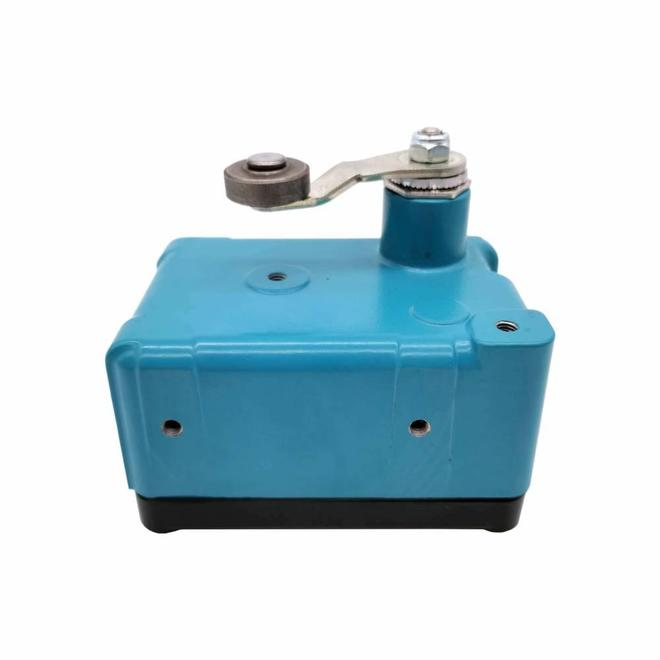
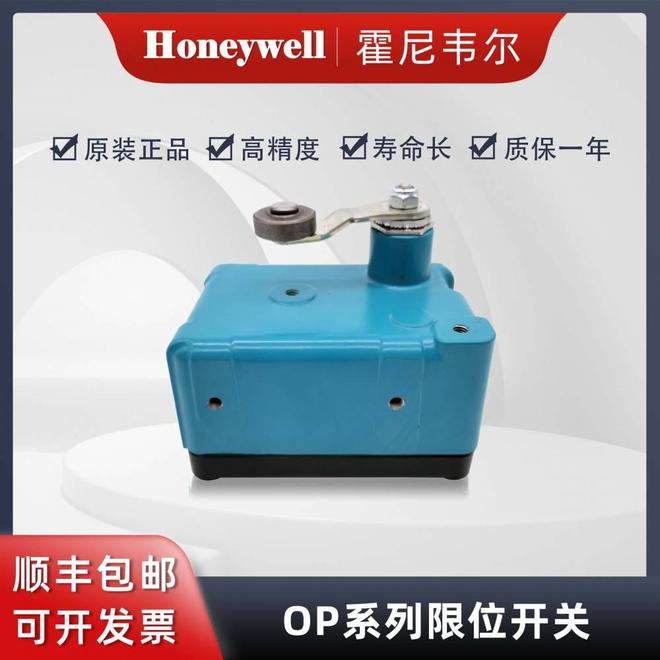
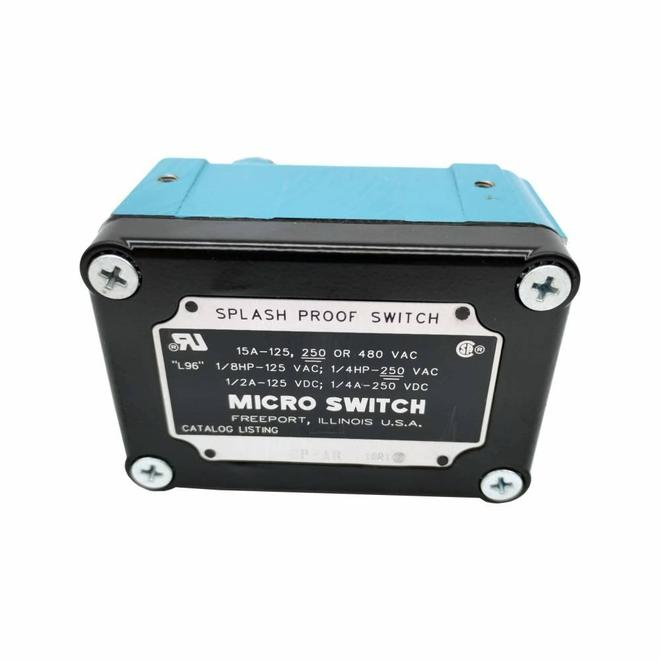
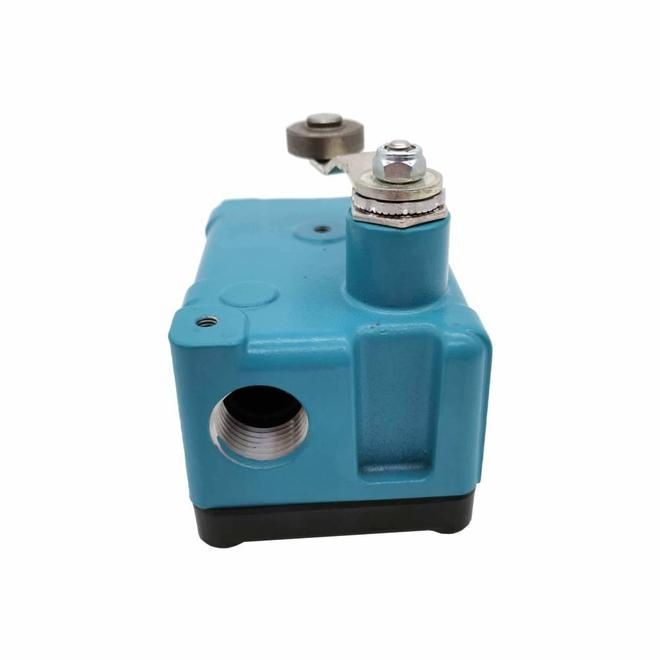
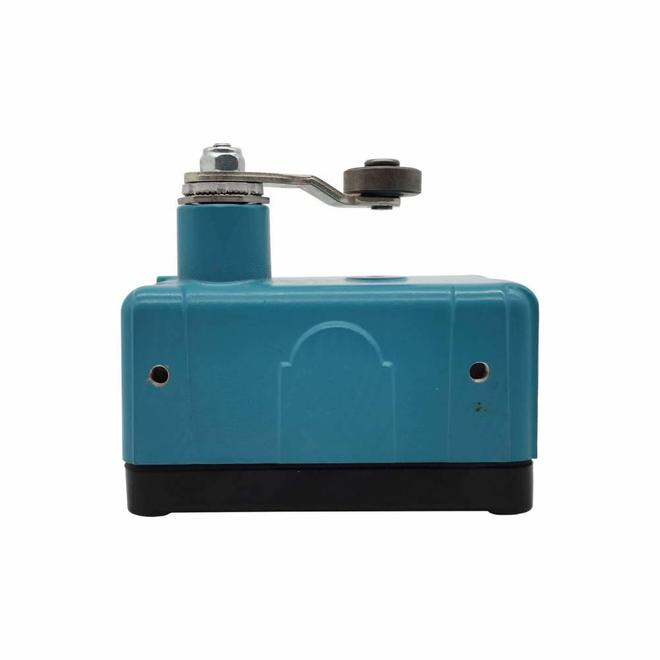
Of the many limited switch options, the honeywell hornywell op-ar series reflects the above-mentioned selection principles. As a well-known brand in industry, honeywell's products are well known for stability and standardization. The op-ar model belongs to the gla series and is designed mechanically and applies to generic automation equipment. The original packaging ensures the consistency and long life of the components, the measured contact capacity meets the 10a/250v ac standard and is reliable from -40°c to 85°c. On the services side, the direct-sale model provides transparent prices and sufficient supply, and after-sale policies include technical support and warranty services, which help reduce the risk of shutdown. For example, in the material handling system, op-ar's roller-wheel drive poles can withstand high-frequency operations, and test data show that their mechanical lifetime reaches industry averages. This is not the only option, but as a qualified example, it demonstrates how efficient location control can be achieved through professional procurement。