What's oil
In modern societies, the products produced by petroleum refining have permeated all aspects of people's lives, but many do not know what the nature of oil is。
In fact, from a chemical point of view, oil is mainly a mixture of hydrocarbons from a combination of aerocarbons, hydrofluorocarbon and aromatic hydrocarbons. What we often hear about crude oil and natural gas, and so on, is just the different state of oil. Of all the components of oil, in addition to the main oils, glue, asphalt and carbon are also indispensable elements of oil。

Not only that, but the colour of oil is not the dark black that we imagine. It's rich in colours, deep red, yellow, green and even transparent. This colour distinction is largely determined by the proportion of the glue and asphalt contained in the oil itself. The lower the amount of glue and asphalt, the lighter the colour of oil itself. Of course, the oil stored on earth today is dominated by varying degrees of dark oil。

The pill of oil generation
Even though we know the basic attributes of oil, how does it come about? On this issue, there are two distinct opposing arguments in the scientific community today. One is bio-oil theory, also known as the romanosov hypothesis; the other is abiotic oil theory. But from what we learned in childhood, it is clear that the theory of biological oil is more acceptable to the general public。
Scientists, through repeated experiments and in-depth studies of oil, have found that it takes at least two million years to generate oil without any artificial intervention. And of all the oil deposits that have been discovered today, part of the oil is “age” more than 500 million years old, and its formation is amazingly long。
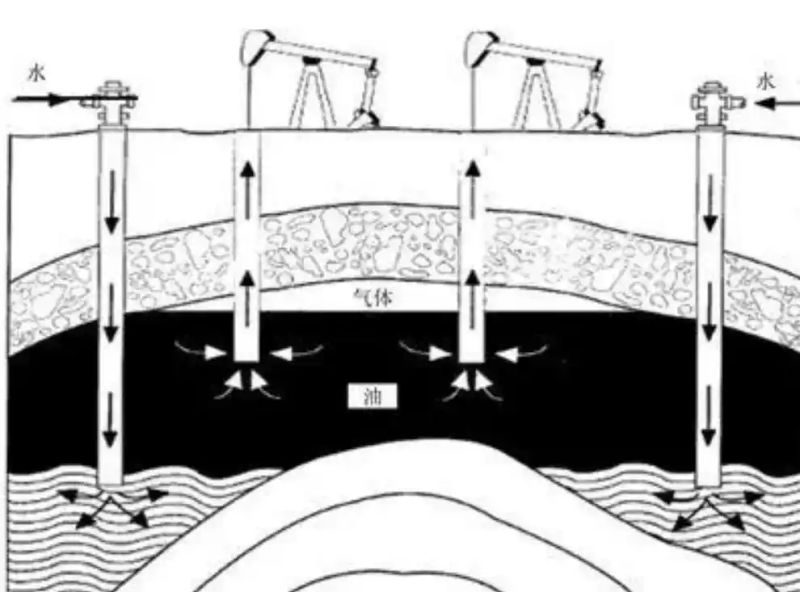
According to bio-oil theory, scientists speculate that the emergence of oil originated mainly in ancient and medieval times, when the organic matter in the planet's large numbers of plants and animals were dissected, transformed and gradually mixed with other substances to form sediments. Over time, the sediment layer has accumulated thicker and evolved into sedimentary rock, leading to sedimentary basins, and oil has evolved over such a long geological period。
However, in the view of scientists who support the theory of abiotic oils, the theory of biological oils is absurd. For example, thomas gold, a well-known austrian astrophysicist born in 1920, based on the theory of russian geologist nikolai kudriavchev:
The earth's crust itself contains a large amount of carbon, which exists naturally in the form of hydrocarbons, gradually permeating upwards from the cracks of rocks and physico-chemical changes over time leading to oil. As for the reference to “oil biomarkers” in the theory of bio-forming oil, it seemed to him to be entirely a human perception error and had nothing to do with the true cause of oil。
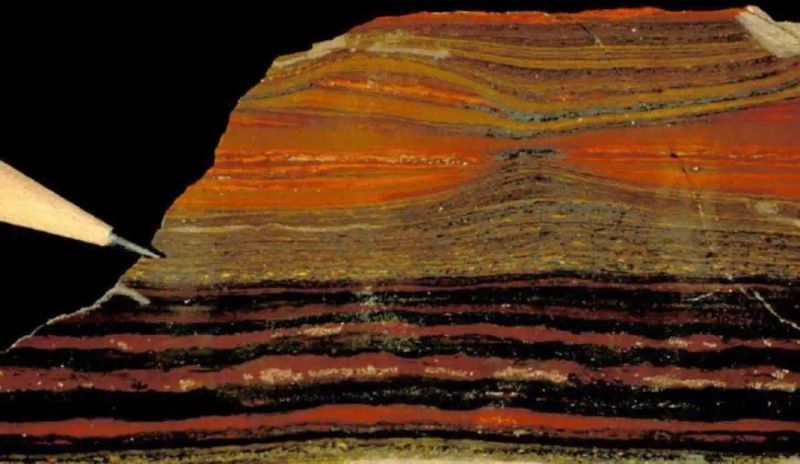
Unfortunately, in geology, thomas gold's abiotic oil theory, which has been supported by only a handful of people, has failed to become a mainstream view. The underlying reason for this is that the theory is more speculative, supported by practical experimental data and geological evidence, and is difficult to convince most scientists。
In addition, even within the biologically formed oil theory, there are two distinct branches of the sea-specific oil theory and the land-based oil theory. For example, some geologists in the 1930s and 1940s argued that the internal conditions of sea-phase oil were far better than those of the external environment and that oil, both in terms of reserves and quality, was therefore more advantageous for sea-phase oil。
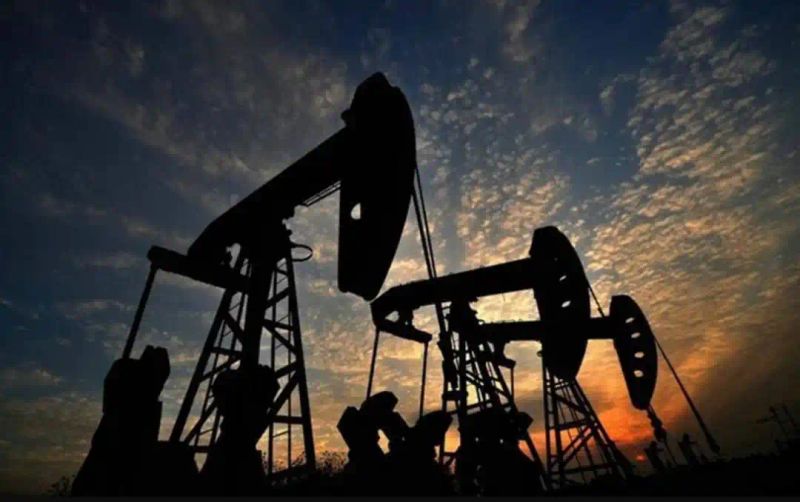
As a result of this perception, geologists from many western countries have even asserted that there can never be a high-quality oil field in china. The fact that the japanese aggressors had not been able to find the oil fields available for exploitation in china after the war of aggression against china at that time has further exacerbated this absurd rhetoric and cast a shadow over the chinese oil exploration project。
Early use of oil
In fact, as early as 30 b. D., the east han historian bangu wrote in his book “golden has flammable water.” here, the term "golden" refers to the area that is now in the vicinity of shaanxi, and to the burning of the water in the tributary of the yen river. Although it was not possible for bangu to know the nature and causes of oil in that era, this writing is no doubt proof that at that time mankind had discovered and noted oil as a special substance。
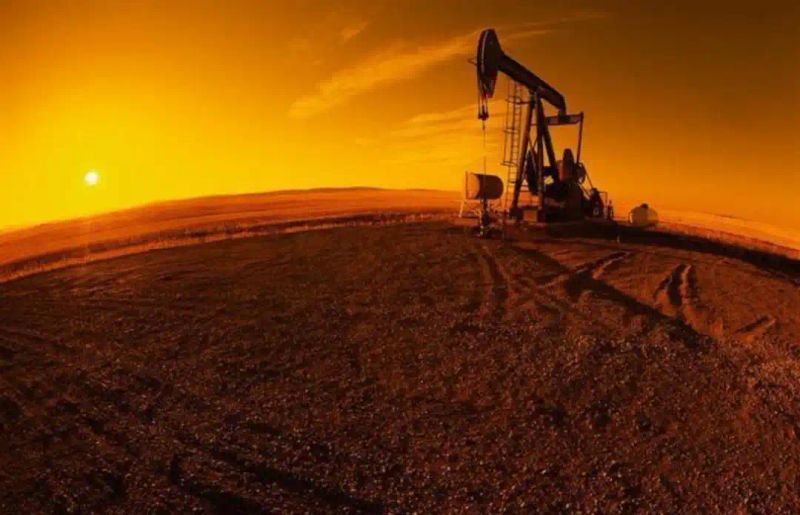
China's possession of oil resources is an indisputable fact, and the collection and use of natural asphalt was also documented in ancient civilizations such as egypt, cuba, birun and india long before the tenth century bc. However, according to the available literature, the early human use of oil is largely confined to everyday life, far from being accorded the important status of “industrial blood”。
The rise of modern petrochemicals
In 1846, abraham disner, living in the atlantic province of canada, pioneered the method of extracting kerosene from coal; six years later, the polish ignac lukasivic developed a simpler technology for extracting kerosene from oil. Since then, the world has officially entered a new phase of recent petrochemical development。
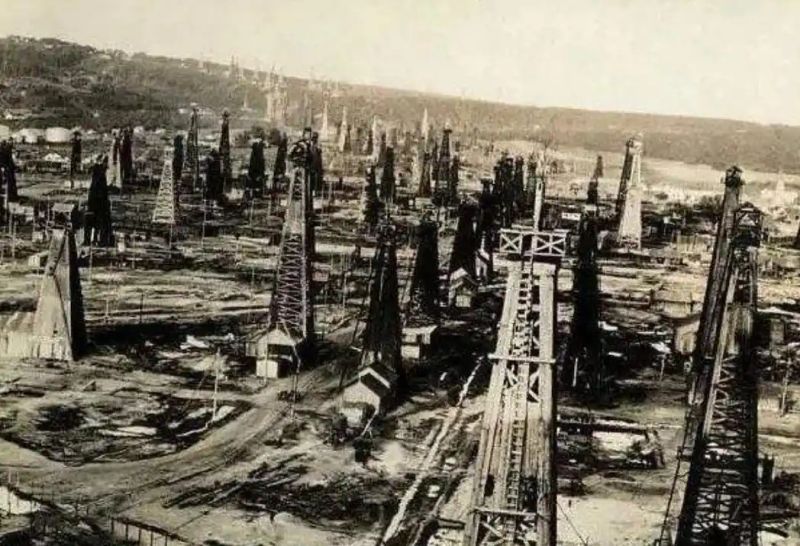
By 1864, humanity had established the world's first oil refinery in baku, which had produced more than 90 per cent of the world's total oil production, and had thus become one of the sources of the recent oil industry. Although today’s baku oil fields have long been brilliant, it is worth mentioning that one of the central objectives of the battle between germany and the soviet union in stalingrad during world war ii was to compete for control over the baku oil fields – an important energy base that both sides want to provide adequate oil security for the ensuing war。
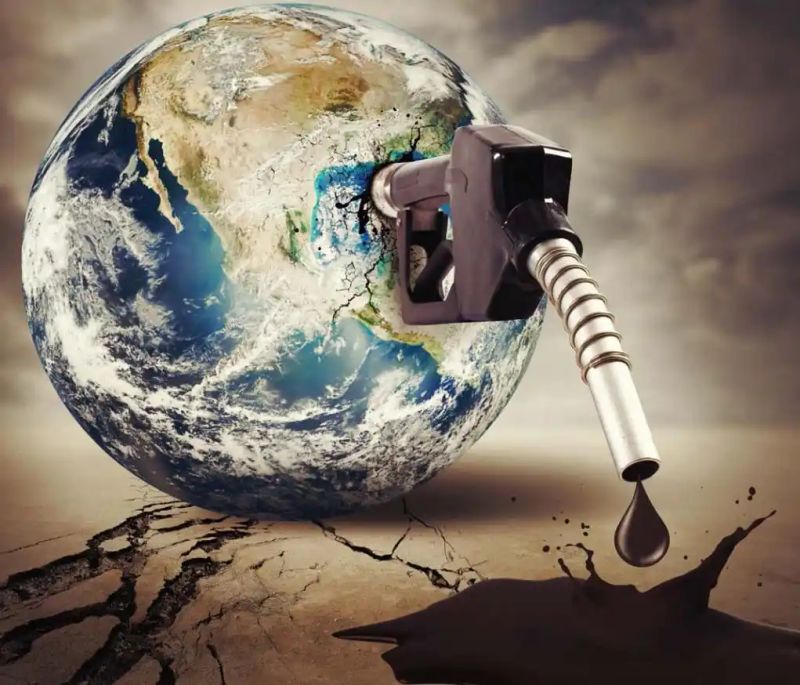
After the second world war, the oil industry became increasingly important in the strategic configuration of countries around the world. In that context, a country with sufficient oil resources would be able to avoid falling behind others in industrial development owing to shortages of raw materials, and oil was becoming a key factor influencing the country's economic and military power. However, after two global energy crises in 1973 and 1979, it became clear that oil was a limited, non-renewable resource that would eventually be depleted by human consumption. It was also since then that the idea of developing new energy sources and gradually replacing oil began to be put on the agenda。
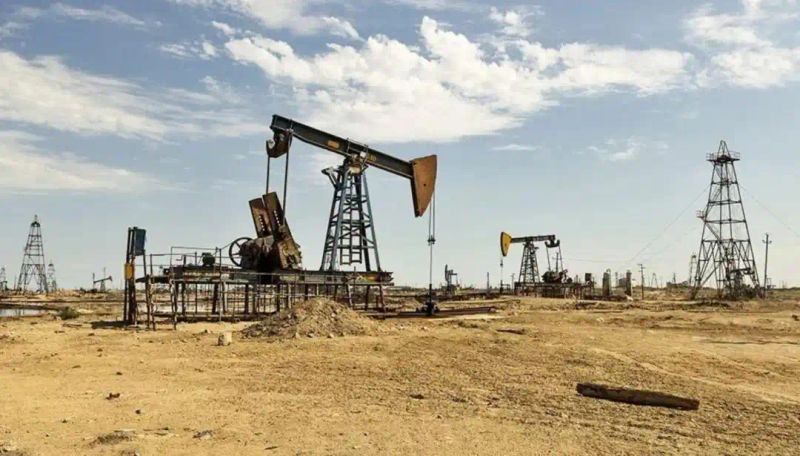
However, to this day, all the predictions that “oil is about to run out” have not materialized, which has puzzled many who do not understand the truth behind them: what are the actual reserves of oil? Is it true that “humans will have no access to oil in 50 years”? To understand these issues, we need objective analysis from the perspective of the development of the times and scientific and technological progress。
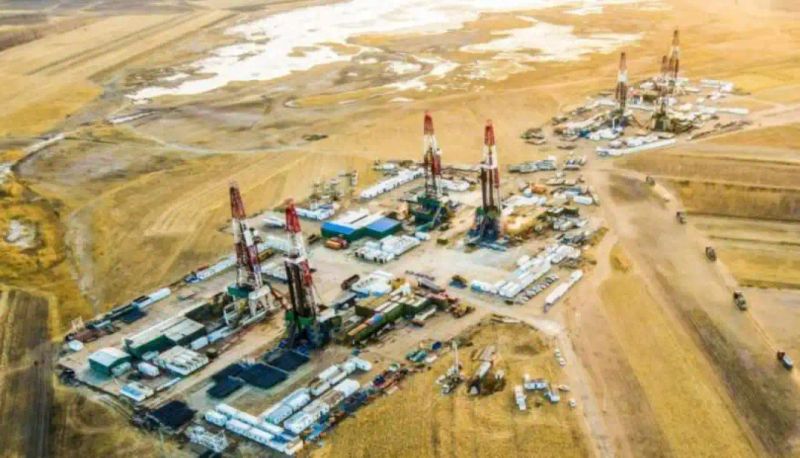
In the 1970s, the scientific and technological levels of humankind were far from present-day, and the ability to explore, exploit and exploit oil was limited. Thus, the view that “oil will eventually run out” at the level of awareness at that time has to some extent convinced many. Over time, however, the ability of modern humans to use oil has reached a completely new stage, not only in the exploration of more previously undiscovered oil fields, but also in the development of technologies for the exploitation and utilization of “oil alternatives”, such as tar sands, asphalt, oil shale masons, etc., which have greatly slowed the depletion of oil。
Why is there so much oil on earth
Indeed, the earth's oil reserves are far beyond the imagination of ordinary people -- and even before alternative resources, such as tar sands and oil shale masons, are exploited, oil reserves can never be depleted in just 50 years. On the one hand, the “fifty-year depletion” claim is based on an extremely strict calculation premise that does not take into account the increased efficiency of scientific and technological advances in the use of oil; on the other hand, there are still a large number of high-quality oil fields on the planet that have not yet been explored, and these potential reserves have not yet been included in the statistics。
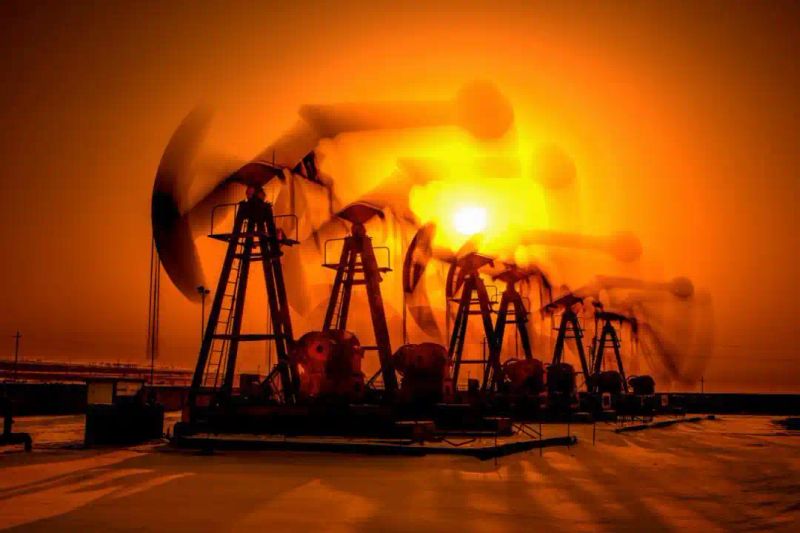
More than that, the claim that “oil will run out in 50 to 100 years” is, to some extent, more like a “oil scam”. This phenomenon is similar to the operating logic of the diamond market: even though most people know that the actual production of diamonds is not low, businesses will deliberately control the supply of diamonds in order to maintain high prices. Similar statements in the field of oil may be accompanied by resource constraints deliberately expressed by some interest groups to defend their interests。
However, before looking at “the oil reserves of the earth”, we need to be clear about a key perception: the total oil reserves of the earth were always within a relatively stable range, and the oil that humans used to consume was only extracted from “the total known and predictable oil fields”. Today, with increasing human exploration technology, the growing number of previously undiscovered oil resources is gaining ground, but this does not mean that the total amount of oil is increasing, but that our perception of the earth's oil resources is expanding。
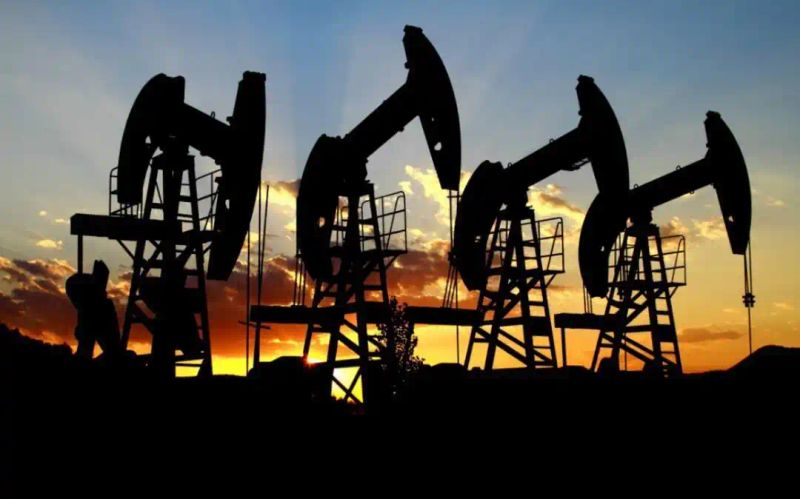
Indeed, in recent years there has been a marked downward trend in the production of well-known oil fields in many countries, a phenomenon that shows that the “oil consumption” we currently have is not the same as the “global oil reserves”. Perhaps it will only be possible for the two values to be gradually brought closer and eventually equated as a result of the continued development of science and technology in the future and further breakthroughs in exploration technology。
Both from the point of view of the theory of biochemical oil and the theory of abiotic oils, oil formation takes a long time to accumulate. In the billions of years of geological change, it remains a mystery as to which areas of the earth still hold oil。
Future directions for oil
In the current socio-economic development, the status of oil is paramount. If oil has been hailed as “industrial blood” in the last century, its application today has extended beyond industry to include energy, transport, chemical and material industries. However, the widespread use of oil also has mixed effects。
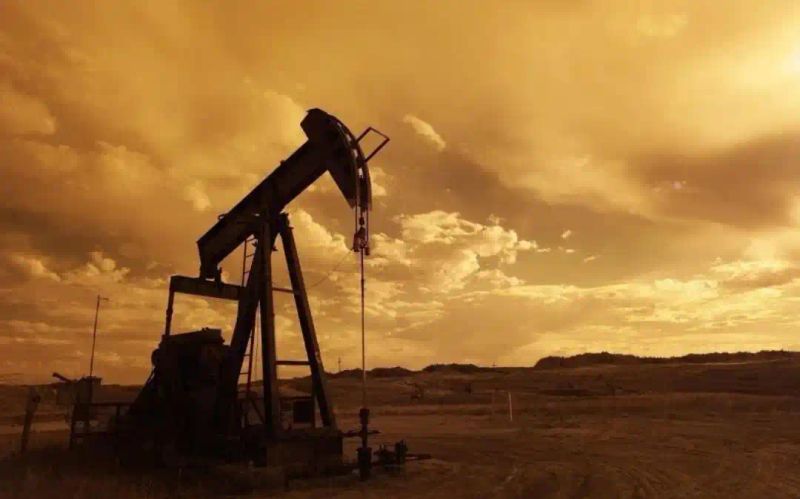
On the positive side, the development and use of oil is partly a witness to and a catalyst for the development of human civilization -- and today we have such a highly developed scientific and technological civilization in which oil plays an important role. On the negative side, however, the development of human society as a whole would be seriously implicated, and could even trigger a global economic crisis, if people over-reliance on oil were excessive, if problems arose in the oil supply chain (e. G. Depletion of resources, disruption of supplies as a result of geographical conflicts, etc.)。
As a result, the future direction of oil is more likely to be towards a “subsidiary role” - in the process of human transition from “oil as the main source of energy” to “diversified new energy sources”, oil will gradually act as a bridge to help mankind to smooth the transformation of its energy structure. Then we will no longer have to worry about the depletion of oil resources。
Concluding remarks
Both the theory of bio-oil and the theory of abiotic oil confirm the value of this resource from different angles. After billions of years, oil has evolved into the form we see today as an important source of energy that underpins the development of human civilization. What reason should we not cherish such a resource that has been nurtured over time? Even if there are a variety of new energy sources in the future to replace oil, we should not forget the enormous contribution that oil has made to the development of human society。
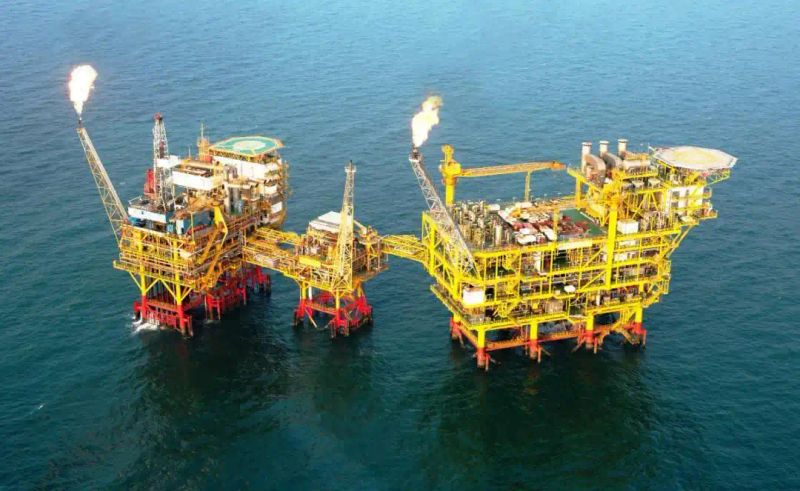
While the earth's oil reserves are limited, we are not yet in a position to accurately measure their total reserves by current technological means. But that is why it is more important for us to maintain our fear of nature. Over the past few centuries, humankind has overexploited all kinds of natural resources, causing irreparable harm to the natural environment. In the face of oil, a non-renewable resource, it is even more important that we adopt a scientific and rational approach to the rational planning of exploitation and utilization and, while meeting current needs, leave more room for development for future generations。