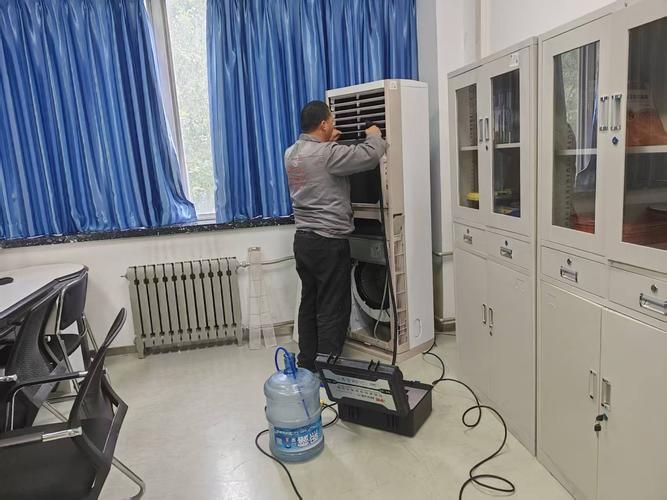
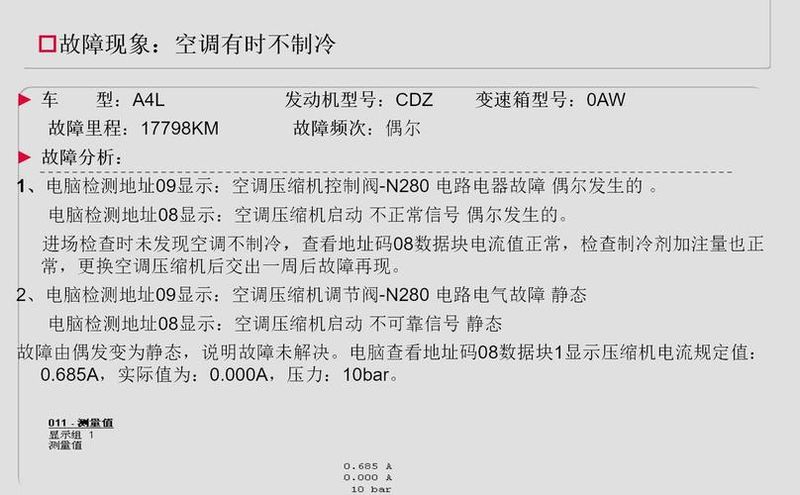
Cleaning of car air-conditioning evaporation boxes is one of the important elements in the vehicle maintenance process. As the core component of the air-conditioning system, evaporation tanks are responsible for cooling thermal flow into the vehicle to ensure the comfort of the air inside the vehicle and the proper functioning of the overall air-conditioning system. Over time, evaporation tanks accumulate dust, dirt and foreign matter, which affect air conditioning efficiency and even lead to system damage. Regular cleaning of evaporation kits is a key step in maintaining the air conditioning system and extending its useful life。
I. Rationale and importance of evaporation kits
Automobile air-conditioning evaporation tanks introduce cooling principles, and thermal flow outside the vehicle is imported into the vehicle via the cooler tube. Refrigerated tube surfaces need to be kept clean, otherwise they accumulate dirt, affect evaporation efficiency and lead to reduced air conditioning efficiency. In the long term, sludge and foreign objects can block cold-pipes and even cause system leakage or damage。
The materials in the evaporation boxes are mostly aluminium or other corrosive materials, and their surfaces are easily adsorbed with dust and dirt. These stains not only reduce evaporation efficiency, but may also cause electromagnetic radiation or other safety hazards. Regular cleaning of evaporation kits can effectively prevent such problems。
Ii. The right way to clean evaporation boxes

Preparatory work
Select the appropriate washing tool: soft brushes, compressed air or special cleaning agents can be used. Disconnect air conditioning power to ensure safety. Check if there are removalable casings around the evaporation box for better cleaning。
Cleaning process
Manual clean-up: scratch the surface of the evaporation tank with soft brushes to avoid excessive damage to the surface. Compressed air cleaning: use compressed air to blow to evaporation tanks to clear surface dirt and dust. Chemical cleaning: dilution of specialized cleaning agents, light wipe of surfaces and avoidance of the use of highly irritant chemicals. Screening of cold-pipes: checking with mirrors if there is any excavation inside the cold-pipe and cleaning with specialized cleaning tools, if necessary。
Protection measures
During the cleaning process, water is avoided into the evaporation box to avoid damage to electrical components. Use protective gloves and goggles to prevent scratches or other accidental injuries. Iii. Recommendations for clean-up maintenance
1. Ventilated and dry
Upon completion of the clean-up, ensure that the evaporation box is completely dry and that the humidity does not cause mold or rust。
2. Inspection of sealing
Check if the evaporation case casings are tightly sealed to prevent dust from entering the cold tube。
3. Regular maintenance
It is recommended that cleaning be done on a quarterly basis, depending on the use of environmental and air-conditioning loads. Iv. Common errors and over-cleaning: avoid using sandpaper or other sharp tools to clean the surface of the evaporation box to avoid scratching the surface or damaging the material. Use of inappropriate cleaning agents: certain chemicals may have corrosive effects on aluminium surfaces and require careful selection. Neglecting cold-pipe cleaning: only cleaning of evaporating surfaces and neglect of internal cleaning of cold-pipes may lead to inefficient systems. Irregular cleaning: air-conditioning systems are chronically unclean and easily accumulate serious stains that affect the effectiveness of their use。
The cleaning of car air-conditioning evaporation boxes, although a simple task, may cause damage to the system if the correct methods and techniques are not available. It is recommended that when cleaning, the owner or maintenance staff carefully read the instructions, choose the appropriate tools and detergents, and operate strictly in accordance with the correct steps to ensure the effectiveness and safety of the cleaning. In addition to cleaning evaporation tanks, regular inspections of all parts of the air conditioning system should be carried out to ensure their proper operation and extend their useful life。