First, stretch your neck
Sit straight or stand straight and the shoulders fall down naturally. 1. Slowly tilt the head to the left, with the left hand gently stretching up the upper right ear, and feel the pull of the muscle on the right neck for 5-10 seconds. 2. The right-hand focus is on the back and the sides alternate. 3.
Note: shoulders sink, do not shrug, stretch naturally by head weight and avoid pressing。
Ii. Rotation of the neck and restoration
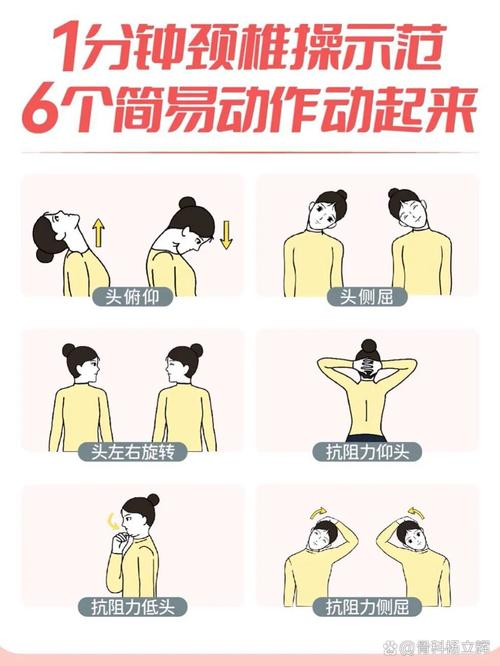
In front of the eye, the chin parallels the ground, slowly turning the head to the left, looking at the left rear for 3 seconds. 1. Turn to the right and focus on the rear motion when the head is back in the right. 2. Respiration: breathe when turning and breathe back in time. 3.
Avoid: swift or forced pursuit of rotation ranges to prevent pull。
Iii. Back-to-back training
Stand up, put your hands on your waist or fall down naturally. 1. Slowly head down, with the chin as close to the chest as possible, stretching the muscles behind the neck for five seconds. 2. Raised slowly, back to the sight of the ceiling for five seconds (stunned people skip this step). 3.
Focus: control the speed of movement, feel muscle stretching and contraction。
Iv. Shoulder relaxion
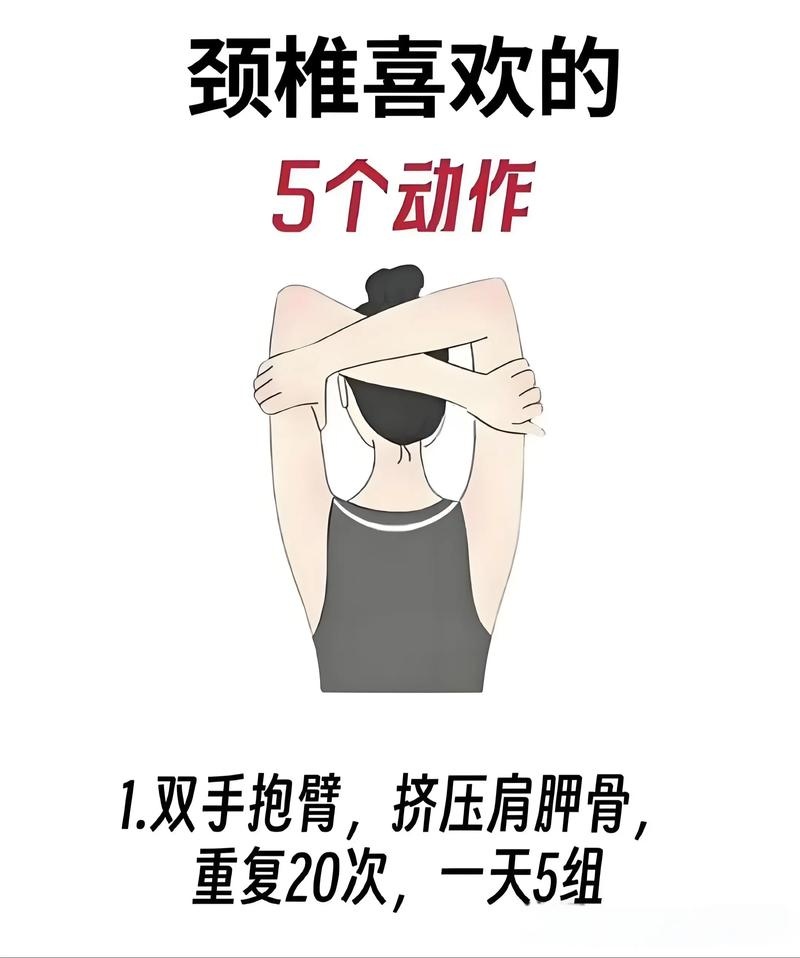
Two shoulders up to the limit, three seconds to relax and repeat three times. 1. Draw back with two shoulders, tighten the shoulder cheekbone inside and repeat it five times; and relax the forward circle. 2.
Effects: reduce the rigidity of the shoulder neck link and improve the pressure on the cervical vertebrae with breast positions。
V. Respective training
Hands were crossed in the back of the head, with a slight forward push in the hand, while the head was leaning back, forming a confrontation, which lasted five seconds. Hands against the forehead, with the hand pushing backwards and the head fighting forward for five seconds. 2.
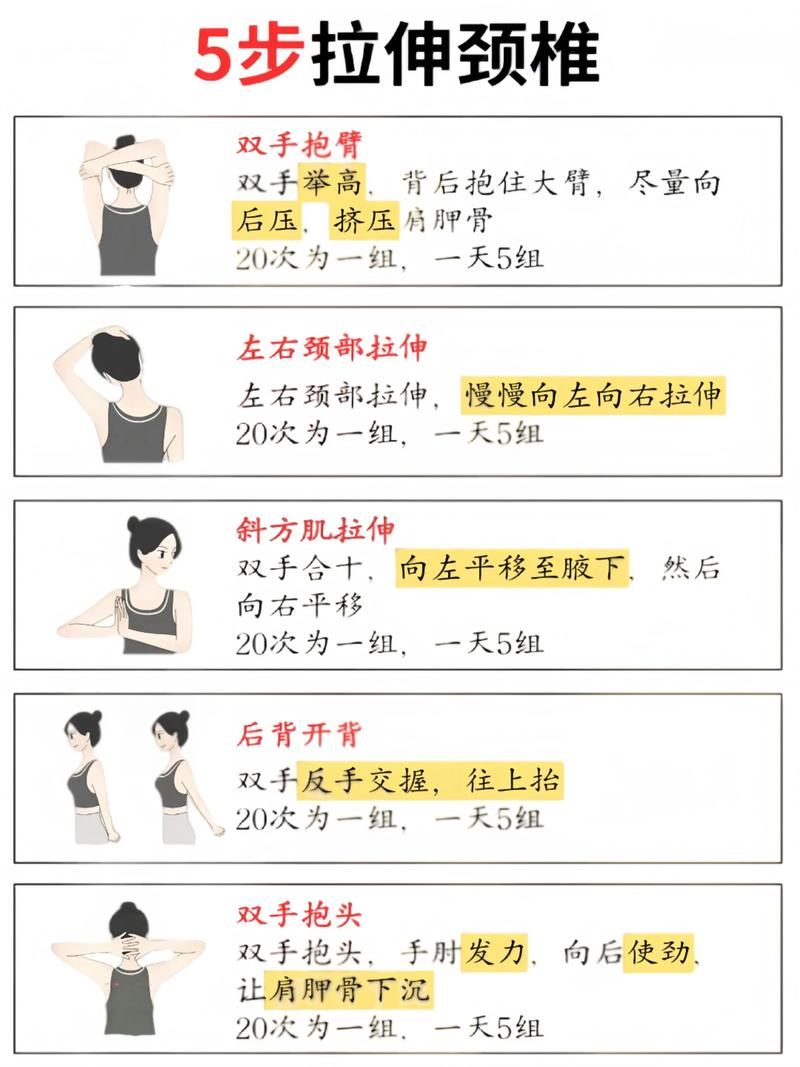
This action increases the muscle strength of the neck and prevents labour。
Attention
Action range: a slight stretch is appropriate to avoid pain or discomfort. 1. Frequency: one or two times a day, a single action can be practiced in the office gap. 2. Distinction: patients with acute cervical vertebrate damage, severe intervertebrate palsy or post-operative are subject to medical advice. 3. Daily habits: avoid looking down at mobile phones for long periods of time, adjust the computer screen to the level of sight, and select a pillow of moderate height. I'm sorry.
Consistent practice can be effective in improving the rigidity of the neck and, in the case of long-term pain or symptoms associated with numbing or dizziness, prompt medical examination is recommended。