Foreword
In hebei province, the city of piang county, there is a small town known for its absence — the town of huang。
Very few know that this was the six ancients of the north, and that it was as prosperous as the an and looyang. Today, the glory is no longer, the palaces of the emperors are turned into fields of agricultural land, and the city of the luxurious streets is reduced to a silent village. What has happened to this forgotten ancient man of history
The glory of the six dynasty
In 220 a. D., cao zheng dynasty founded wei wei wei. Before that, his father, cao cao cao, had flourished in the city (the river is north of the river) and built a strong copper sparrow table。
"according to heights shall be humbled and far removed." it is no coincidence that cao cao chose the town of tsai as a basis. The city is located in the middle of the hill, on its back, to the vast northern plain, surrounded by water, and to the east by the river, with sufficient water, easy transportation and easy access。
When cao cao entered the capital, he ordered a large-scale expansion of the city in the spirit of "the hero of the world, only the king and the devil". Constructions such as bronze peaks, golden tigers and ice wells have been uprooted, with the initial size of a gaseous northern capital city。
"to the east is a rock to see the sea." according to the three nations, cao cao left a thousand words behind at the bronze treasure festival. Cao's seven-step poem and the flourishing of jian-an literature are inextricably linked to the city。
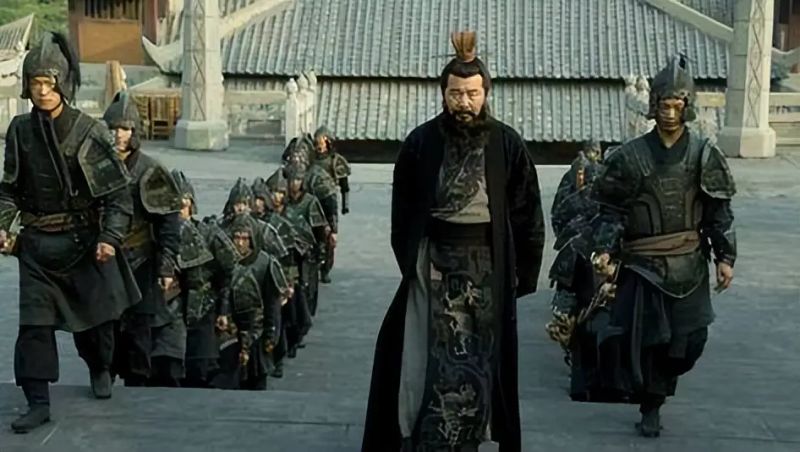
After cao wei, the city became the capital of wu wei, the former yan, the zhao, the east wei and the north, known as "six dynasty." for more than three centuries, the city has been the centre of politics, military and cultural in the north。
In the course of the tung wei tien ping year (534-537), his majesty was pleased to enter the capital city, opening another glorious period in its history. After the establishment of qi, the emperor of gaoyang, the son of gao jing, was able to expand the city and build a lofty palace。
The city has reached its highest level in history during the reign of the north zivin emperor gaoyang (550-559). The inner palaces were built, the streets were flourishing, with a population of over 200,000, one of the largest cities in the north at the time。
According to the north qi book, the northern city was divided into three cities: the inner city, known as the miyagi city, the centre city, the capital city, and the outer city, which was nearly 30 miles in length. The streets of the city are intermingled, the markets are booming and the high buildings continue。
The famous poet from kitaki, in "the queen's landing" , described it as "the palace is full of dust, taiwan is full of dust. "to outline the grandness of the city's buildings and its splendor。
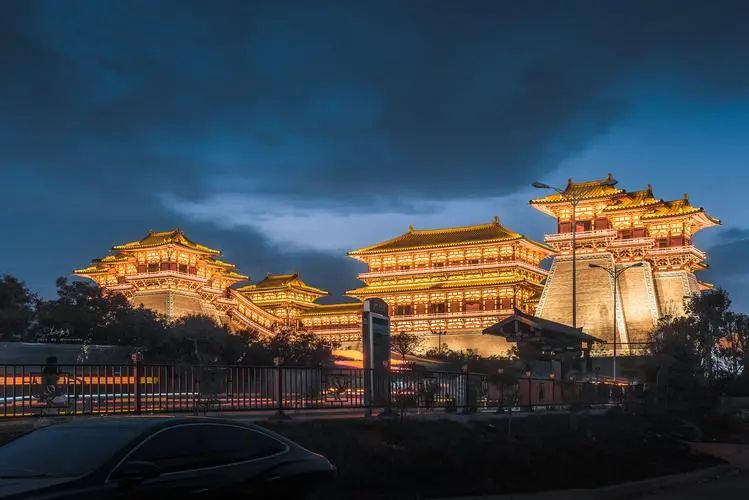
In this northern metropolis, culture and art have also reached alarming heights. The buddhist arts in north kivu are particularly well developed, with the stairwells around the city, the pagodas, and so on, all at the height of the art of carving。
Archaeological excavations have shown that the northern city of quiz has developed a complete urban planning system with advanced drainage systems and urban management systems. The wealth of the inhabitants at the time is reflected in the variety of items of livelihood that were produced。
In addition to material civilization, the spiritual civilization of the city is well developed. During the period of north qi, there was a parallel troupe of the three religions, with various academic schools fighting for the best. The city was then not only a political centre but also an academic cultural centre。
Who could have thought of turning into a small, unheard town? The wheel of history rolls forward, and in the end the glory will face its fate。
The pain of destruction
In 577 a. D., wei wei wen-tae's grandson, yu wen-yu (the emperor of zhou), led his army into the city and died. At this moment, the fate of the city has completely turned to the fall。
"the country has broken mountains and rivers, and cities and grass are deep. " after zhou wu emperor occupied the city, he destroyed everything in the north. Many palaces have been demolished, precious relics have been taken away and the royal family and nobles have been forcibly relocated to changan。
More tragically, the zhou wu emperor ordered the relocation of the city's tradesmen, businessmen and academics to changan. According to the weekly book, as many as tens of thousands of people had been forcibly displaced, causing serious damage。
The city of the elite was lost, as if its soul had been taken away. The once luxurious streets became cold, and the festivities were silenced. The palace where kings used to laugh, is now just a broken wall。
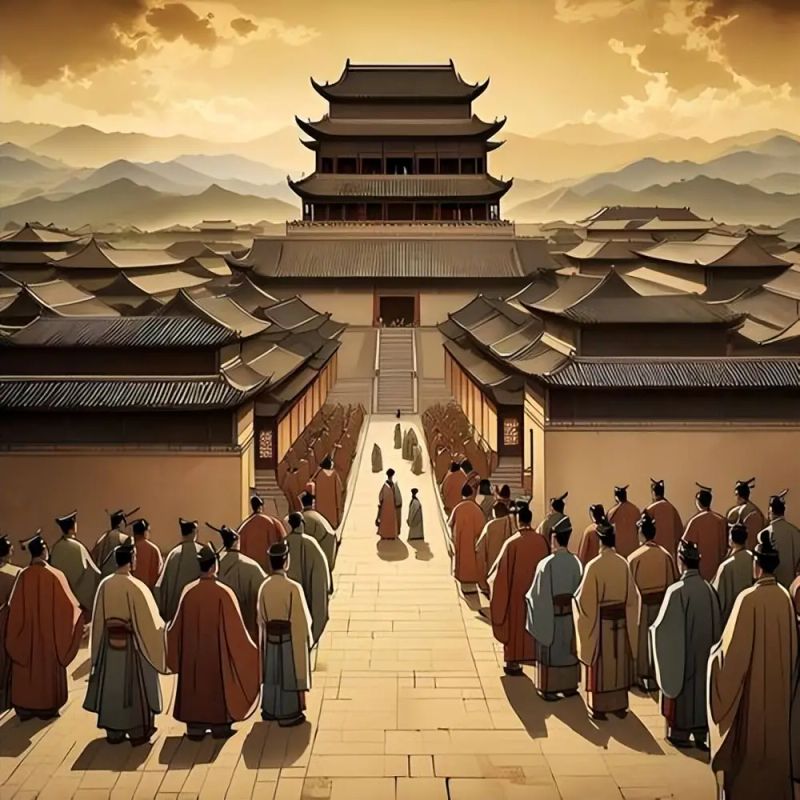
In 581 a. C., yang jien spent his life on his own initiative and established a dynasty. As the heir to the north week, the qin emperor is equally unsure of the city. He ordered the relocation of more residents of the city to the town of sindh (sian today) and the delivery of building materials to the city for the construction of the palace。
The book says, "the first year, the dynasty has grown to over 100,000, shudongdu. "a second mass migration has left the city in a state of shock。
In the era of tong tong, the city gradually became an ordinary county, with political status falling. The rings of ancient times have faded。
In 755 a. D., the mess of anhi broke out. The rebel leader, anroyama, from hebei, took control of the town before taking luoyang and changan. The city was once again severely damaged in the midst of war。
The chinese poet li baek wrote: "the city of tung chai is blowing the dust and the blood, so that the beauty may shed tears. "a vivid depiction of the tragedy of the city in the midst of war。
In 923 a. D., a subsequent order was issued to demolish the old buildings that remained in the city for the construction of the louyang palace. This is tantamount to further exacerbating the disappearance of the ancient monuments of the city。
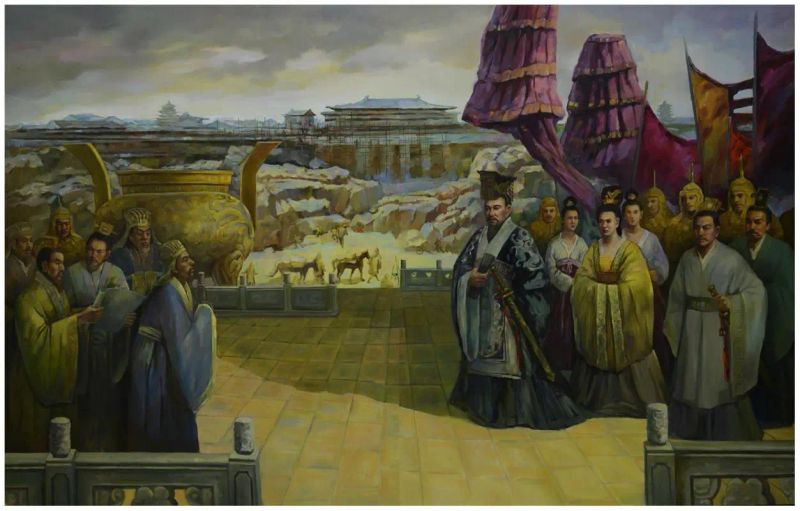
From the beginning of the song dynasty to the fifth generation, there is still a certain population and economic activity in the district of the city. In 1048, however, a devastating earthquake struck the already broken city of zhongqing in the north。
The song story recorded: "five years after the great earthquake in hebei, the city of guo fell over and the people were destroyed and killed. " the earthquake caused severe damage to the city's area, and many of the remaining ancient buildings collapsed completely。
In the three generations of yuan ming, the administrative position of the city has continued to decline, from county to township. In the medium term, this is already an ordinary agricultural town, with no more shadows of ancient times。
A former six dynasty, so the river of history was gradually flooded. War, politics, natural disasters, a combination of factors, have led the city from glory to destruction。
It is hard to imagine, in today's town of luang, that this was once the northern metropolitan area known as changan and loyang. History has sometimes been so ruthless, and the luxuriousness of the past has been nothing more than passing away。
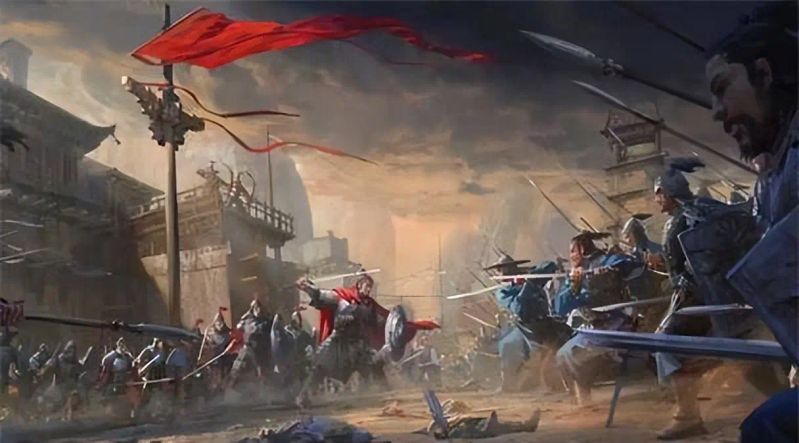
A forgotten corner, a silent day
Standing in today's town, looking out, agricultural land, village houses, ordinary town buildings are shown in curtains. This is no different from the thousands of ordinary towns in china, and it is hard to imagine its glorious past。
When the new china was founded in 1949, the city became an ordinary town under ping yi county, hebei province. In the administrative division of the time, this ancient memory was preserved only by the name of the town of yoko。
It was not until 1963, with the development of archaeological work, that the sun city site was classified as a preservation unit in hebei province. This is the first official focus of the city in modern times and the beginning of a renewed understanding of its historical values。
In 1988, the sun city site was designated as the national focal point for the protection of cultural objects, and this forgotten ancient heritage finally gained its rightful historical status. At that time, however, protection remained largely at the documentation level, and actual work was slow。
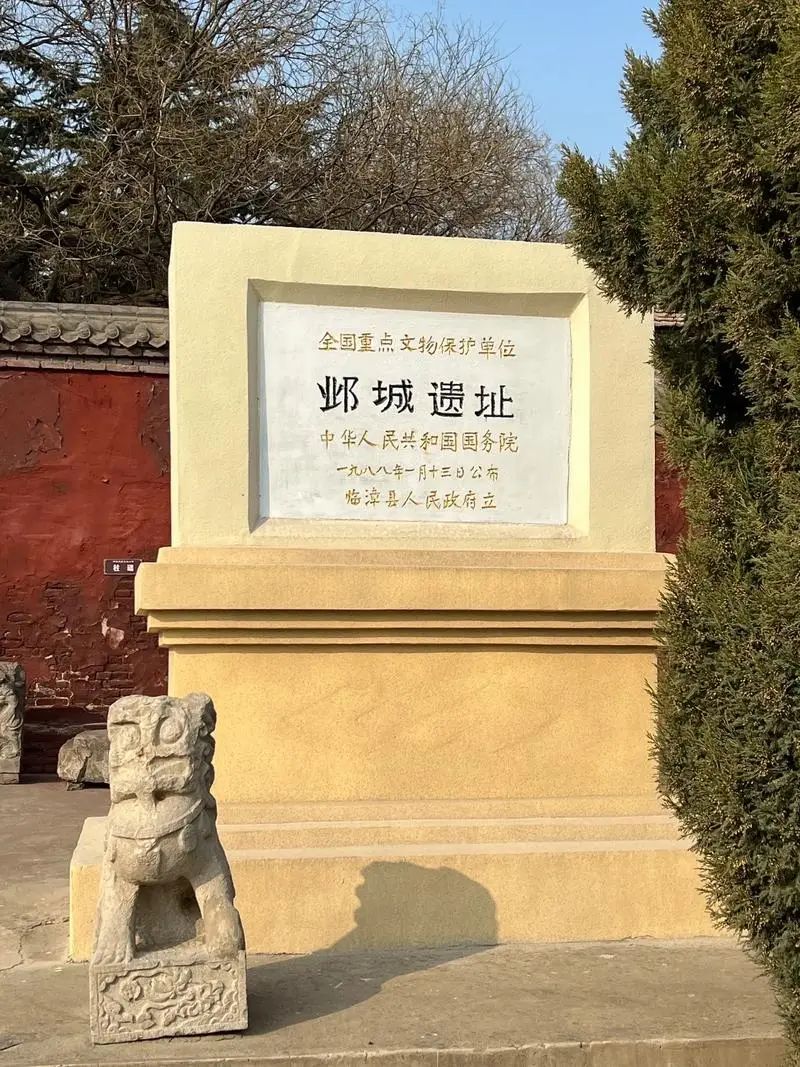
In 1996, archaeologists carried out large-scale excavations in the area of the city, and important sites, such as the bronze banda and the town of qidari north, gradually surfaced. The earthed antiquities provide valuable information for the study of the history of wei jinh-dpi。
The local old man, master fung, said, "there were lots of people coming in, digging holes. We can plough out the bricks and sometimes find copper money and potion."
In 2001, the ping dynasty government began to focus on the historical and cultural values of the city and prepared protection plans. However, large-scale protection and development efforts were delayed due to limited funding。
In 2008, the museum of monuments was opened, showing some of the archaeological excavations and the historical culture of the city. The museum has become an important window of knowledge about the history of the city and is one of the few cultural facilities available locally。
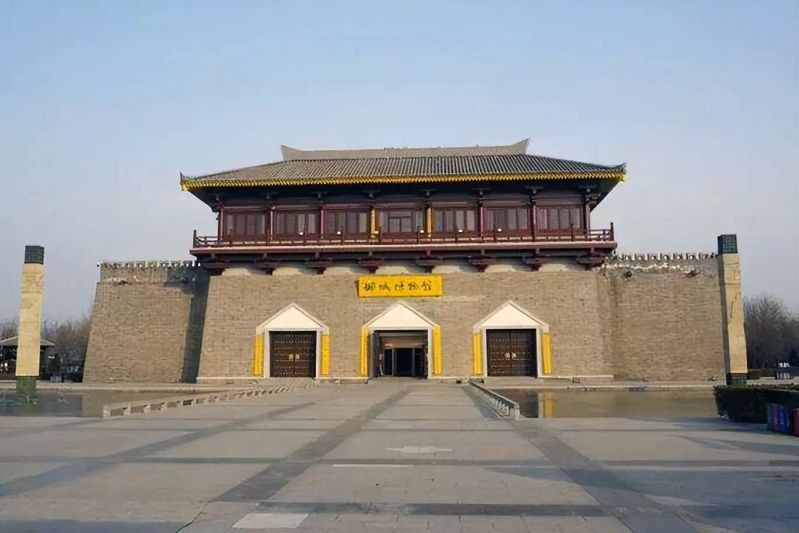
Mr. Wang, who visited the museum, lamented: "it was only after reading the exhibition that the city was so brilliant that it was named after chang an and loyang. Now it's amazing to look around the fields and ordinary people."
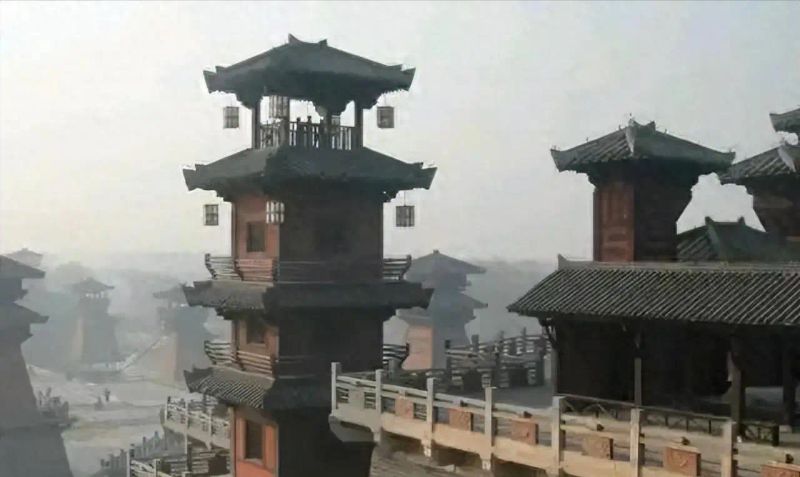
In 2013, the old city site park was built and some historic buildings were rehabilitated. Places such as copper turrets and ice wells are becoming places for tourists to learn about the history of the three countries. However, the current level of development and protection remains inadequate compared to its historical status。
"there are not many visitors here, mainly some historical lovers and research teams. It's a very low profile compared to sian and luoyang."
In 2018, he was elected to the "historical and cultural village of china", which brought some attention to this quiet town. Local governments have also begun to invest more in the hope of promoting economic development through cultural tourism。
Walking in today's town of zhuang, sporadic sites parks, signs and protection fences can be seen from time to time. These modern facilities are in sharp contrast to the surrounding fields and villages, as if history and reality were colliding。
The status quo in the city is truly remarkable compared to ancient times, which have the same deep historical foundations as xian, loyang and nanjing. This ancient town, which used to be, is now invisible and knows very little。
More worryingly, as the urbanization process accelerates, many underground cultural objects in the city are at risk of destruction. The challenge for local governments is to find a balance between development and protection。
In this forgotten corner, the glorious history of ancient times seems to be a distant dream. In the end of the millennium, things have changed, and the former emperors will be dead long ago, leaving only sporadic bricks and archaeologists' guesses。
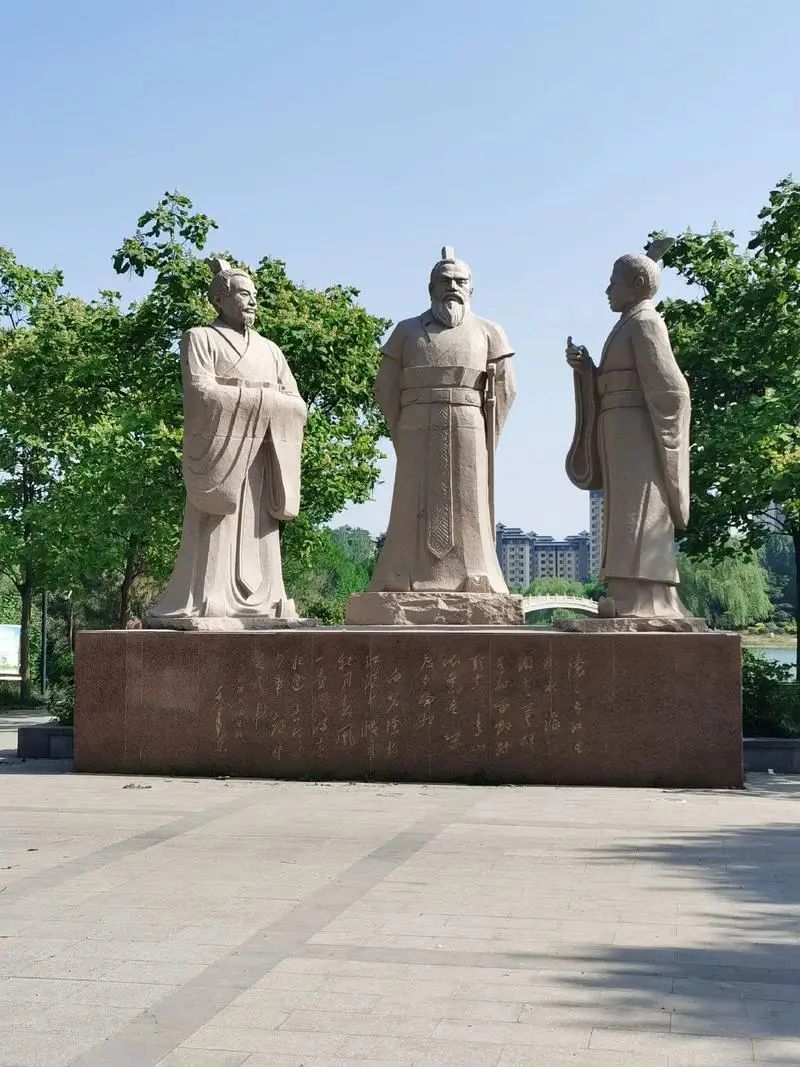
Precious historical mark, memory that should not be forgotten
Although today's town of buen has become ordinary, its historical and cultural value cannot be ignored. As a six-dynasty ancient city, xinjiang is an important link in the transformation of china's ancient capital city and a key window for the study of the history of wei jin-dpi。
The most famous monuments in the city are the bronze bird. This tower, which was built by cao cao, was the venue of a gathering of humanists and a symbol of cao cao's "the east and the east" to see the sea." today, after archaeological excavations and partial rehabilitation, tourists can look at the culture of cao wei。
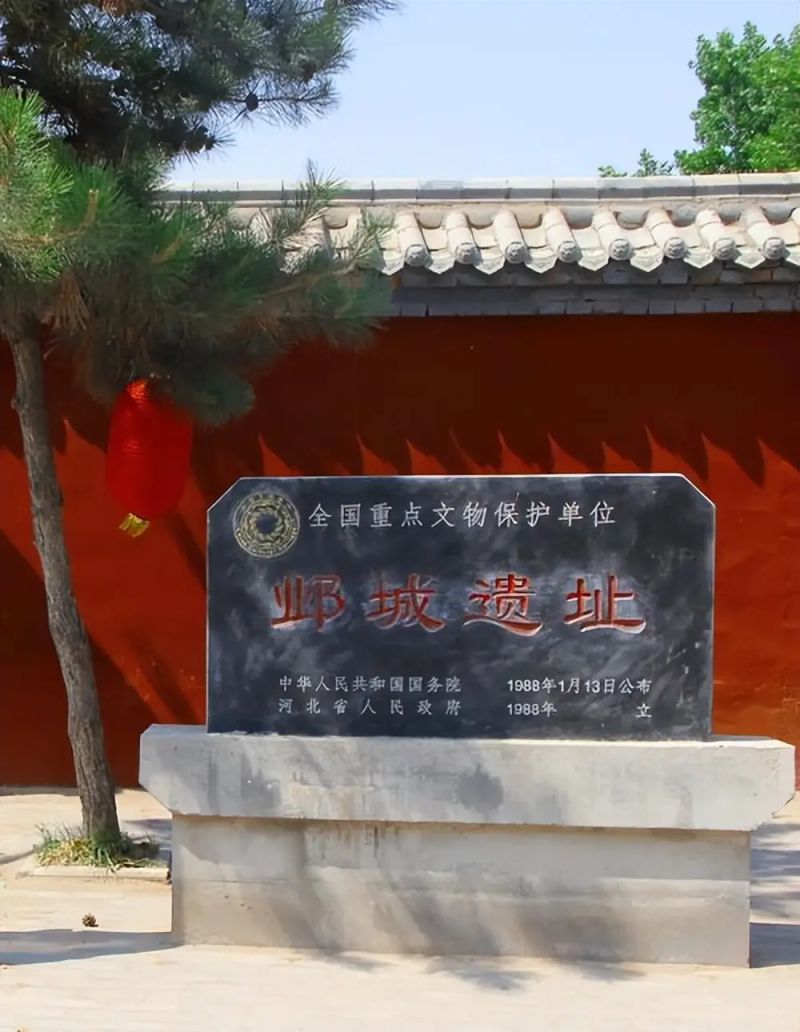
Professor zhang, an archaeologist, stated: "the earthing of the copper sparrowtop site provides valuable information for our study of construction techniques and cultural life during the trinational period. Through these bricks, we can put together a piece of society."
The site of the city of qidari north is another important antiquities. It was once the palace of kitachi, and it was a great place. Archaeological excavations have shown that the palace buildings of the north qi era are quite mature, organized and technologically advanced。
The temple of the qing dynasty, the only ancient building in the city, was built in bei wei, and is still in existence. This tower is an important physical resource for the study of buddhist buildings in the north and a witness to the history of the city。
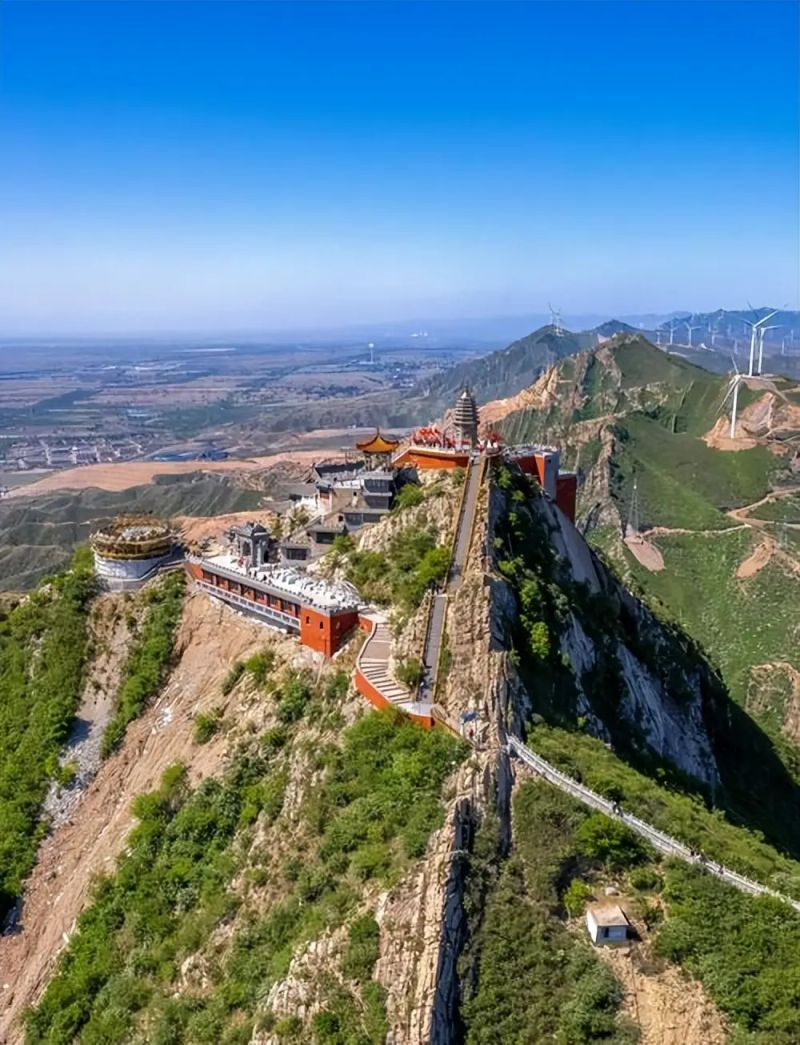
The city buried a large number of monuments and building foundations from the six-provincial period. New discoveries may occur each time agricultural land is sorted or infrastructure is built. These scattered historical fragments together form the cultural layer of the city。
According to a cultural researcher, dr. Lee, "the value of the city lies not only in its political status as an ancient city, but also in its role as a melting pot of culture. During the period of wei jinh-north, the peoples of the north merged with the chinese culture, creating a unique artistic style and philosophies."
In addition to material memory, the city has left behind a rich cultural heritage. The construction of the anan literature, the thought of the genre, the buddhist arts, etc. Are all well settled in the city. There is a great deal of documentation about the city in ancient places such as the three nations, new words。