After suppressing the rebellion, and fearing that the city would once again become a rebel base as a front, yang ordered the entire population of the city to move to anyang, completely destroying the city and its towns, and the last fire to burn down the city, which had been a city for more than 1,200 years, thus “disappeared” from north china。
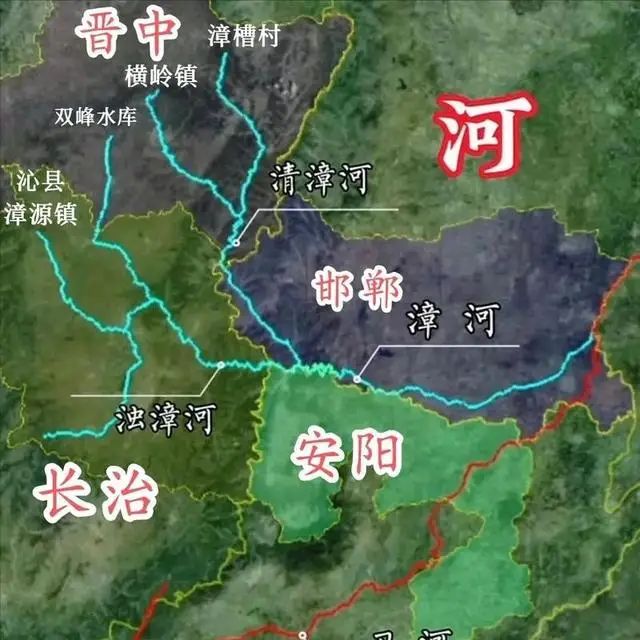
After the destruction of the city, its geographical location was changed by nature and the river was diverted, dividing the site of the city between two banks。
Historically, the riverway has remained unchanged in the hills, but since the town of fong loong in the east and the town of wuhua in the southeast, it has been extensively rerouted along the plains。
In the early hours of the dawn of ming, the river has been rerouted many times to form the channel of today's river, which not only divides it into two parts, but also as a division between hebei and henan provinces. Today's tourists are standing on the river bridge, one foot in the north and one foot in the south of the river, but it is hard to imagine that ancient cities and anyang were part of the same cultural zone。
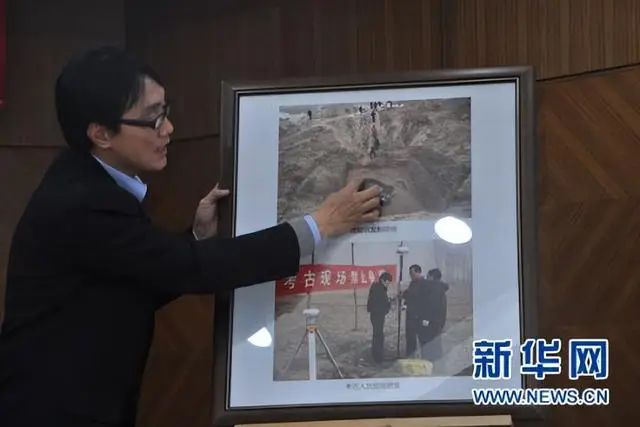
Although the city was destroyed, it was not completely forgotten. In 1983, the institute of archaeology of the chinese academy of social sciences, together with the institute of antiquities of hebei province, formed an archaeological team to begin systematic archaeological exploration and excavation of the site。
After more than 40 years of tireless efforts, the true face of the site was gradually revealed, and archaeologists discovered the inner circle wall on both sides of the axis of the city, further clarifying the main structures on the axis of the city and a number of new large palace buildings in the northern part of the city。
In 2023 and 2024, the archaeological team also discovered the western gate of the miyagi city, most likely the main “skiki gate” site on the western side of the miyagi city in the period of east wei qi era, which was followed by another site that was found to be very complete。
Archaeology
Today, modern technology is helping to regenerate this millennium-old machine. In september 2025, the museum of tung-cheng completed a second display of rags, which expanded from 2,800 square metres to 5,200 square metres, fully reconstructed the interior gallery, and the upgraded museum introduced digital displays of top mechanical photo masks, mid-axis digital evolutions, interactive slides, etc。
In the archaeological museum of the city of tuen, a space called " axis in the heavens and the earth " , has been opened, and tourists can travel through time with vr glasses into the ancient city 2,000 years ago, roaming the ancient battlefields of the virtual world, exploring the scenes of urban construction and even viewing the whole city on the clouds。
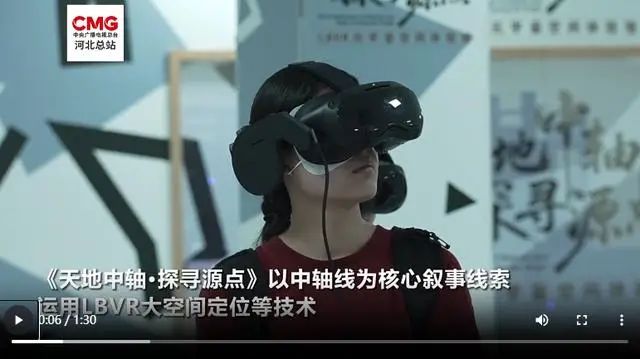
Photo from hebei tv
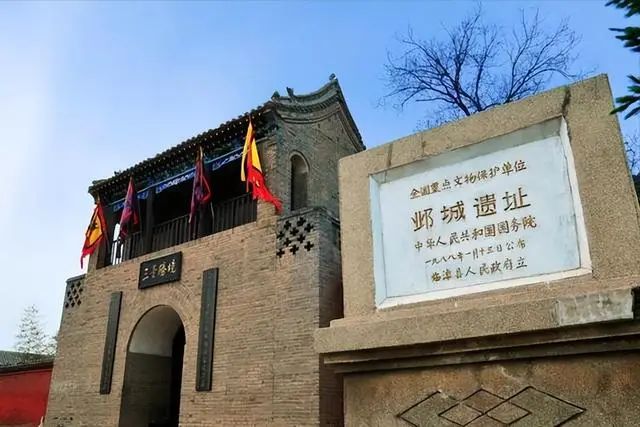
In addition, in december 2022, the sun city site was included in the fourth list of national archaeological site parks, a planned site park of approximately 30 square kilometres, with the four main exhibition areas, namely, the display area of the nam city palace, the display area of the chu minh gate, and the religious protocol area of nam city, at its core, providing an important venue for people to approach archaeological sites and to learn about the historical culture of the city。
In addition, the prefecture of ping has developed the historical culture of the city and has developed more than 60 deep-seated and geographically specific creative products, such as copper zhuang, zhuang xiaohua and three china dishes, to give the rejuvenation of the relics。
Today, the world is being greeted with a brand-new face, and from 12 to 14 september 2025, as one of the hosting sites, the eighth congress of the city of ping was held, a 2,000-year-old city that is bringing new life together through the written brigade。
The rise and fall of the city has left us with a profound revelation that a great city can disappear as a result of political decision-making and natural change, but that cultural memory can “traverse through time” and regenerate after a millennium。
The concept of urban planning, which has evolved from the city of xiang, and in particular the medium axis symmetrical layout, has affected not only the capital of china in its future generations, but also the rest of east asia。
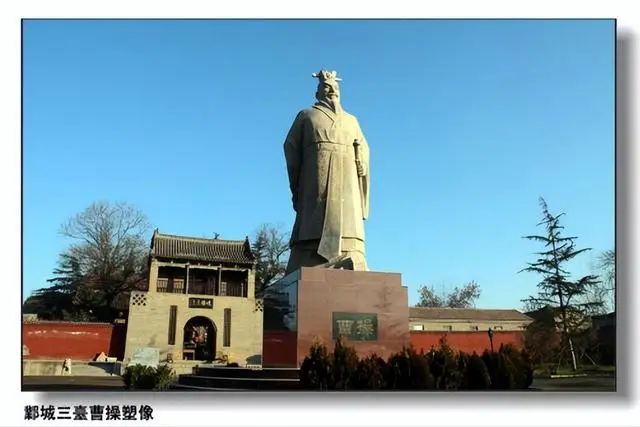
There's only a few prisons left in the city of xian and luoyang. Such a change in the landscape of earth sites and towns cannot but be a reminder of the relentless and timeless forces of history。
Perhaps that is the meaning of archaeology — not just for the sake of historical truth, but also for the purpose of connecting the past with the present, so that we can understand the trajectory of the development of civilization and thus better face the future, and finally let us remember this ancient city — the city of luang
References: people's network