How do you play with stocks? What kind of introductory knowledge you need to play with stocks? I don't think many newcomers know。
How's the stock playing
1. Accounts holding equities:
If we're going to play stock, we're going to have an account, or we're not going to make a deal, we can go to your local stock exchange and, of course, open an account online。
2. Know how stocks are traded:
Now that the account's in place, it's time to look at how it's going to be traded. This stock thing, unlike the normal stuff, you can't buy it today, you can sell it right away, and you have to wait until tomorrow。
3. Arrange for appropriate funding:
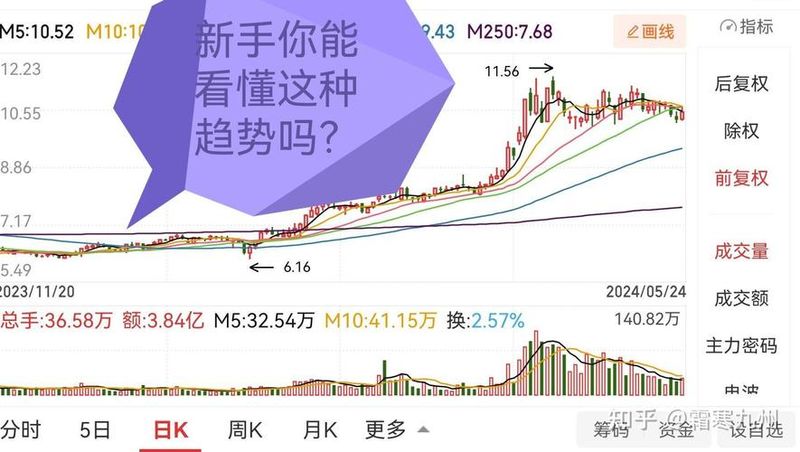
With a trading account, and knowing the rules of the transaction, the following is the preparation of the money, so don't rush into the transaction, study it, sell it blindly。
4. Allocation of time for viewing:
Well, next thing you know, it's important to study stock, why the price goes up because there's a lot of people buying it, when it's supposed to be sold。
5 indicators for learning equity:
In addition to looking at time maps, we have to look at a lot of indicators, and starters' friends have to look at them, like the k-line, or the mcd and the kdj, which are very suitable for starters。
6. The mind of trading:
After all this research, a suitable opportunity was found, the stock company was very good, even the product was familiar, and it was very promising, so we waited patiently for the opportunity, and we didn't want to get scared。
7. Slow profit:
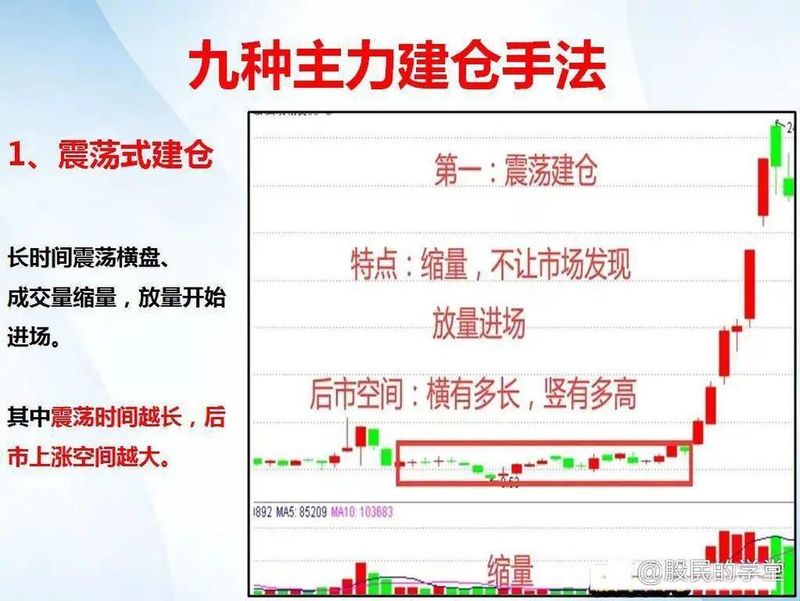
Appropriate financing, self-functioning strategies, such as focusing on the development potential of companies, making long lines, or looking at indicators, making short lines, to make slow profits, will take a long time。
Five key elements of the stock game
Element 1 for playing stocks: stop losses
Stopping losses are in fact the cornerstone, and 97 per cent of the market losses are due to failure to stop them. To give the simplest example, how many people are still at the peak of 6,000 points in 2008. It is common to realize that stock-market booms and drops are common and that the increase will naturally begin to decline, that risks will not stop in time, and that the result will be a long-term hedge of funds. No one can always look at this market, and it's best to lose it in time。
Equation ii: going on
Not easily. Why do you have to follow the trend that on the way up, there's only one top point, assuming a hundred deals, then only a loss will occur when you buy at the top, and any other buy will have a chance to make money? What does that mean? On the other hand, it's the same when it falls, and there's only one bottom, which means that unless you buy it at the bottom, there's a loss. There is no better or worse in comparison。
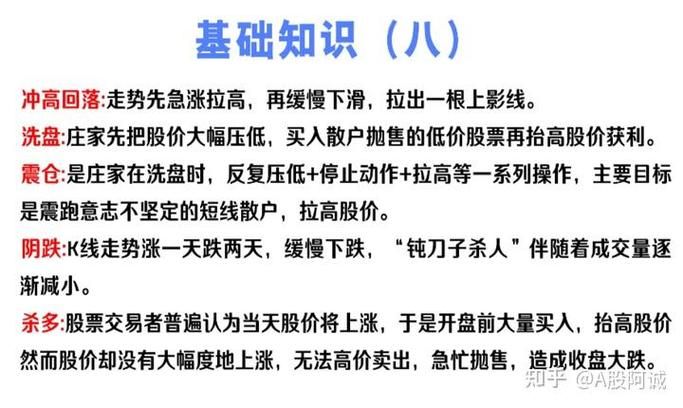
The third element of playing with stocks: learning to watch
Markets are not available every day, and the increase is naturally going down, avoiding some major declines. One might ask how to avoid it, and many things have to be adapted to the market, and there is no absolute thing in the stock market。
The fourth element of playing with stocks: mentality
This is the most important and the most difficult. The method of selection of shares and the method of operation are not understood, and all can be learned by the effort, but only by the mindset, which requires time and constant awareness on its own。
Equivalent five: enforcement
Many of the shareholders are too desperate to earn money, to control their hands, resulting in huge losses and later regret. This is most common in the stock market, all due to inadequate enforcement。