I. The biological significance of conditional reflection
Enhancing environmental resilience 1.
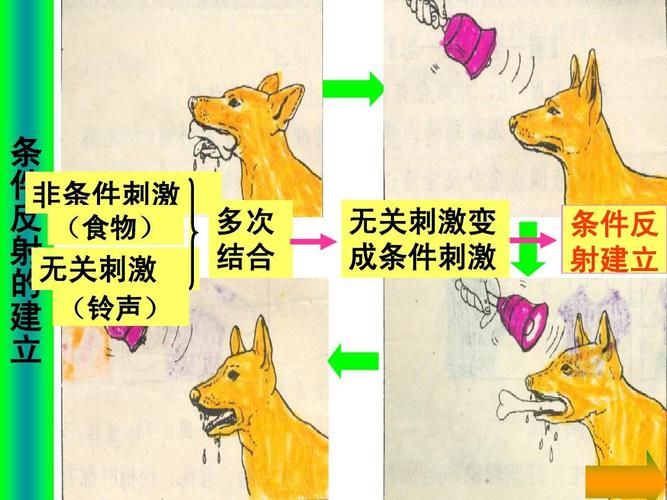
Conditional reflection occurs when organisms repeatedly experience a link between specific irritation and outcome. Animals, for example, hear the predator's voice and flee immediately, and humans smell the scent quickly. This rapid response model saves brain cognitive resources, enabling organisms to prioritize critical information in complex environments and avoid potential hazards。
Optimizing energy consumption 2.

The reflection of conditions reduces the cost of repeating the same skills. When skilled in mobility, such as cycling, swimming and so forth, there is no need to deliberately control limbs, and this automation enables organisms to allocate energy to more urgent tasks and to improve overall survival efficiency。
Ii. Values of human behaviour and society
Learning and education building blocks 1.
Conditional reflection is the basic mechanism for cognitive development. Children establish behavioural norms through “test-feed” (e. G. Compliance with traffic signals) and students develop intellectual memory through repeated exercises. The use of enhanced (rewards) or negative (avoiding penalties) in education can effectively shape society's adaptive behaviour。
Psychological intervention and treatment application 2.
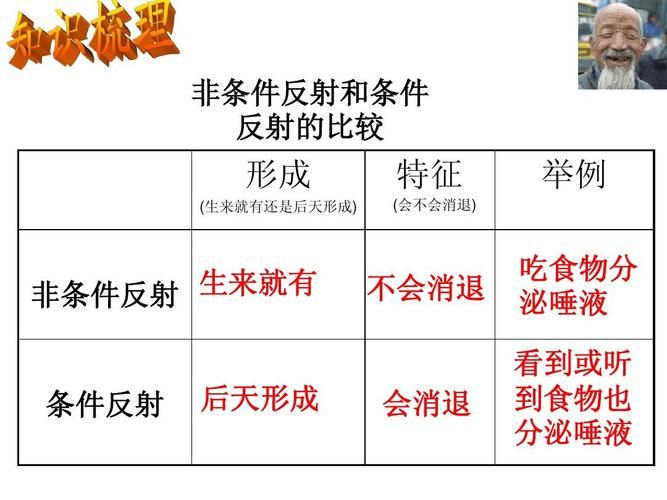
In the clinical field, the principle of condition reflection is used to treat problems such as fear, addiction, etc. For example, through systematic de-sensitization therapy, the over-reaction of patients to specific irritation is gradually eliminated; alternative reflections are used to establish healthy behaviour patterns (e. G., using sport as an alternative to smoking)。
Iii. Research and technology
Window 1.
Pavlov's classic experiment reveals the plasticity of the brain. Modern research has deepened understanding of the processes of memory formation, emotional regulation and so forth by observing neurotransmittance changes in the reflection of conditions, and mode of brain activation。
Artificial intelligence simulation object 2.
Intensive learning algorithms in machine learning are essentially mathematical modelling of conditions reflectors. The universal applicability of bioreflective principles is confirmed by the self-driving system through “stimulation-result” training to identify road conditions and by the optimization of decision-making by intelligent bodies in virtual settings through incentive and disincentive mechanisms。
Wide-ranging thinking: conditional reflection is also limited. Excessive reliance on automated responses can lead to rigid behaviour (e. G. Stress in examinations) or to malicious exploitation (e. G. Addiction design). Understanding its rationale will not only help us to learn efficiently, but will also help us to achieve more autonomous behaviour control through proactive intervention to break the bad reflector chain。