Diagnosis: conditional reflection is an acquired reflection, a behavioural response to specific irritation through learning and experience. The following may help to understand the detailed characteristics of the reflection of conditions:
1. Process of formation: conditional reflexes are formed on the basis of unconditional reflexes through a series of multiple combinations of conditional and unconditional stimulus. For example, in a classic experiment in pavlov, dogs excreted saliva after hearing the bell (conditional irritation), as food (unconditional irritation) appeared several times at the same time。
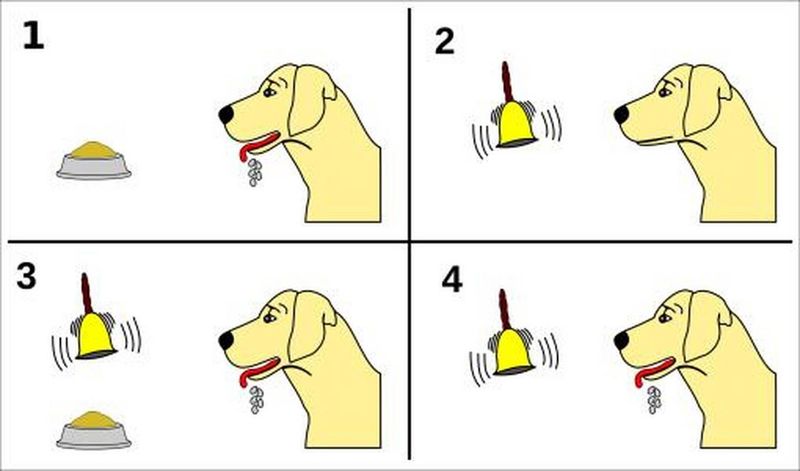
2. Acquiring: unlike the inherent unconditional reflection, conditions are gradually acquired through individual learning and experience. This means that the generation and intensity of the reflection of conditions are closely linked to past experience and training processes。
3. Variableity: the reflection of conditions has a degree of plasticity and adaptability, which can be modified or eliminated through re-training. For example, if conditionalities are no longer accompanied by unconditional incentives, the reflection of conditions may diminish or even disappear, a process known as “recession”。
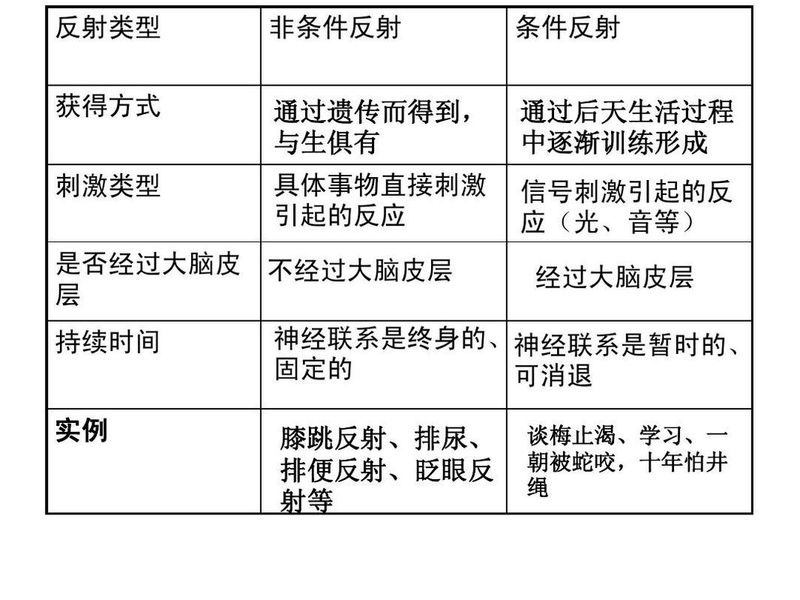
4. Specificity: because the reflection of conditions is formed by a link between a particular stimulus and a reaction, it is usually a reaction in a particular situation and cannot easily be generalized to other unrelated environments or incentives。
Neural mechanisms: conditional reflection involves activity in the cortex of the brain and is one of the manifestations of advanced neuroactivity. Its formation is closely linked to the mechanisms of connection in the central nervous system。
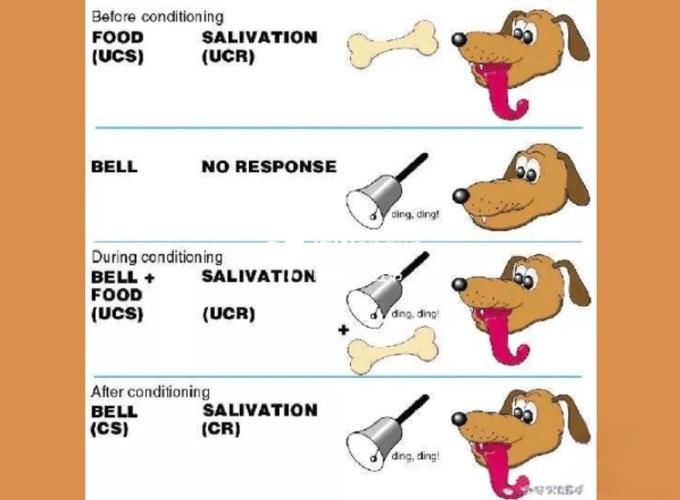
Conditional reflection is an important mechanism for humans and animals to adapt to environmental change. By understanding the reflection of conditions, learning, behaviour regulation and its physical basis are better understood。