Definitions and rationale
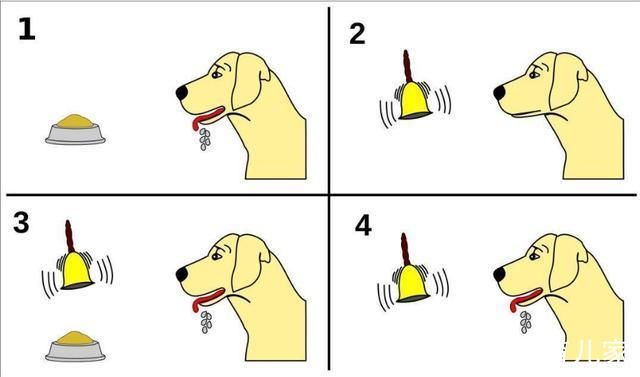
The classic reflection of conditions was proposed by the russian physiologist pavlov and was initially revealed through the “dog and bell” experiment. A similar reaction can be triggered by the emergence of a combination of moderate irritation (e. G. Sound, scene) and a direct irritation (e. G. Pain, reward) that occurs several times. 2. Psychological connection is the central mechanism through which the brain connects two types of stimulation to long-term memory through the plasticity of neurons synapses. 3.
Ii. Key stages in the formation process
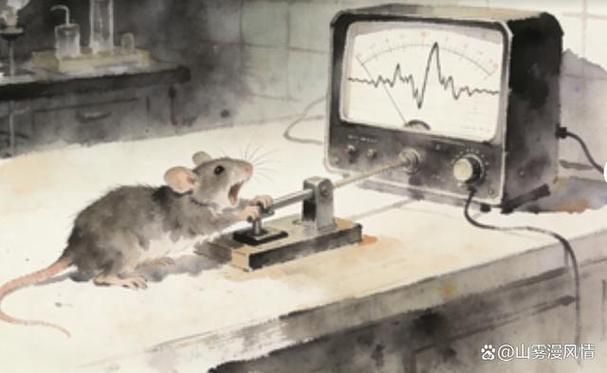
(c) establishment phase: the need for neutral stimulus coincides with unconditional incentives, such as the risk that test anxious persons may react to stress in the examination environment as a result of multiple examination failures. 1. Panoramic phase: similar stimulus can trigger the same reaction, such as stress on the examination environment and anxiety about any competitive scene. 2. Depression phase: if the neutral stimulus is no longer accompanied by unconditional stimulus, the response will diminish, but may recur as a result of occasional association. 3.
Common areas of application
2. Advertising: 3.
Iv. Distinction from reflection of physiological conditions
Type of response: psychological reflection involves emotional, cognitive (e. G., fear) and physical reflection is more manifested in physical (e. G., saliva). 1. Speed of formation: psycho-reflection may be formed by a single strong stimulus (e. G. A traumatic event), and physical reflection usually requires multiple repetitions. 2. Declining difficulty: psychoreflection is more difficult because it involves deep memory and requires long-term intervention. 3.
V. Notes
Avoiding negative generalization: a long-term high-pressure environment may lead to an erroneous connection between irrelevant and stress, requiring a timely adjustment of the environment or mindset. 1. Individual differences: different people are sensitive to the same stimulus, for example, introverts are more likely to reflect anxiety on social scenes. 2. Active intervention: health links can be re-established through cognitive behaviour therapy (cbt) if there is an adverse psychological reaction. 3.
The reflection of conditions can be both a fundamental mechanism for human adaptation to the environment and a source of psychological problems. Understanding its rationale helps to identify automated emotional responses and, through scientific methods, strengthens positive linkages or revises negative patterns, ultimately enhancing psychological resilience and behavioural autonomy。