I'm a reporter for the international herald
According to the latest data released by the world health organization on 4 august, guinea, sierra leone, liberia and four west african countries in nigeria with the latest cases have seen 887 deaths and 1603 infections as a result of the ebola epidemic. More than 61 people died as a result of the virus in two days, from 31 july to 1 august. The latest data seem to indicate that the epidemic is out of control。
In retrospect, on 26 may, when journalists of the international herald tribune in west africa received reports of the first confirmed case of ebola haemorrhagic fever in sierra leone, they did not think that it would cause a global panic two months later; until that time, the ebola virus had been raging in guinea for about three months, and the number of people who had died of infection at that time, though hundreds, had not attracted sufficient attention from the outside world。
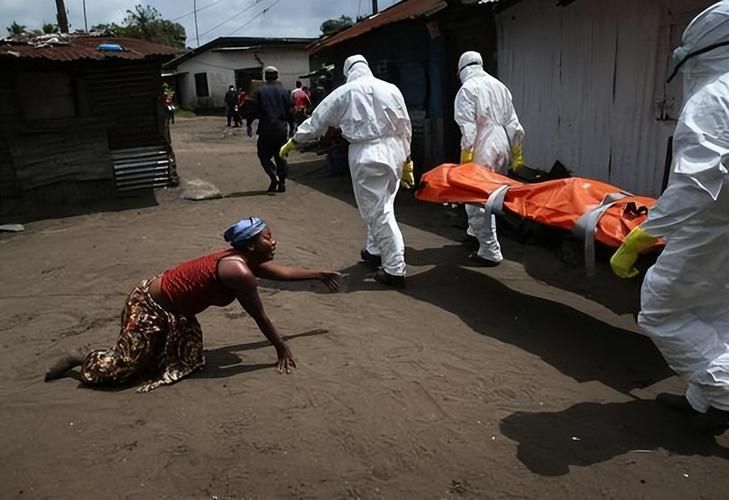
Is it really possible that this virus, which has been in africa since the 1970s, could trigger the next “century plague”
Why west africa
In the outbreak of the epidemic in west africa, more than 230 people have now died in sierra leone as a result of infection with the ebola virus, making it a truly “hard-hit area”. On 30 july, a public health emergency was declared in sierra leone。
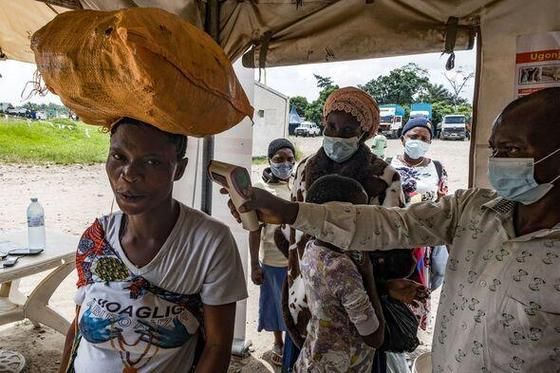
In late april and early may this year, journalists visited sierra leone before the ebola outbreak infiltrated the country. The country's harsh living conditions, poor infrastructure, extremely poor public health conditions and certain traditional practices in the area of funerals have made the spread of the ebola epidemic “easy”。
The global well-known travel guide, lone planet, in africa, describes the capital of sierra leone, freetown, as a city that “has abandoned garbage disposal”. In these difficult and unimaginable circumstances, basic public health is simply not guaranteed, and the practice of mortems and touch bodies during funerals in backward west africa has led to an outbreak of ebola。
In 1976, a patient in zaire (now the democratic republic of the congo) named malabo became the first confirmed case of ebola haemorrhagic fever in the world. His family took his body home, all relatives involved in the “treatment” of the body, without any protective equipment, and the ebola virus was highly contagious after the outbreak and death of the case, resulting in the infection of 21 relatives and friends who participated in the funeral and the death of 18 people。
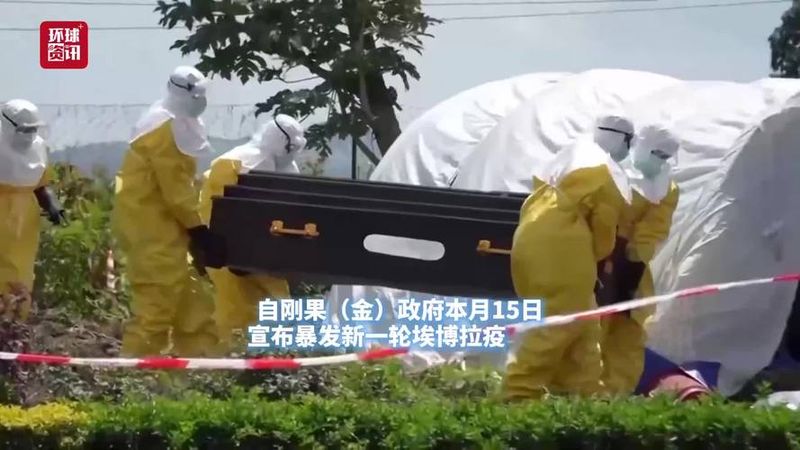
In early july, the world health organization stated that the spread of the ebola epidemic was linked to deep-rooted traditional practices in parts of west africa, in addition to the large-scale movement of people along the border, which contributed significantly to the rapid spread of the ebola epidemic in the early stages of the epidemic. The vast majority of countries in west africa belong to the economic community of west african states (ecowas), where the movement of citizens of member states is easy and border areas are somewhat barrier-free。
As a result of the wounds of the civil war, the widespread distrust of the government among sierra leoneans, combined with the low level of education, insufficient scientific literacy and the prevalence of primitive religions such as witchcraft, there have been several instances of patients being forcibly taken home by their families (for herbal or witchcraft treatment) in the context of the ebola epidemic in sierra leone, which has not only delayed treatment but also increased the infection rate. This was not significantly reduced until the president of the country, koroma, came forward to declare that such acts must be severely punished and the government stepped up its awareness-raising efforts。
But accidents continue to occur. At the end of july, the chinese medical team received a patient who was diagnosed as ebola, who was taken by his family quietly after taking blood and found by the ministry of health two or three days later; the sierra leone-china friendship hospital also received a confirmed case of ebola, who had escaped from the ebola control centre in the eastern province and had concealed it from the friendly hospital, not only because of his tragic death, but also because of the isolation。