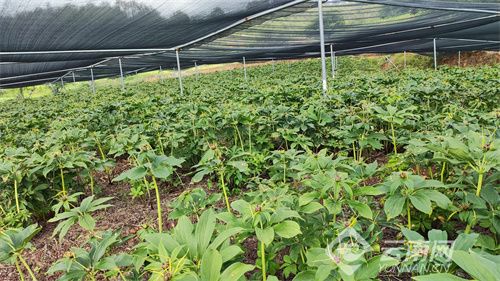
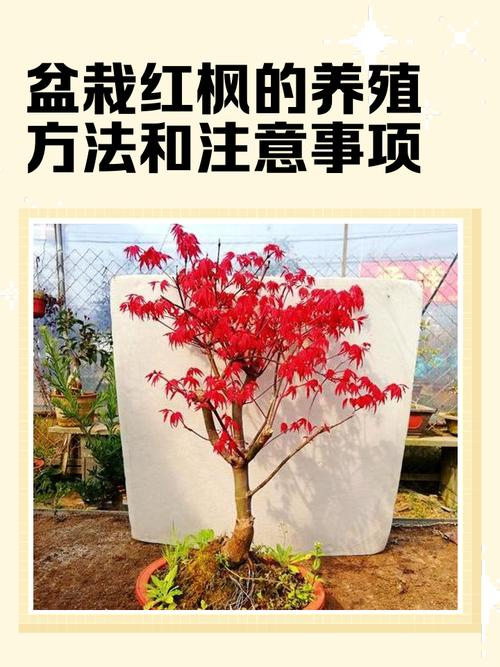
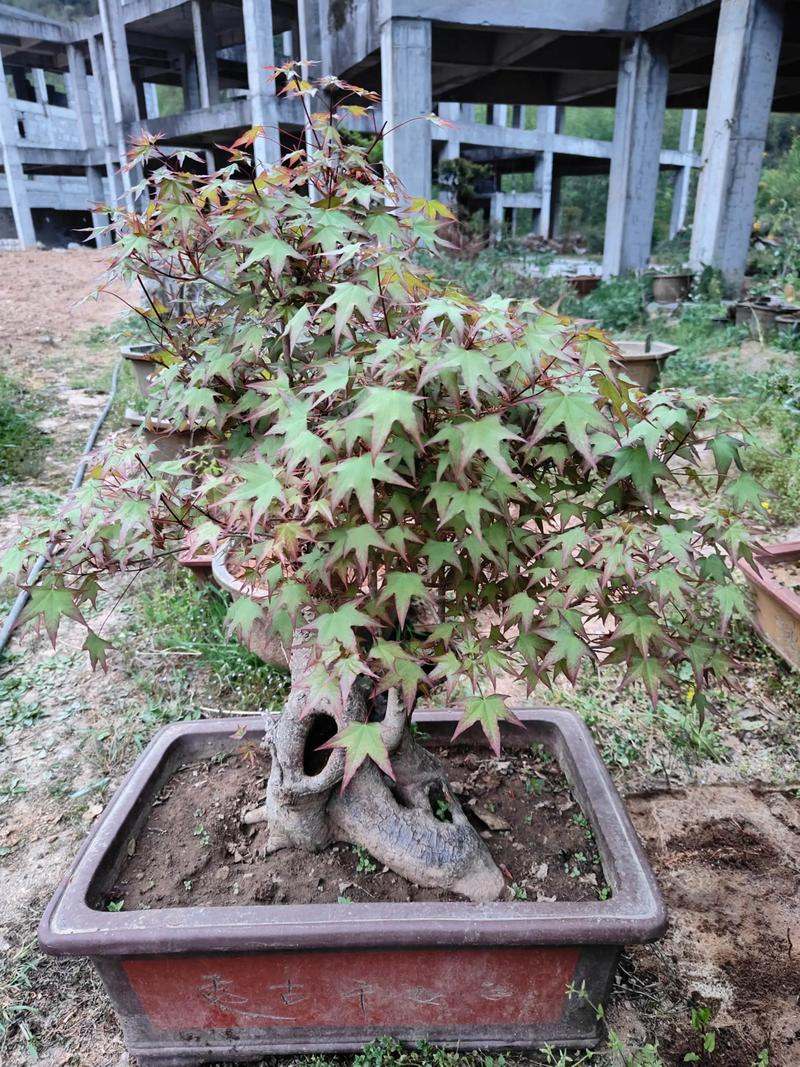
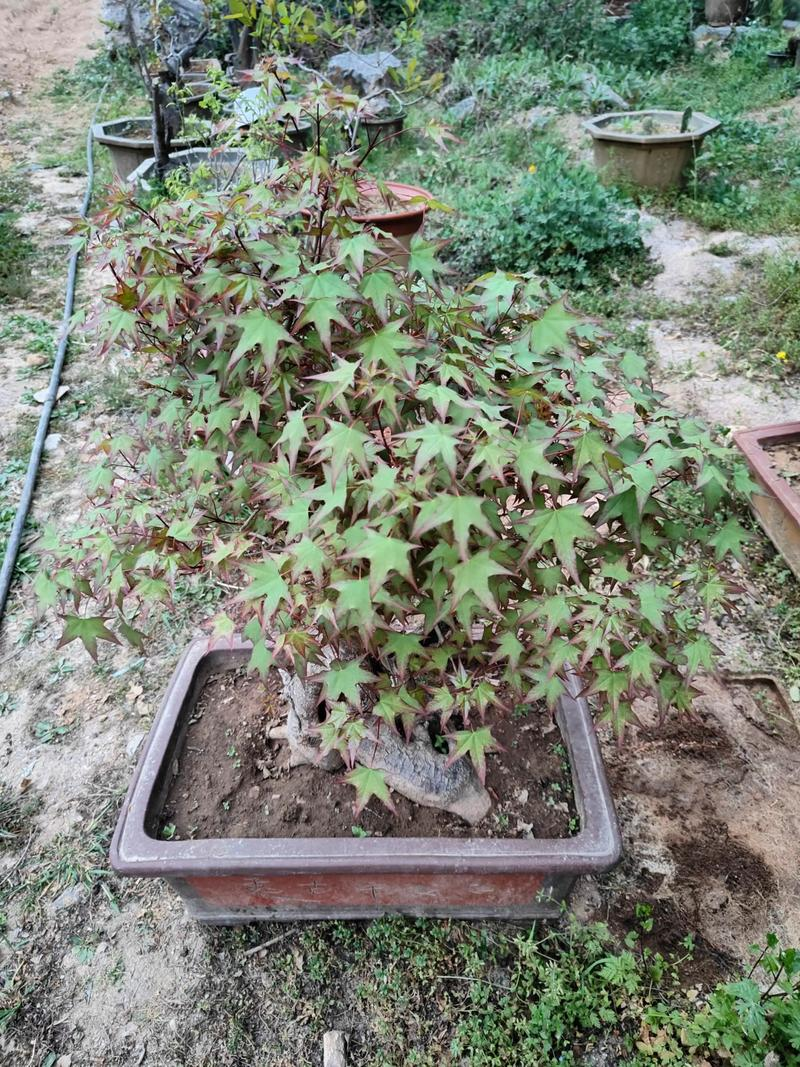
The amphibian is a small tree, with beautiful tree shapes, beautiful leaves, young leaves red, fall leaves red or yellow, thick tree crowns, and extremely valuable landscape tree. It is very easy to manage amphibian glitters, vulcanism, cold resistance, wind resistance, drought resistance, adaptability and infestation. Maple leaves produce volatile microbicides, absorb smoke and harmful gases, clean the air and apply to green tree species, green tree species around them, eco-forestry, etc. To be precise, it is the main force in our green army, which is grown in the north-east, north-east, and the yangtze basin provinces. Based on many years of practical experience, the authors draw up elements of the techniques of pentagram seedling and afforestation, with a view to informing the reproductive use of the tree。
I. Basic properties of pentagrams
The palms of the centipede are split five times, the base is heart-shaped, the pelvis-like triangle, the full edge. A variety of flowers, yellow and green, and many of them into the top umbrella. Nucleus flats or micro-bulbs, with wings stretching into blunt horns, twice the length of the core. The flowers are due in april and the fruit matures from september to october. The cold, cold and wet climate of amphibians, which is less demanding for soil, can grow on neutral, acidic and limey soil, but best in deep, fertile and wet ground and on yellow clay. They are well developed, deep-rooted and resistant to wind。
Ii. Employment
Seed harvesting. The parent tree should be selected for a plant of 10 years old or older, of good quality and robust growth. It can be collected in october, when it matures from green to brown. The fruit which is harvested shall be exposed to the sun for three to four days, and shall be removed and stored in a dry, ventilated room, with wings。
Seed treatment。
1 warm water soaks. One day before seeding, 50-60°c water is poured into the container, then the seed is mixed with the seed, after which the water is more than 10 cm above the seed. It's natural to soak and soak for 24 hours。
Two layers of tremors. Seeds are sterilized before sprouts, and 30 minutes after immersion with 0. 5 per cent potassium permanganate solution. One week before planting, the seeds are mixed with wet sand (in groups of hands and loose hands as appropriate) at a rate of 1:3 and fed into a container (large-basket) with a wet sand layer laid on the bottom of the basin, 10 cm from the surface of the basin where the seeds and the wet sand mixture are covered by a layer of sand, which is sprung with plastic sheeting, and placed in a warm-to-sun chamber (20-30°c)。
3. Selection of breeding grounds. The breeding grounds must have a backwind to the sun, a flat terrain and well drained water. The soil is not so demanding on the ground as to be able to grow on neutral, micro-acid sandy and limey soils, but the soil is still thick and fertile。
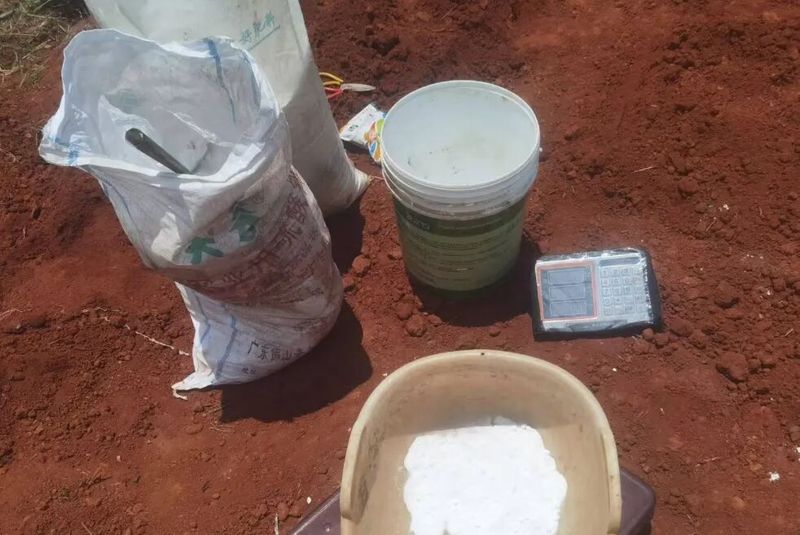
4. Land as a whole. The nursery lands are ploughed in the spring and tumbled in the autumn. The ground requires ground levelling, ground fragmentation, spring dredges, spring tillage at depths of 15 to 20 cm; 25 to 30 cm deep in autumn, with the application of base-based fertilizers, including corroded organic, fast-acting nitrogen and phosphorous fertilizer。
Cultivation. The planting time is usually between late march and mid-april, with 15 to 20 kg/acre seeding, which can be increased, as appropriate, depending on nursery conditions and seed quality. It is transmitted along a bed wide ditch at a distance of 30 centimetres, with two to three centimetres thick behind it, which is slightly suppressed and then covered with plastic film or grass curtains to protect the plume。
6. Shrimp management. After two weeks of seeding, plastic membranes or straw curtains are removed in the evening, pending a 70 per cent seeding rate. The seedlings produce the soil for three weeks or so, in order to make a difference and to make a difference. In late may, seedlings were established, ranging between 7 and 10 centimetres. From may to august, the number of waterings increased to 6 to 8. The period from june to july was a booming period, combining the application of nitrogen fertilizers with water two to three times to promote tree growth. Growth declined in september to reduce the number of water attacks, and phosphorus and potassium fertilizer contributed to the woody fertilization of the trees. The second year of management was the same as the first year, and the third year was the spring year in which 40 centimetres of seedlings were dryed up and forested when the terrain was 0. 5 centimetres or more。
Nutrient cup cultivation. Early in the spring of the following year, in mid-march, seedlings were transplanted into nutritional cups for management. Select 13 cm x 16 cm nutritional cups, which should be sifted with local corroded soil or organic fertilizer. It is 80 cm wide, 30 cm wide and 20 cm high. On the bottom of the cup is a small amount of soil, 8 to 10 centimetres are kept in a single year of bare roots, cut off the long root system, vertically placed in the cup, half of the soil is filled with seedlings, the soil is refilled with hand, the soil is refilled with soil, and the tree in the cup is kept in the middle. Upon completion of the planting, the cups are arranged in close order, and the soil is filled on both sides in order to prevent the placement of the cups from causing the water to fall. Small amounts of iron sulphate or zinphos-methyl can be placed in order to prevent the occurrence of pests and diseases during the nursery season. When growing large-size trees, you can select 16 cm x 18 cm nutrition cups. When planted, water is distributed equally with nozzles, and later, depending on the growth of the tree, water, weeding, fertilization and management of the same tree。
Iii. Technical elements of afforestation
1. Land as a whole. Forest forests are generally pre-positioned in the first autumn and winter. The ground is covered by cave pits, with a specification of 40 cm x 40 cm x 30 cm, and in steep and marginal areas with a specification of 80 cm x 60 cm x 30 cm. Forested species are grown in the form of mixed “one needle, two large”, with the main tree species being oil pines, hedgehogs, spears, almonds, etc. Being planted in the form of mixed cross-sections or lumps. Plantation of plants at a distance of 2 m x 3 m density of 110 hectares/acre; shrub conversion works at a distance of 3 m x 3 m or 1. 5 m x 6. 0 m and a density of 75 units/acre. The whole cave requires a height of up and down, with an exterior line made more than 10 cm above the lavender, and a slight internal tip of the lavender, with a reverse slope, which serves to save water. In the cave, it is required to be fine-tuned, to remove the root of the grass and stones, to refill the topsoil, to maintain 30 cm of dust and to tighten the subsoil。
Cultivation. The pentagon root is more developed, has more roots, and is suitable for hibernation. The timing of planting is best before spring starts at the end of the autumn, preferably between february and march or late october and november, or between autumn and winter, or between indoor conservation or natural temperatures of more than 0°c, or between the coldest of december and january. It is possible to plant naked roots more than two years old; it is recommended to replant the seedlings after they have been born more than four years with a suitable cut-off and a transfer of earthballs, paying attention to the need to coat the embalmed preservative membrane with a cut-off, and to avoid as much as possible a break in the earth; the whole earthen ball of the container belt can be replanted throughout the year, if it is a new seedling that has just arrived in the fall and winter, the roots are relatively young, the rate of survival is low, and it is recommended to be replanted for another year。
3. Care management. The planting is followed by the painting of detoxants, anti-grassants, or rabbits, etc., to prevent the abuse of rabbits and goats. After planting, three years of continuous care. In the first year of care, in the second year of care, and in the third year of care, pine soil, weed removal, seedlings, seedlings, denning, refilling, pine soil is shallow and deep and does not harm the roots of the tree. Local villagers are hired and placed under care agreements, which may also be carried out by means of net-baning and the installation of protective signs。
4. Pest management. Mixed forest pests and pests are less common, but there is still a need to maintain a combination of biological and chemical control, to strengthen control and to improve the conservation of trees. Cuts and crowning measures are taken to remove the branches when the pests or pests occur. In the event of a decomposition, soil aerobics should be increased, with the roots around the gutter, with 50 per cent more than 800 times more ferocious powder and 70 per cent more than 1,500 times more humid powder from methyl-trawl; 75 per cent more than 600 times more humid powder from diknin and 50 per cent more than 1,000 times more phenophyll; and, in the case of a leachate, poldo or thoride, with an initial dose of 1 to 2 times. The main pests are moths, leechworms and oxen, which are treated with 500 times the cream of 40% oxidated fruit。