The mri is a relatively common visual inspection, which, like the b super, x-ray, and ct tests, can help to check some of the substance of the body's internal organs, and since mri does not contain radiation, most people tend to have a relative preference for mri when ct or x-ray checks are required, but they do not know that mri has certain advantages and disadvantages, but they need to know if they are suitable。
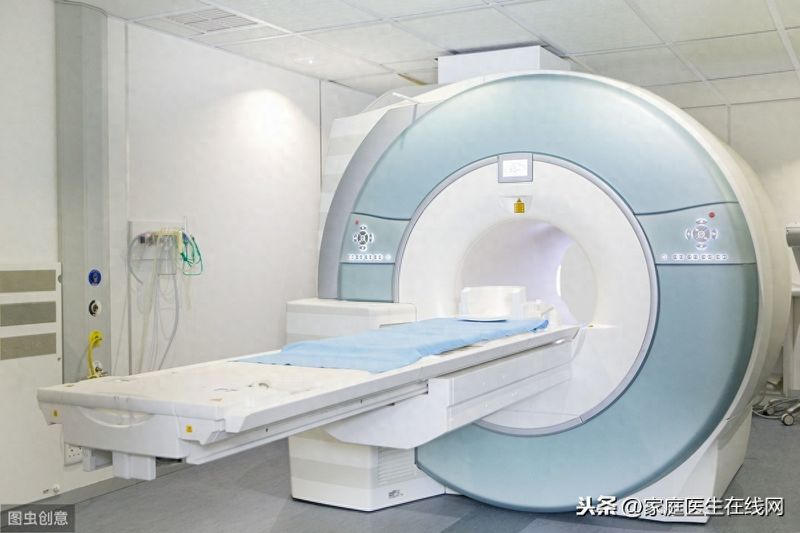
What are the advantages of mri
The mri is carried out mainly by electromagnetic waves, which do not cause radiation and do not harm to the body because of the amount of energy released by the electromagnetic waves relative to the normal mobile phones and television sets, so many people tend to favour the mri in normal times, which is also the advantage of mri. In addition, the mri is not exposed to bone effects at the time of the inspection, is more targeted and correct。
However, although mri is not radioactive and allows for more accurate inspections, it also suffers from a number of shortcomings。
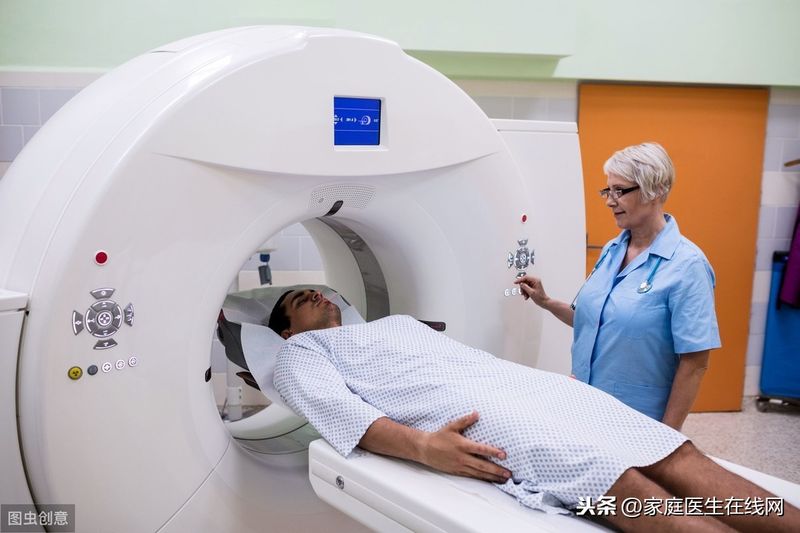
What's wrong with mri
Limitations
In general, not everyone can conduct an mri, like patients with a heart pacemaker or who are more afraid of small spaces, who are not able to conduct an mri and are prone to accidents in the process。
Ii. Higher prices
The price of mri is higher than that of x-line and ct, and it is difficult to make an advance appointment prior to the inspection, so it is difficult to choose those who are not economically good。
Iii. Length of inspections
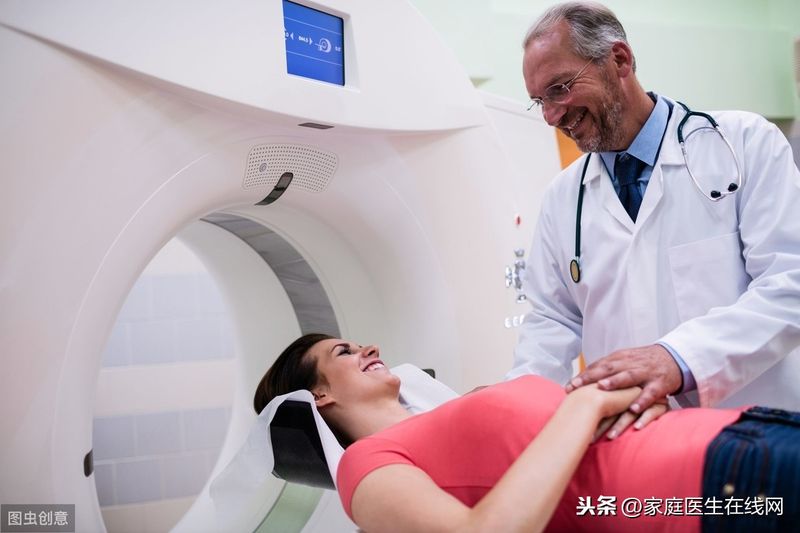
If the patient is in a state of emergency and conducting mri is not an ideal option, because an mri takes a relatively long time at the time of the examination, which takes about half an hour, and if mri is selected in a critical situation, it is easy to delay the situation, which requires a ct or x line to make a preliminary diagnosis。
Iv. Inadequate inspection
Although the images shown by the mri during the course of the examination are relatively clear and can be targeted, it is weaker for some calcified lung tests and acute haemorrhaging。
In general, while mri is a radiation-free examination and the results are more accurate at the time of the examination, patients need to know that mri is equally inadequate and that they are fit when they need to be examined in order for the body to undergo an mri examination and avoid selection errors leading to delays and more serious injuries。