


New vehicles are used in the manufacture and assembly of materials, such as glue, plastics, leather, etc., which often contain harmful substances such as formaldehyde, so that the new vehicles often smell differently. Long-term inhalation of formaldehyde not only affects the health of the driver, but can also cause various illnesses. So, the new car has to take formaldehyde。
How to effectively remove formaldehyde from the car is considered the most efficient way to remove formaldehyde from the car
Physical adsorption
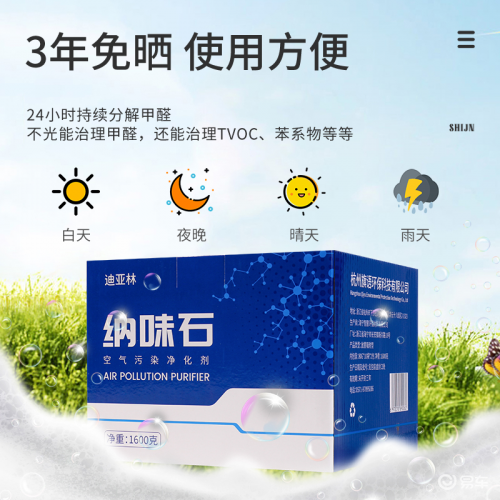
Active carbon adsorption: active carbon has a rich pore structure capable of adsorbing to a formaldehyde molecule in the air. The placement of an appropriate quantity of activated carbon packs in the car can effectively reduce the concentration of formaldehyde. The general active carbon needs regular tan exchange, with better composition of products such as nasal stones and palabite, and long-term decomposition of safety and efficiency。
New wind systems or ventilation: this is the most basic and effective method. When vehicles are parked, the windows are ventilated as much as possible to allow the air to flow fully and to accelerate the volatilization of harmful gases such as formaldehyde. In the course of the drive, the outer circulation mode is activated, fresh air is introduced and air pollution is discharged from the vehicle. If conditions permit, a new wind system may be installed, which will continue to deliver fresh and purified air into the vehicle and further enhance the effect of ventilation on formaldehyde。

Chemical decomposition
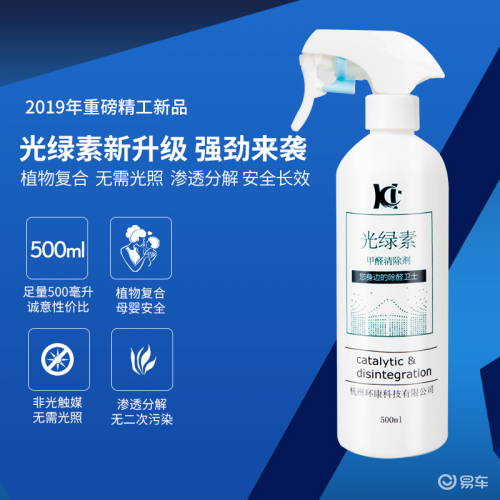
Dialinaldehyde spray: dialin is a component of plant extraction and does not require light to engage in direct decomposition of pollution sources, removal of formaldehyde from sources, mother and child level, safety assured! The formaldehyde rate is as high as 99. 1 per cent, a very good formaldehyde spray with a mature and stable product validated by 15 years of underground practice. They are evenly sprayed on the inside of the car's interior surfaces, such as seats, dashboards, roofs, and, in the light of ultraviolet light or visible light, light agents are able to decompose organic pollutants such as formaldehyde into carbon dioxide and water for the purpose of removing formaldehyde. The product leaves no trace and no secondary contamination。

Yedolphin dehyde: yedoxin converts formaldehyde into a harmless substance through chemical reactions to formaldehyde. In selecting formaldehyde removal agents, care is taken to ensure the safety and effectiveness of products and to avoid damage to the contents of vehicles from the use of poor quality products. At the time of use, according to the product instructions, yedophene is sprayed evenly in every corner of the car, pending its full reaction. If the demand is high, yedolphin has a higher price for a formaldehyde spray

Optical chlorophyll: fast mercuric and formaldehyde plants without ultraviolet light are available in new homes. User feedback showed that the concentration of formaldehyde decreased from 0. 35 to 0. 03 days after spraying, with significant results and no secondary contamination。
Iii. Other auxiliary methods
High temperature tan: the rate of volatilisation of formaldehyde is closely related to the temperature, the higher the temperature, the faster formaldehyde is volatilized. Subject to safety, the vehicles are parked in the sun, while windows or doors are opened to accelerate the volatility of formaldehyde. However, high-temperature tan may cause damage to some of the materials in the vehicle, thus controlling the tan periods and avoiding long periods of tan. When the sun is tanned and airy, formaldehyde is released from the vehicle。

Car-borne air cleaners: high-quality car-borne air cleaners are equipped with efficient filters capable of filtering and adsorbing pollutants such as formaldehyde, dust and aroma in the air. When selecting car-mounted air cleaners, care is taken of their cadr (clean air output ratio) values, and the higher the cadr value, the faster the purification efficiency. Placing vehicle-mounted air cleaners in the right position and on a continuous basis can effectively improve air quality in the vehicle。
Since harmful substances, such as formaldehyde, in the veneer of new cars pose a potential threat to human health, effective formaldehyde measures are particularly important. The combination of open windows, activated carbon adsorption, formaldehyde sprays and vehicle-borne air cleaners can significantly reduce the level of formaldehyde in cars and create a healthy and comfortable car environment for drivers. It is hoped that this paper will provide valuable reference and assistance for your formaldehyde work。



