Introduction of new technologies, from “hard” to “good”
Land sweep robots originated in the vacuum cleaners industry, and in 1996 elektra developed the world's first fully automated sweep robot, the trileaf, based on the original vacuum cleaners, followed by other manufacturers. At the beginning of 2000, after irobot introduced a three-part clean-up structure that addressed the clean-up problem, the ground-cleaning robots gained practical value and started formal commercialization, but were less efficient, mainly in terms of low levels of cleaning, repeated sweeps, leaks, frequent carding, etc., low levels of intelligence and poor consumer experience。
In 2015, with the release of a series of revolutionary intelligence products by the top players irobot and kobos, the ground sweep robot formally completed the transition from functional to intelligent, from the former basic cleaning function to efficient cleaning, high-quality cleaning, with route planning functions as a standard for the industry。
Over time, the products go through three stages: random cleaning, planning cleaning and navigational chart cleaning。
(a) random clean-up: basic shelter through ultrasound detection
Planning cleaning: gyro + accelerometer, i. E. Inertial navigation
Navigational construction pattern: slam technology, distinguished by sensor, can be classified as lds slam, vslam。
Navigational chart cleaning is largely dependent on positioning navigation and routing, with a much higher clearance coverage and efficiency than the previous technology, and the current positioning and map construction mainstream is slam technology。
Slam technology, broken down by sensor type, is divided into two categories, one based on lds slam based on a “laser range sensor” and the other based on vslam based on “machine vision”。
Lds slam uses the laser range method to obtain cm-scale precision and greater coverage, but is unable to monitor high-reflective objects (e. G. Landing glass, vases, etc.). Land-sweeping robots using this technology are well suited for larger spaces and relatively simple space cleans up。
Vslam, on the other hand, is a machine's visual navigation positioning system, which compares to the laser slam technology that allows direct access to direction and distance data. Vslam acquires greyscale or colour patterns, and for barrier points it is only possible to obtain direction and not directly measure distance. To calculate the distance of the point, the camera is required to move a position and observe it again, extrapolating it according to the triangle principle。
Vslam is less precise than lds slam, but its advantages lie in the richness of texture information, and vslam can identify differences in content in the same shape, which brings advantages in the classification of scenes, which is applied in a crowded and complex living environment。
For the products currently on the market, the two technologies are very different. Rock, rice, neato and pusanik sweep robots mainly use lds slam technology; dyson, lg, irobot mostly use vslam technology. The giant coves' product line covers two technologies: lds slam and vslam。
Ii. Domestic machine for cleaning at light speed people
Despite the late start of ground sweep robots in the country, the pace of development is not bad at all. According to monitoring data from china, in the early years of 2013, the sales and sales of sweep robots were only $570,000 and $840 million, respectively. By 2018, the annual sales of sweep robots in the country had reached 5. 77 million, with an annual sale of 86. 66 billion。
In 2013-2018, the annual compound growth rate of sales of ground sweep robots was 58. 45 per cent, and the annual compound growth rate of sales was 58. 66 per cent, increasing at a much higher rate than other household appliances。
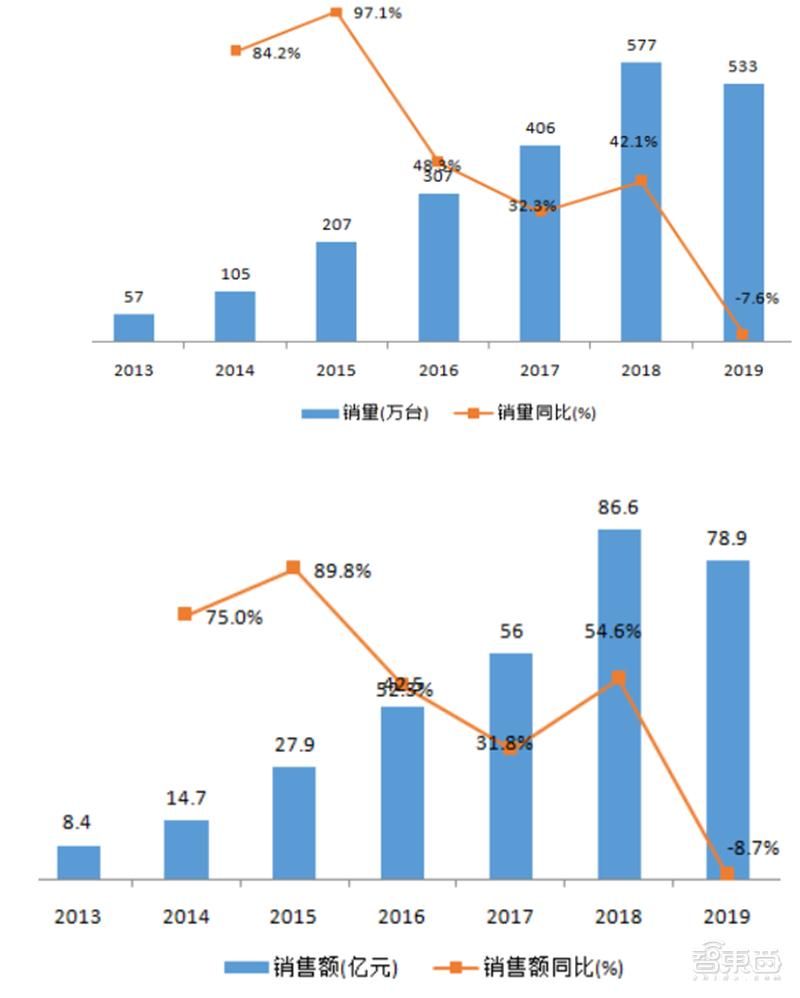
Sale of ground-cleaning robots in the domestic market, sales (billions, billions)
The rapid development of ground-cleaning robots in marketing channels is also highly related to the explosion of online electricians. By changing the share of off-line and off-market sales from ground-cleaning robots in 2013 to 2019, it can be seen that the vast majority of ground-cleaning robots are sold online。
Online sales accounted for 57 per cent in 2013. By 2019, that share had reached 88. 4 per cent, almost 90 per cent, and online retailing had become the absolute mainstream。
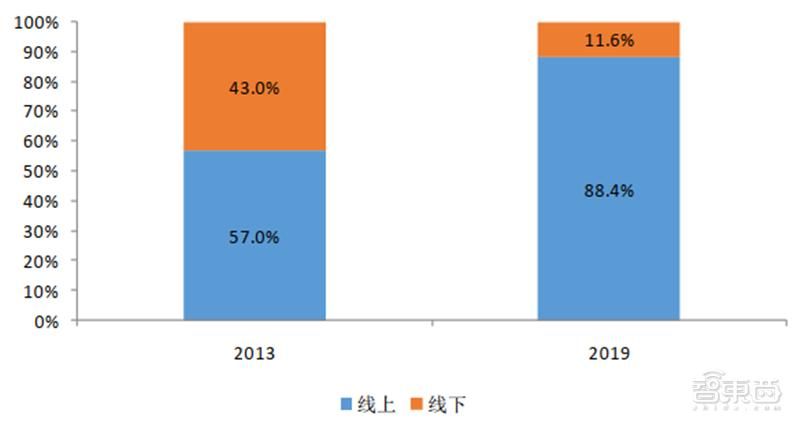
2013-2019 change in the share of off-line and off-line market sales for ground-cleaning robots
In the market pattern, there are currently a large number of product plates in the market, but they can be divided into four ladders:
First platoon: according to data from china's econ, the domestic market in 2019 accounted for 46. 9 per cent of retail sales on the corvos line and 71. 3 per cent of retail sales on the sub-line, which had occupied the country's first brand for many years in the clearing machine market。
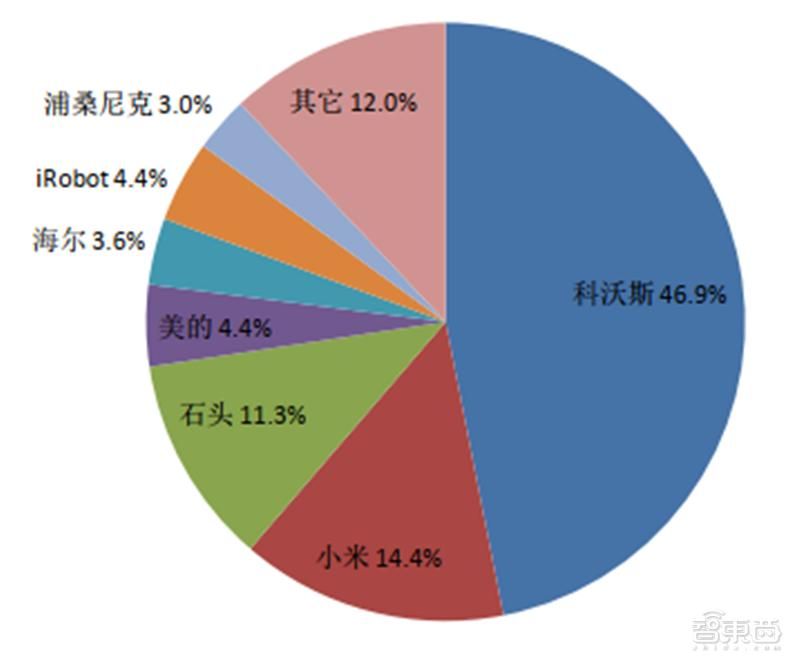
Share of online sales of ground sweep robots in 2019
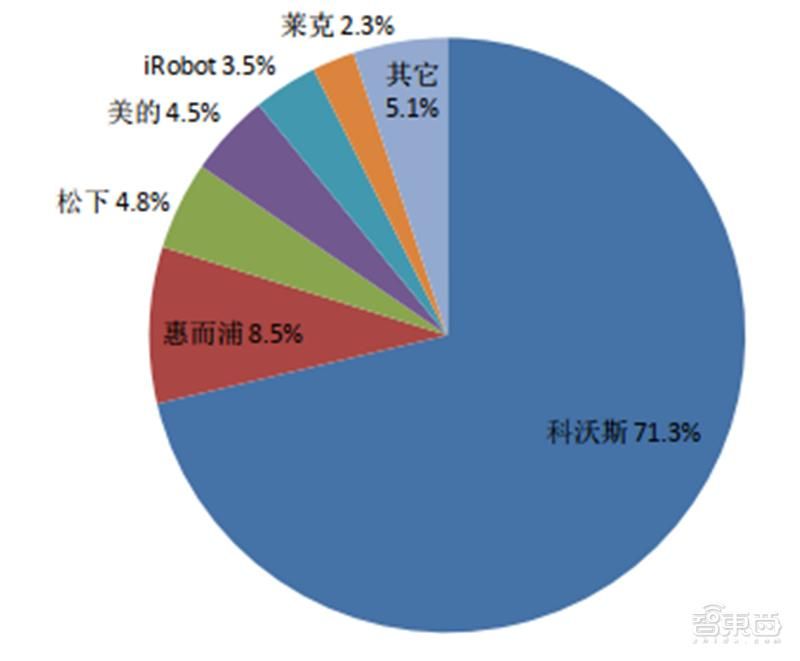
Share of sales of sub-robots in 2019
The second is mainly represented by internet branded millet and millet eco-chain enterprise stones, which together account for about 25 per cent of the domestic market. The land-sweeping robotic products of millet are mainly based on lds laser navigation technology, with the owner playing high value for money。
The third is made up mainly of national, internal and external robotics (represented by irobot, pulsanik, klinsman) and traditional domestic power producers (represented by haile, american, etc.)。
The fourth team, some small and medium-sized brands, in addition to the first three actors, have less independent r & d capacity, and less ability to have their own core technology and integrate into the overall industrial chain。
Although domestic sweep robots were initially windy, after 2019, the market for sweep robots came up with a wave of cooling, which was evident。
According to data from china, the market in 2019 was about 5. 33 million machines, a decline of 7. 6 per cent and sales of $7. 89 billion, or 8. 7 per cent, compared to 2018. Both sales volume and sales volume showed significant negative growth。
Three, warm up to 2020, good use is the way
In 2020, as a result of the new coronary epidemic, people generally spent longer hours in their homes, with greater emphasis on household hygiene and clean-up, and smart clean-up home electricity, as represented by ground-cleaning robots。
According to data from china-yecomb, sales on the ground sweeper line increased significantly by 24. 1 per cent in 2020. As a result of the epidemic, the submersible market declined by 28. 7 per cent and 20. 9 per cent in terms of volume and volume, respectively, but as nearly 90 per cent of the sales of ground sweepers were online, it had little impact on the bulk。
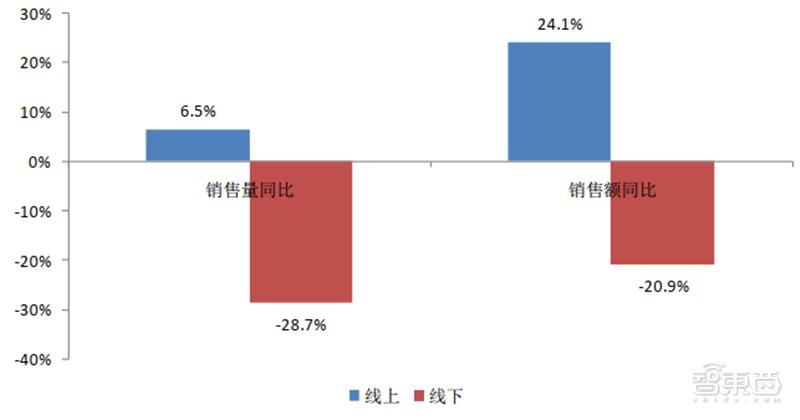
On-line and off-line market growth by 2020
In terms of average product prices, the average price of online market sweeping robots in 2020 was $1870, an increase of 31 per cent over 2019. In terms of specific price segments, more than 2,500 machines contributed most to the increase in sales in 2020, accounting for 41. 5 per cent of total sales, of which 2,500-2999 represented 15. 2 per cent, 3000-5,000 was 25 per cent, an increase of 6 and 22. 5 percentage points, respectively, compared with 2019。
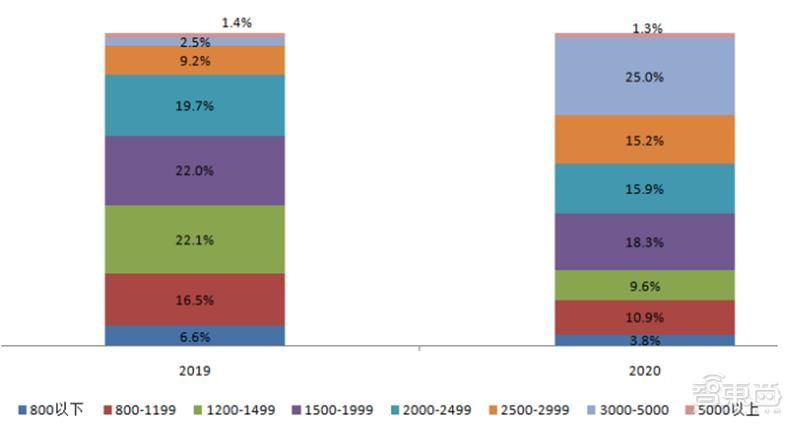
2019-2020 change in share of market segment sales on the ground sweeper
Although the average price rose considerably, sales did not decline. While there are causes such as the “home economy” caused by the epidemic, it is essentially the result of technological innovations and advances in land-cleaning robots。
In the area of navigation and avoidance, manufacturers such as kobos, using a combination of ldsslam and new types of shielding techniques, have brought together the advantages of two technical options, raising shielding, environmental identification and route planning from “hard” to “usable” and addressing past industrial pains such as “shattering”, “stucking” and “sweeping” robots。
In terms of cleaning, today's sweep robots have the capability to clean household appliances that do not lose traditional dust removal. With powerful and diverse sensors, we now have robots that can identify the whole house and plan the clean-up route intelligently, so that clean-up is complete and more balanced than manual clean-up。
In addition to dust removal, the increase in the performance in the field is more pronounced. Since the first towed blue whale cleanup system was launched in kovos in 2015, as chinese users have been home to a large number of hard floors, such as tiles, wood floors, etc., it has been highly recognized by users to date, and has become a standard for ground sweep robot products in the chinese market。
According to the data from china-iicon, there is currently less than 8% penetration of domestic sweep robots in urban households, and there is still much room for growth in future markets. In the current consumer-grade clean household electricity product, which is truly free of people and hands to work automatically, there are only more intelligent sweep robots。
The handing over of household cleaning of heavy machinery to machines for the purpose of saving human energy and time is the direction in which household cleaning products are developed and the trend towards scientific and technological progress。
According to intellectuals, even though the sweep robots are full of a sense of technological quality, they are full of “puzzling” in a bunch of electricity. But under the high growth rate there is still no room for low penetration, and many family-purchased land-cleaning robots in previous years, after a period of “fresh” have become antiques of “ash-eating” in lockers. Fundamentally, the most important reason is “no good.” the fundamental demand of users for ground-cleaning robots is “liberating hands and reducing intervention.” after all, a product with poor cleaning capacity, however technically sound, will not win the attention of consumers。