


With the progress of the times, many people prefer to decorate the kitchen with a disinfectant cabinet, which not only serves to decorate, but also protects our health. So, how should we use the disinfectant cabinet? What are the methods used?
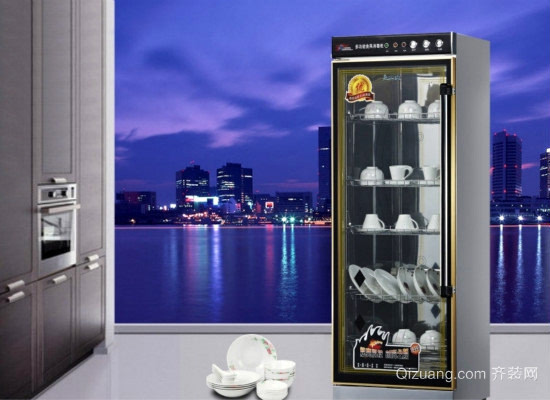
Sterilization cabinet effects chart
I. High-temperature disinfection cabinets:
High-temperature disinfection generally takes place at a heating temperature greater than 100 °c and lasts for more than 15 minutes, deforming the protein tissue of microorganisms, including bacteria, viruses, for the purpose of destroying bacteria and viruses。
The infrared method is the heating of high-temperature disinfectant cabinets, often followed by steps based on the fact that the electro-thermal elements, either by heating the air or by producing radiation heat, are deformed by the protein tissue of microorganisms such as bacteria, viruses and other microorganisms on the surface after a period of continuous high temperature。
Attention to the use of disinfectant cabinets:
After cleaning the chopsticks, they shall be logged and then placed in the disinfection cabinet, which is more conducive to the eradication of bacteria。
Since the temperature in the lower-level high-temperature disinfectant cabinets is very high, plastics, etc., cannot be released and should be disinfected in the upper ozone-sterilized low-temperature disinfection cabinets in order to avoid damage to the dishes. However, it would be preferable to avoid the placement of plastics in disinfection cabinets to avoid health damage。
Sterilization cabinet effects chart
3. Placing a varnish vessel in a disinfectant cabinet releases harmful substances and endangers human health. Because of the chinaware, its accelerants and pigments contain toxic heavy metals such as lead and cadmium. Although these chemical elements are generally stable in the atmosphere, they are easily released at high temperatures。
Iii. Usage of disinfectant cabinets:
Detailed information on the methods and functions of use of disinfectant cabinets。
2. Connect the power source and determine that the power signal is on。
3. Determines the flexibility and reliability of the switch(s) by staggering, switching or pressing the next switch(s) on the disinfectant cabinet。
4. Check the functioning of the disinfectant cabinets in accordance with the instructions。
5. Examination of ozone, uv, etc. From outside the disinfection cabinet。
6. Check the weekly correctness of the cabinet doors from the outside and try to open and close them。
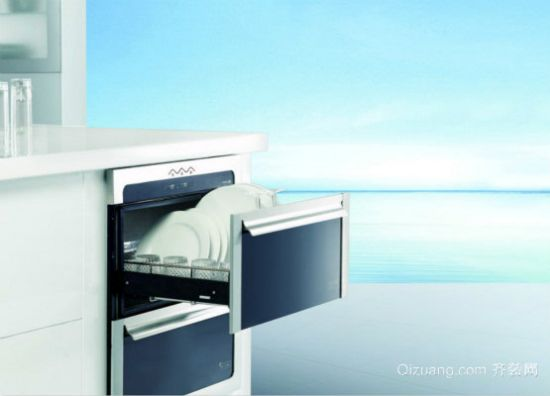
Sterilization cabinet effects chart
7. Determines whether the disinfection cabinet immediately stops work when opening the door。
8. Determines whether the disinfection cabinet immediately restarts work or reopens when the door is closed。
It is recommended that you open the cabinet several times to check the responsiveness and safety of the disinfectant cabinet。
10. Determines whether the volume of disinfectant cabinets meets the needs of families。
11. Shut down。



