It is only after spring that the smell of spring is known. When the wet south-east monsoon passes over the mountains, the spring thunder awakens the sleeping bamboo forest, and the sprouts of the earth's subsides begin the earth's journey. China is one of the world's largest producers of bamboo, with 22 of them, over 200, of which more than 20 are available. This is the most common and representative of the 10 springs of spring, which brings you to this short-lived spring feast。
1. Thunder bamboo
It is also known as the early bamboo, which is also known as the mackerel mackerel, which is also known as the zakamoto-buyako, which is a plant that is unique to china. In the early spring, thunder strikes were the first species to be listed, with the characteristics of early, high production, long maturities and fresh tastes; and tan strips, weighing 150-300 g, 20-35 cm and 3-5 cm in diameter。
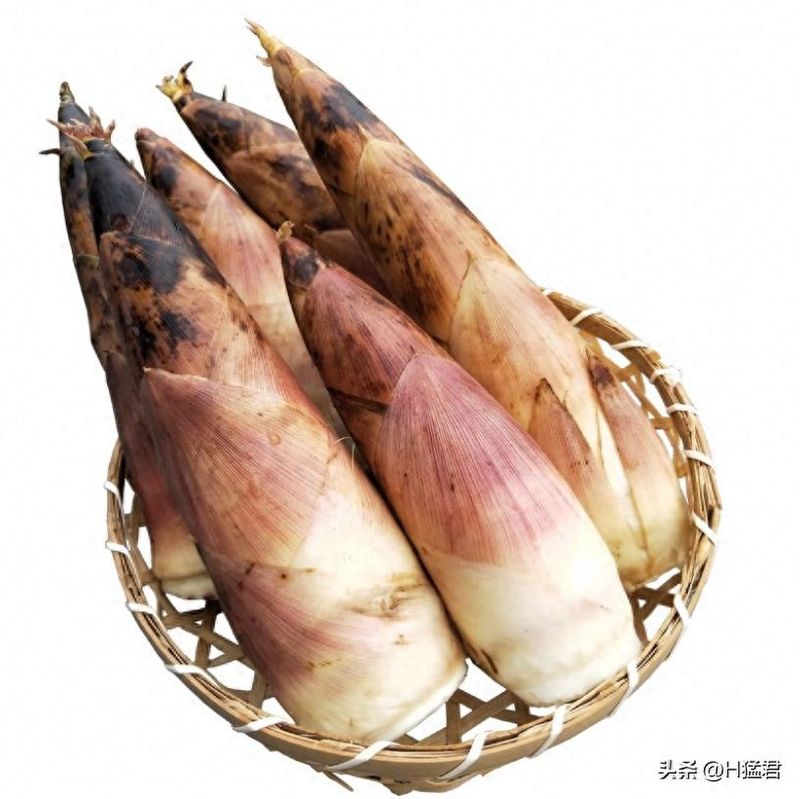
Time on the market: spring time starts in march and ends in april, autumn starts in 10 december
The growing environment is mainly found in the north-west of zhejiang, in the hill plains of jiangxi and in the provinces of jiangsu, hunan, anhui, fujian, hubei, yunnan and guizhou. The yellow slope at 200-500 metres above sea level of the zhejiang atoll mountains forms a "mine belt" in an area above 1,300 mm of annual precipitation, and its unique technique of "swirl cover" can lead to a delay of 45 days
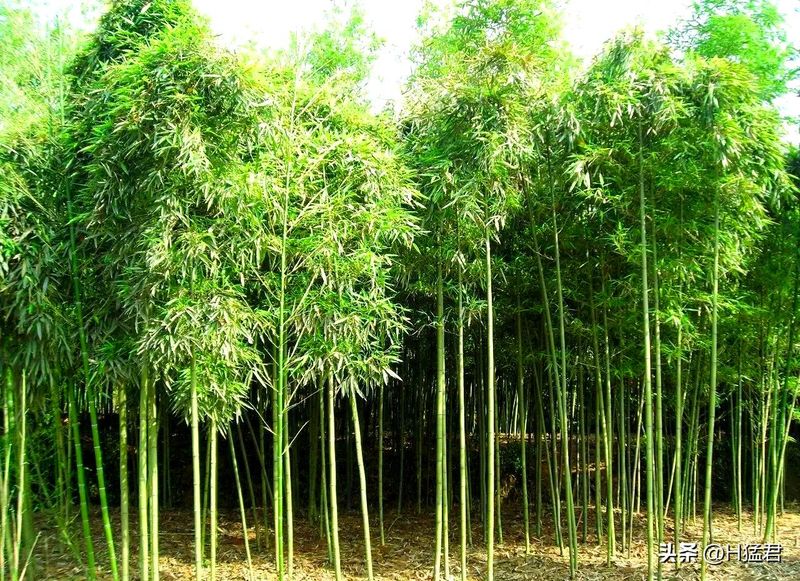
2. Bamboo
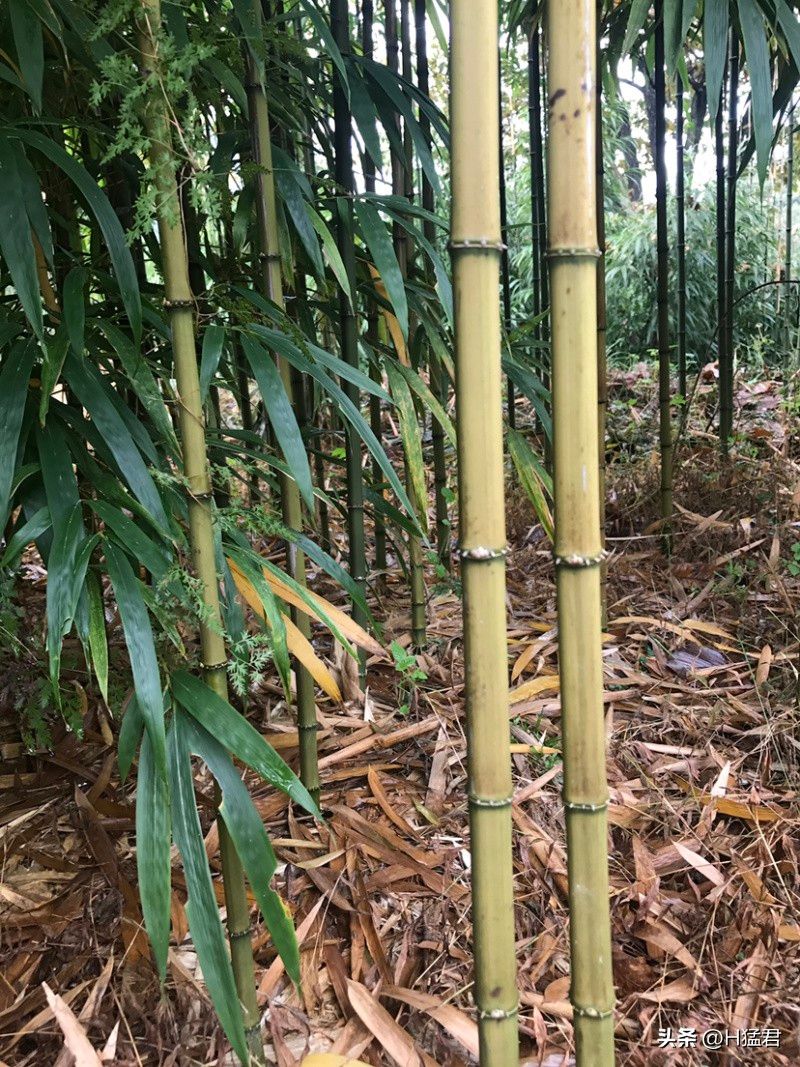
Commonly known as namboo, cat bamboo, meng zongh bam, shen buk-yakko-kingh-kinge plant. Brown or black, small fur, smooth surfaces, clean mouths, softness, fast spring growth, with a maximum height of 15 cm and a maximum of 8 kg and a diameter of more than 12 cm。
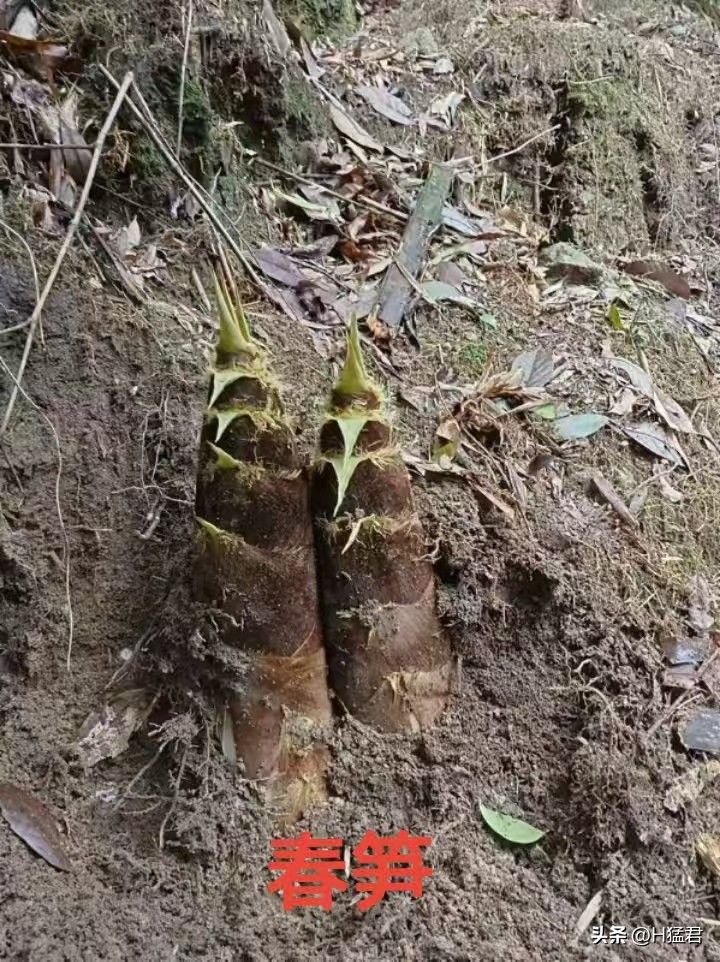
Listing time: spring march-may, whipping 6-september, winter october-february
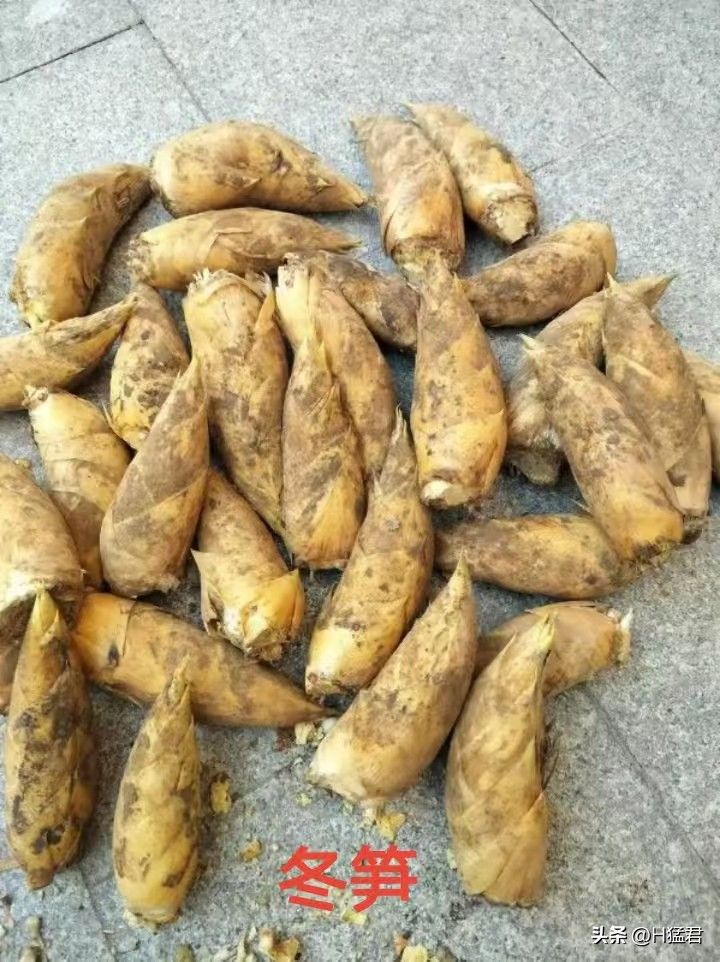
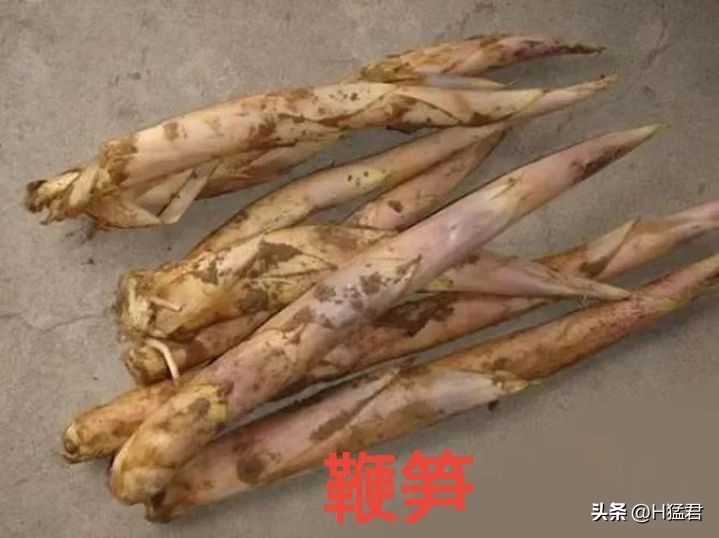
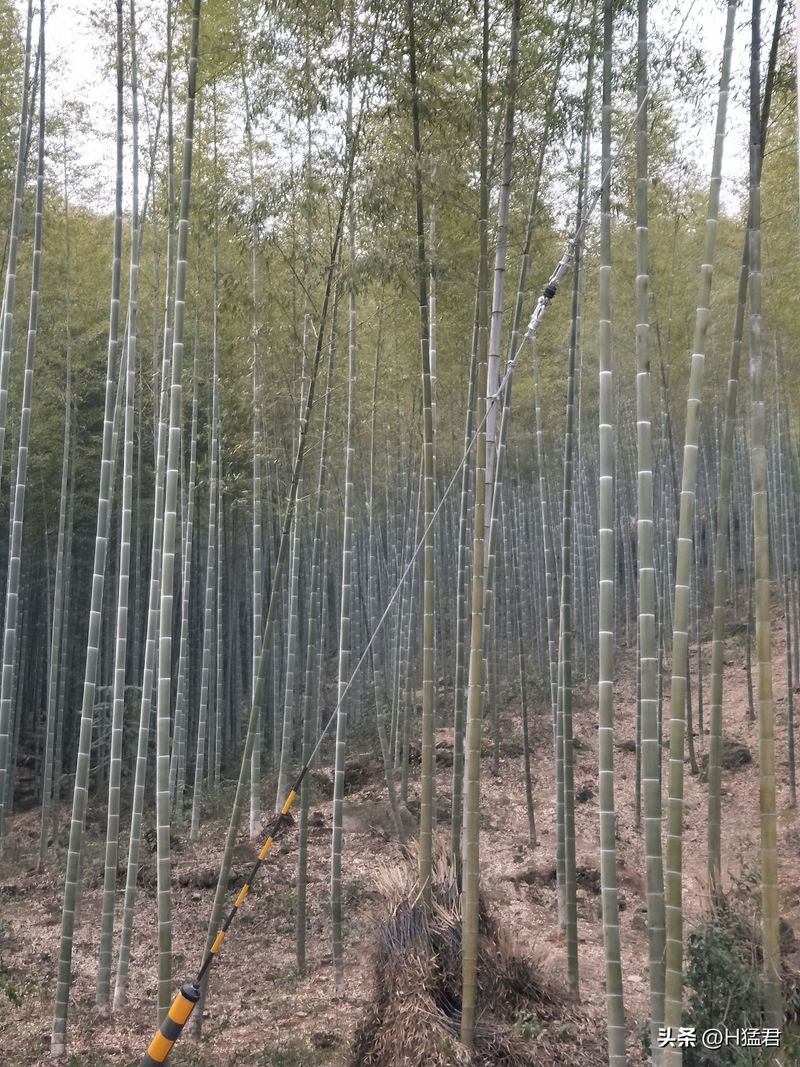
A growing environment: bamboo is grown in many areas, from qinqin, china, to south of the yangtze river basin and taiwan province, and is the most extensive and widely applied type of bamboo in china。
Three, red shells
Acquainted by the name of red chickens, whose shells are red and which are the most cultivated foods outside of thunder bamboo. The red shells are fresh and white, the venom is pure, the flesh is thick and the taste is above the thunder。
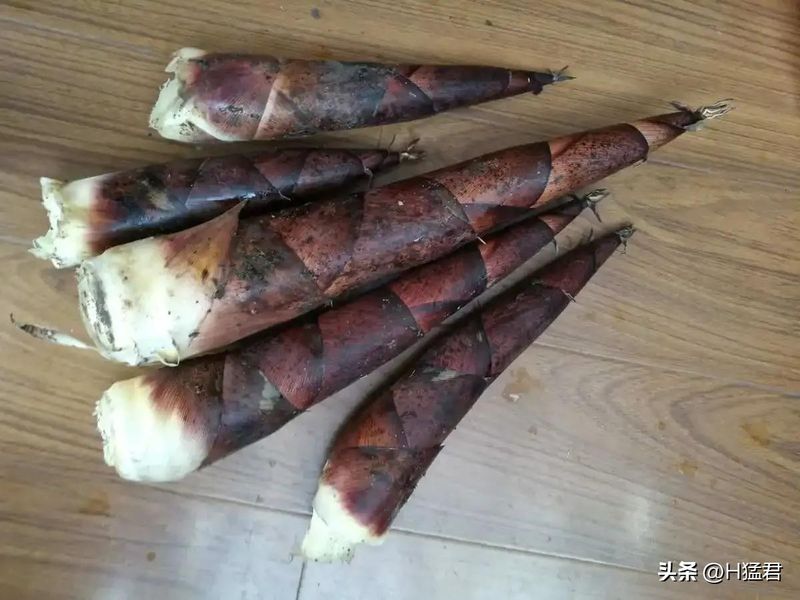
Time for listing: between mid-april and mid-may, the food season coincided with the thunderboot。
Growing environment: mainly in the low hills of the provinces of zhejiang, jiangsu, anhui and hunan, usually planted behind their houses。
"4. Bitterwood."
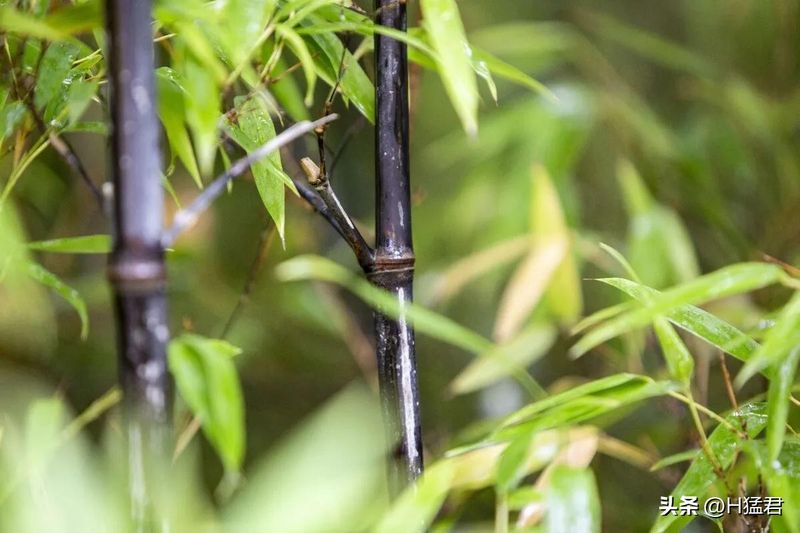
Orthodox names: glitter, cool, bitter, white, fragrance, sweet, sweet, sweet mouths, with the platinum of the end of the spring, which can be made, burnt, mixed。
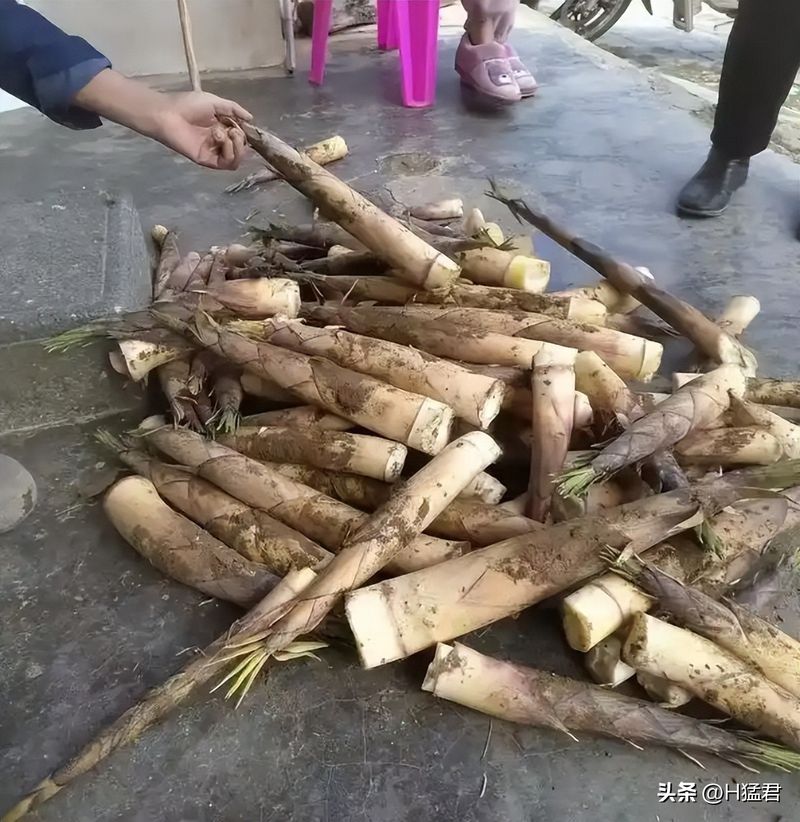
Listing time: 1 april
The growing environment: the bitterness is found in the subtropical monsoon climate, where the main wild areas are found in the mountains and are widely distributed in guangdong, fujian, hunan and sichuan。
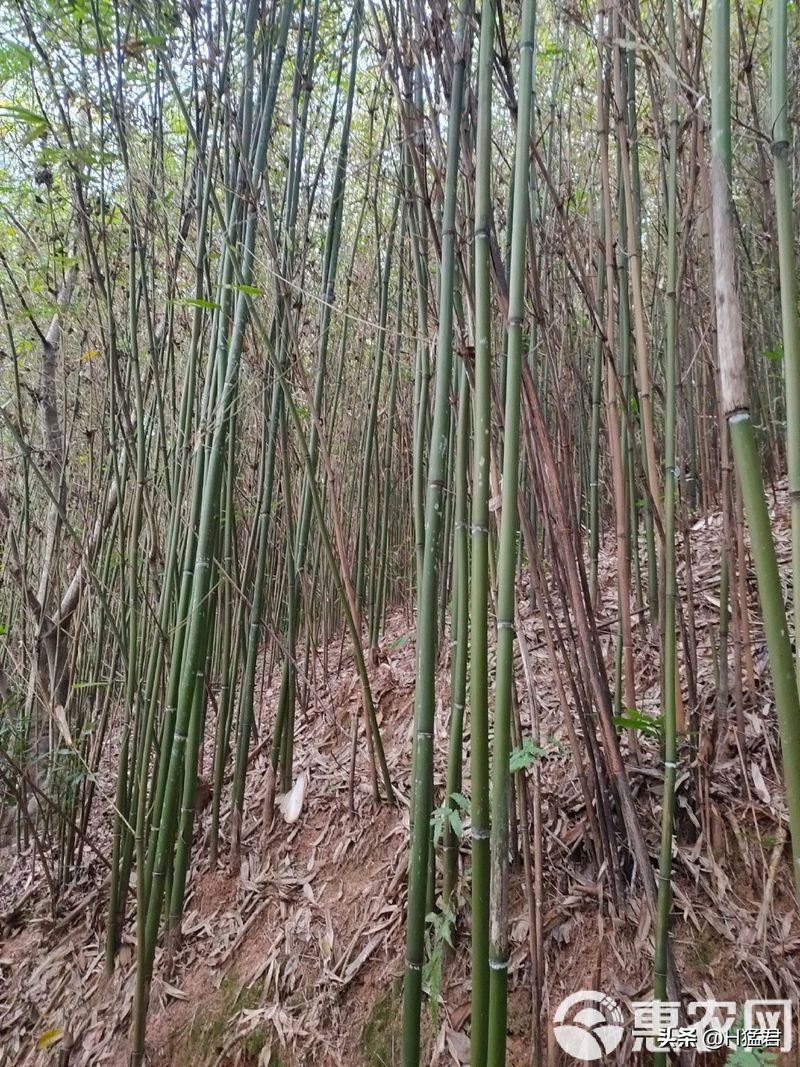
5. Watercrackers
The shrubs have a slight stench and are mixed with a natural sweetness, and the scabs taken on the same day are removed from their skins and then boiled into boiling water in order to remove the bitter smell from them, which is then soaked with cold water, so that the processed scavenging can be used to produce delicious foods。
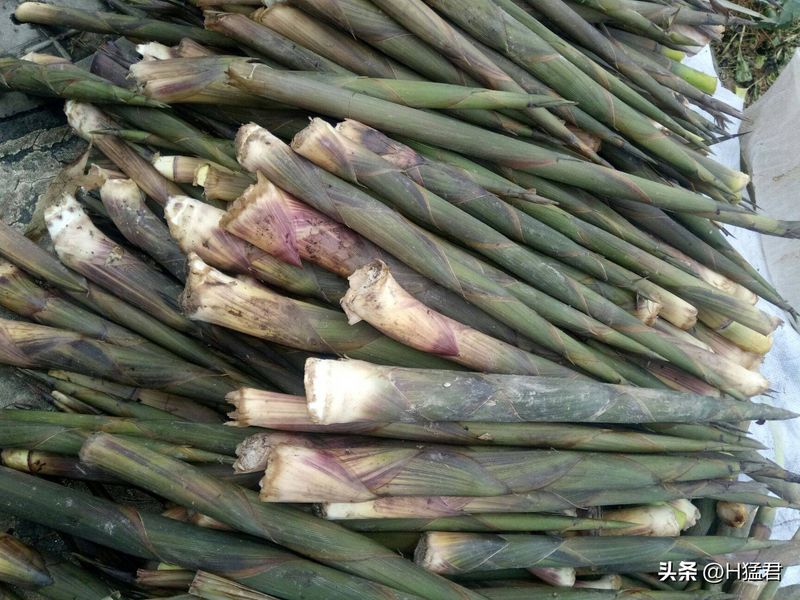
Listing time: april-may of each year
Growing environment: the bamboo is grown in the yellow river basin and its areas south of the river, mostly on both banks of the river and in valleys. It is the most common wild bamboo species in the yangtze basin and south of it. It is resistant to water, warm and humid, and resistant to cold, and suitable to grow by stream, on false mountains and on sews。
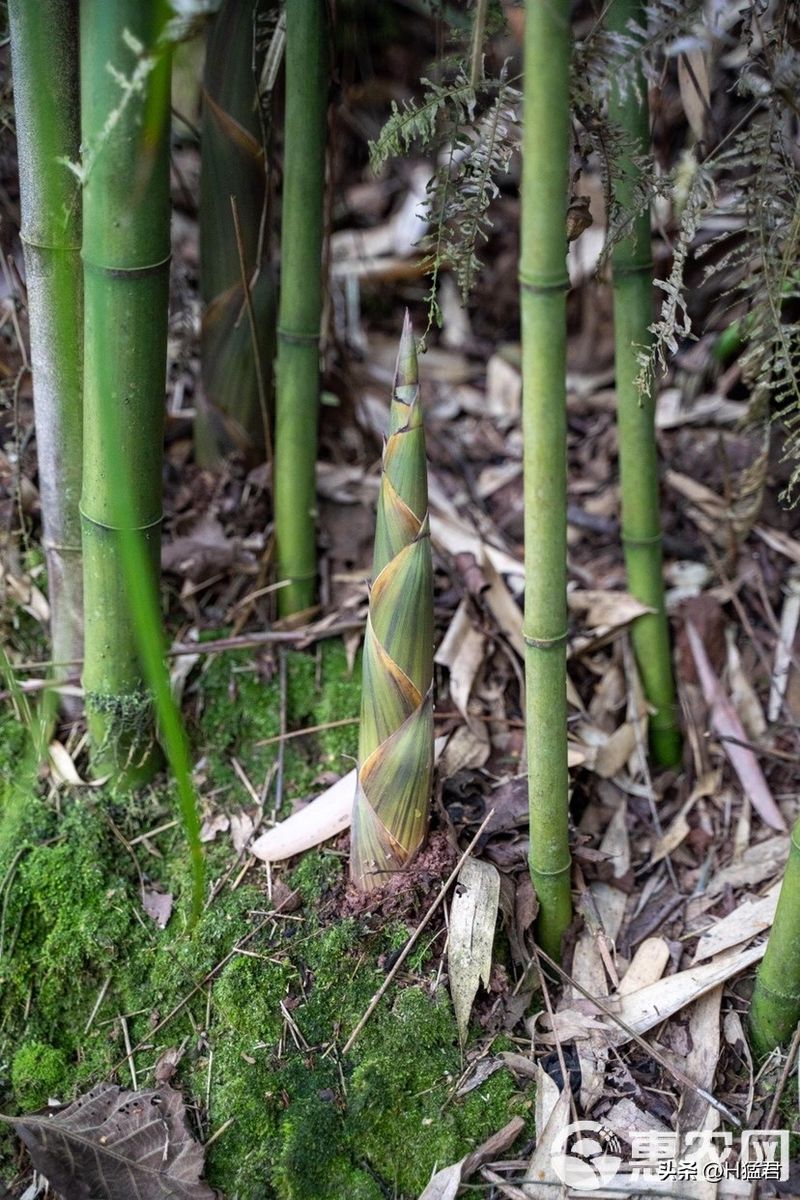
Six
Also known as "sweet bamboo" and "sweet boots" and "sweet boots" are the best known for their discovery and dissemination in the world to come. China's geo-marked products, which are rare, delicious and fragrance, are well known as the "first most precious in the vegetables". The ingested mackerel is long, 60-100 cm long, thicker (usually 10-16 cm thick) than the ordinary bamboo, with a single weight of 3-5 kg or more, twice as large as the normal mackerel。
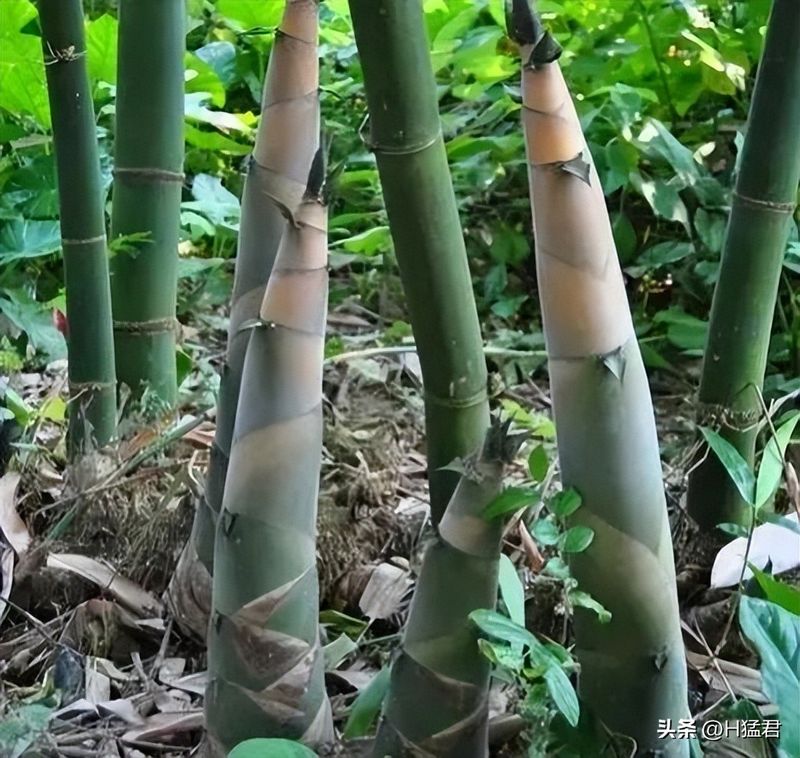
Listing time: may-november, july-august。
Growing environment: mainly in the south asian tropics, with a marked increase in heat and water in guangdong, guangxi and yunnan。
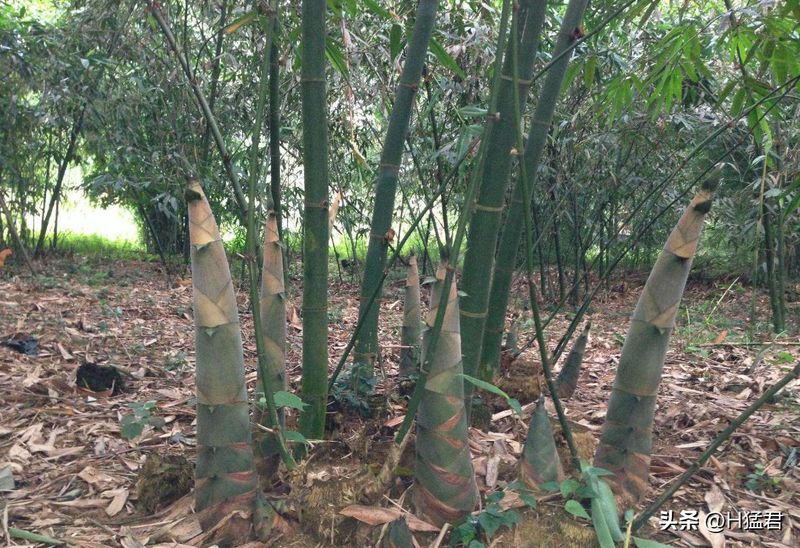
Seven, white chicken
It is also called ivory, which is white, tastes sweet, is very soft, has a lot of moisture, has a good taste for chewing, and is said to be the heart of the zhejiang people。
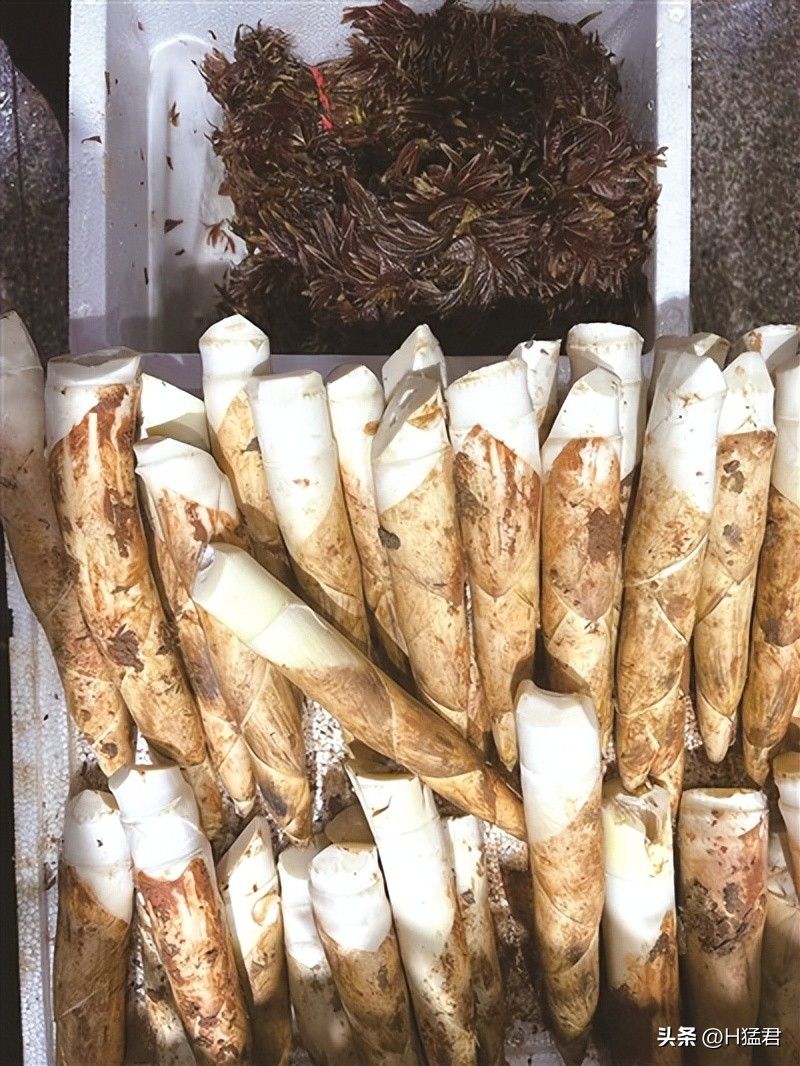
Listing time: march-may
Growing environment: widespread cultivation in jiangsu, zhejiang river, zhejiangzhou and rural areas of china, as well as in mountain areas, paddy fields, coastal pond slopes, conservation areas, etc. Soils are loose, bordered and fertile in mountainous areas, with a high rate of survival and high yield and quality of bamboo, which is the most fertile area for the mackerel。
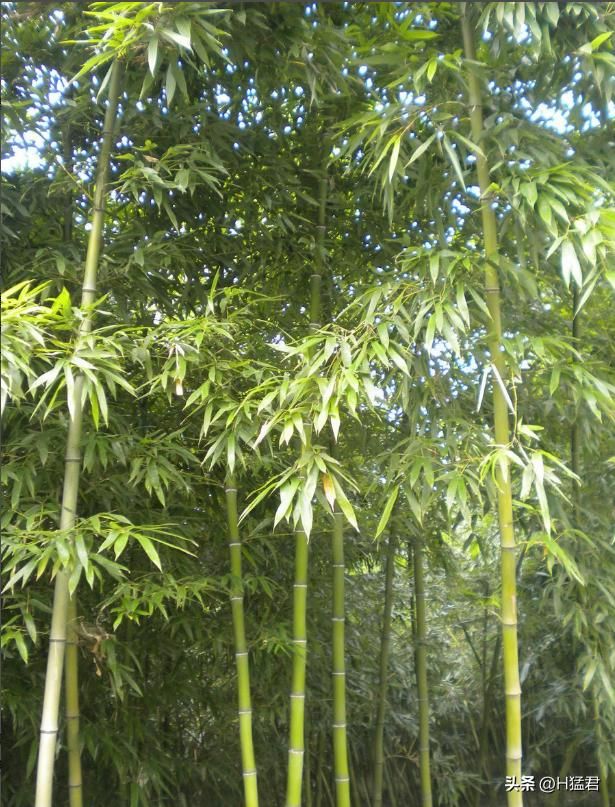
Dragon mustache (snowflake)
It is also known as the jane, the cold bamboo, which is used as a raw material in areas growing at altitudes above 1,500 metres above sea level, and is extracted by local farmers and made of pure handicrafts through a dozen processes。
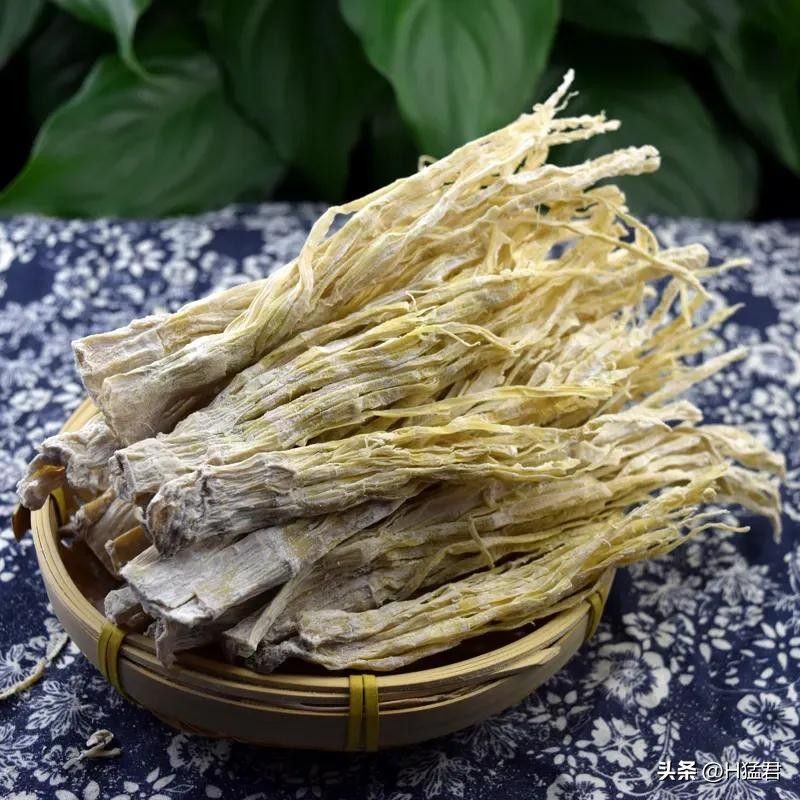
Listing time: may-june
Growing environment: dragon swabs are eaten by the big pandas of the country, and they are called cold arrows. I grew up at about 2,000 metres above sea level, in colder areas, picking is very difficult, and most famous in the sichuan zephyr mountains, and the dragon shaving that we normally see is dry and rarely fresh。
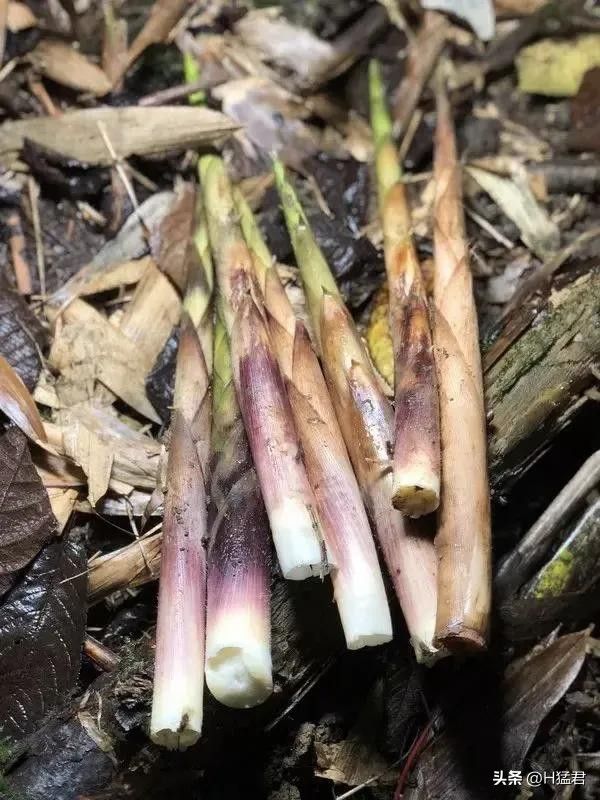
Nine. Horse hoof
As a result of its sprawl like a horse's hoof, the wakamoto mackerel has a good taste and nutrition and health-care value such as detoxification and beauty care。
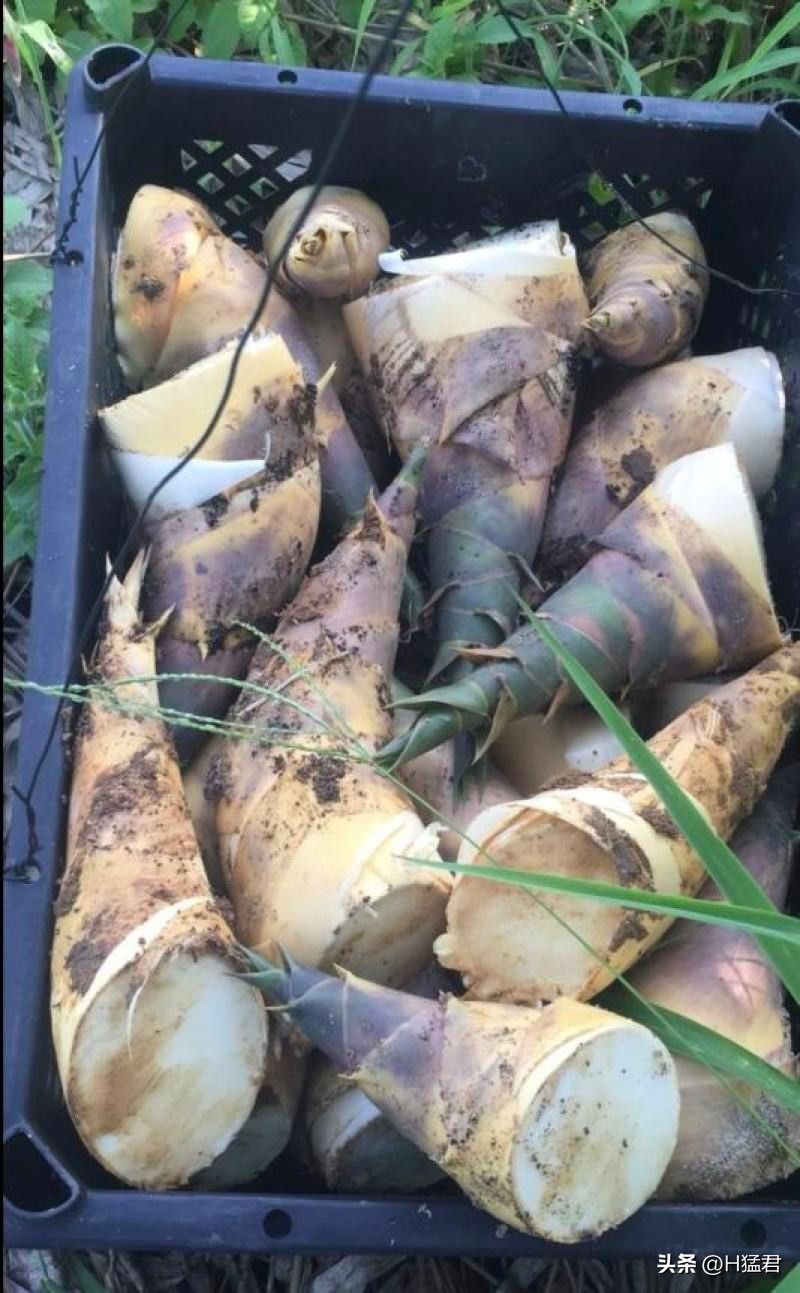
Listing time: june-october
The growing environment is mainly located in the provinces of zhejiang, fujian, taiwan and taiwan, and is cultivated in the south。
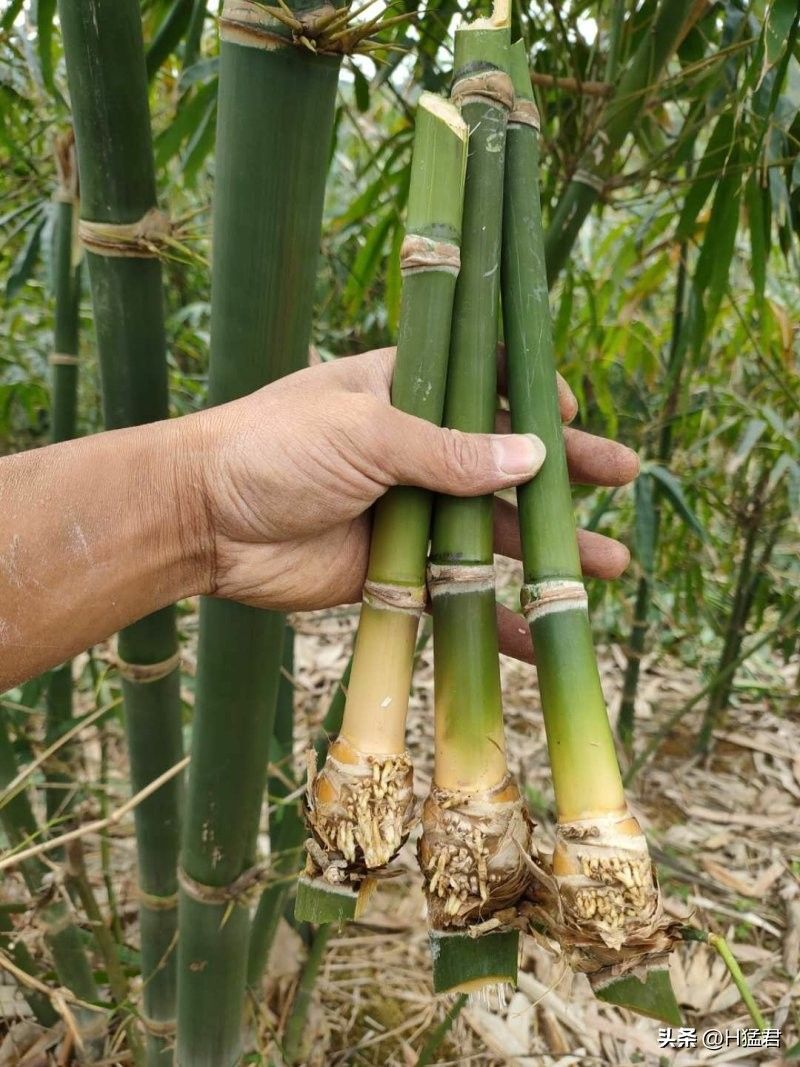
10, square bamboo
The plant, which is made of bamboo in the shape of an elliptical angle, has become known not as a spring, but rather as a spring-spring, mid-autumn and post-autumn season, and is well received by domestic and foreign markets。
: tastes nice and nice, meats rich and fibers fine。
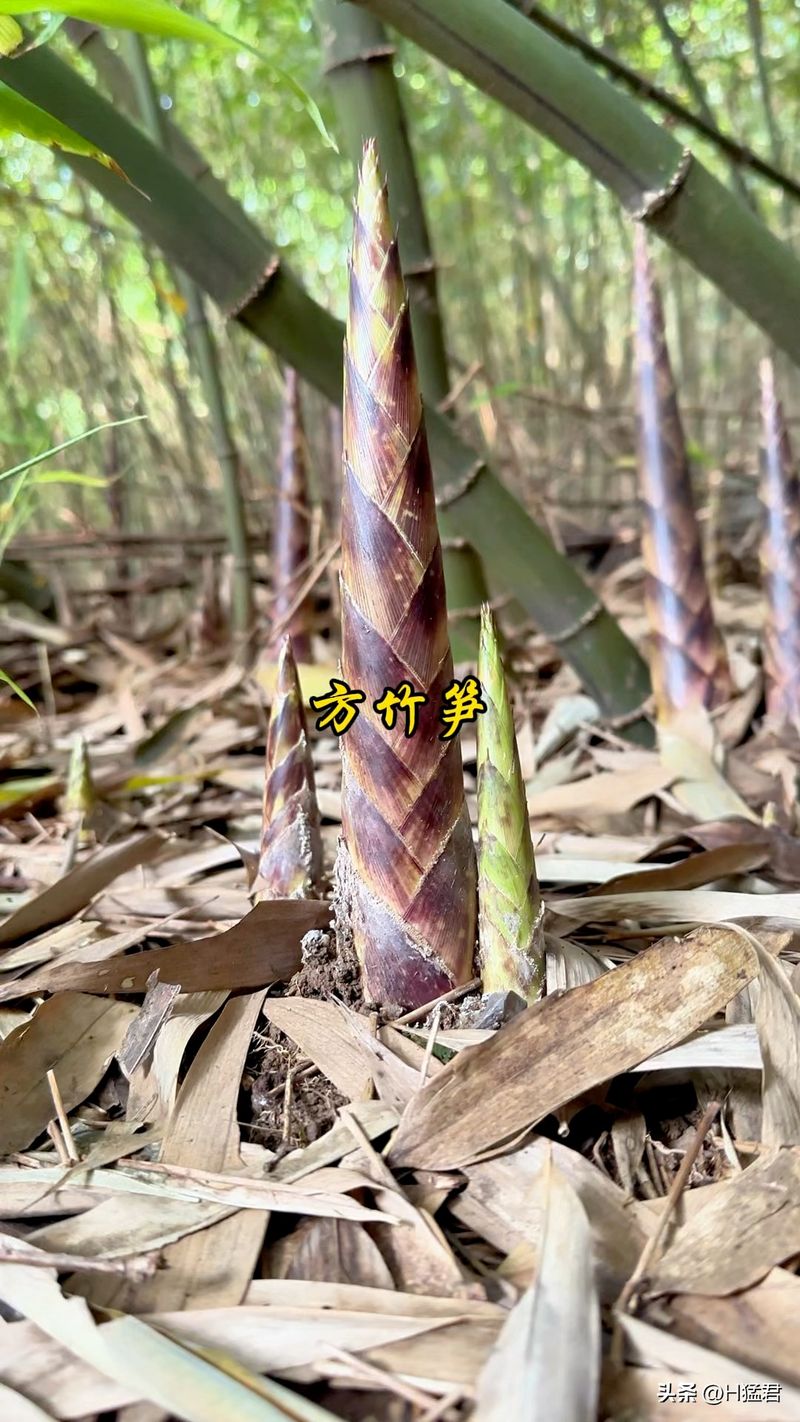
Listing: september-october
Growing environment: highland mountains growing at altitudes of 1,400 to 2,500 metres, mainly in sichuan, chongqing and guizhou。