Importance of 01 per unit
The unit price, or the average amount of consumer consumption in the store, is an important indicator of the performance of the store. The formula is: a unit price = turnover over a period of time. In this formula, the number of guests refers to the number of valid passengers, i. E. The number of customers actually purchased after entering the shop。
In the case of a supermarket, for example, when the turnover is $3,000 a day, and 100 of the customers who came to the store actually bought it, the market's unit cost on that day is $3,000 divided by 100, equal to $30. In the context of relatively stable efficient passenger flows, higher unit prices are key to improving shop performance。
Zero-two techniques to raise the price of a single passenger
• related commodities
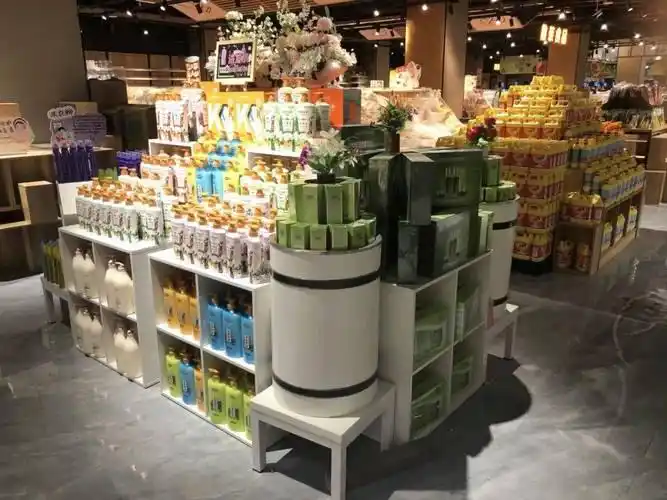
First, customers can be attracted through the concentration of associated commodities, prompting them to buy more commodities. For example, the placement of beverages with highly relevant commodities such as biscuits, bread and jam facilitates the acquisition of associated purchases by customers at the time of selection。
:: packaging policy
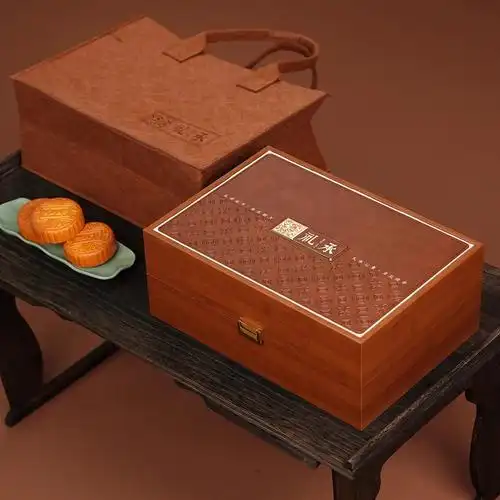
Second, a combination of packaging strategies is also an effective method. This is similar to the pattern of tied sales in other industries, which stimulates customers ' desire to buy by grouping related commodities and selling them at preferential prices. It needs to be noted, however, that the pricing of combinations should reflect a certain advantage, allowing customers to increase their unit prices unwittingly while feeling profitable。
Promotional activities
Finally, the smart use of promotional activities is also an important means of raising the price of a single passenger. Common promotions include full discounts, full gifts and over-value swaps, which can stimulate customers to increase their purchases or choose higher-priced commodities. By way of example, if your shop has an average cost of $60 per unit, you can try to increase the amount of the transaction by launching a promotional campaign called "a single ticket of $80, or a gift or a low price to buy certain goods" as an incentive for customers to raise the price to $80. Although this appears to be a short-term decrease in the returns of the merchants, through such promotional activities you actually excavate “residual value” on the customer, thereby increasing overall profits。
A further example of this is a reduction: the average cost per customer in a clothing store is $400, compared with 70 per cent of the gross domestic product. If the store were to set up a “50 per $500 full” discount promotion, this would directly drive the price of the passenger unit up to $500 or higher. By way of example, the average profit per transaction would increase to $300, an increase of $20 compared to the previous $280. Moreover, customers often find it difficult to meet the full reduction threshold and, as a result, tend to buy more commodities, thereby further increasing profits。
In addition to directing customers to buy more goods, another strategy for increasing the price of a single customer is to recommend higher-priced goods. If the consumption of customers is fixed, for example, if only one bottle of beverage is purchased at a time, the recommended higher beverage will increase the price directly. In doing so, it is essential to use smart guidance techniques to induce consumers to upgrade their consumption. Even if the customer does not eventually choose the high-priced goods recommended, such guidance may make them more psychologically inclined to accept other recommended products, thus feeling more beneficial。