


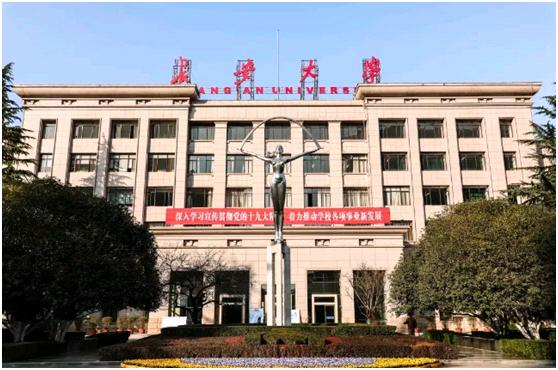
As the annual “volunteer filing season” approaches the examination, the choice of institutions and professions will have a direct impact on the future direction of the candidates' lives, requiring caution, and how can this information be accessed quickly? Encyclopedia has become a choice for many students. In turn, sebasic professionals occupies the head of 100-degree encyclopaedia, presented through the pc+wap+app platform, and is the central feature of the most credible and diffuse short video of knowledge under the 100-degree encyclopaedia. As part of the national 211 project, which focused on the construction of universities, changan university placed this innovative form of network dissemination on its “heart”。
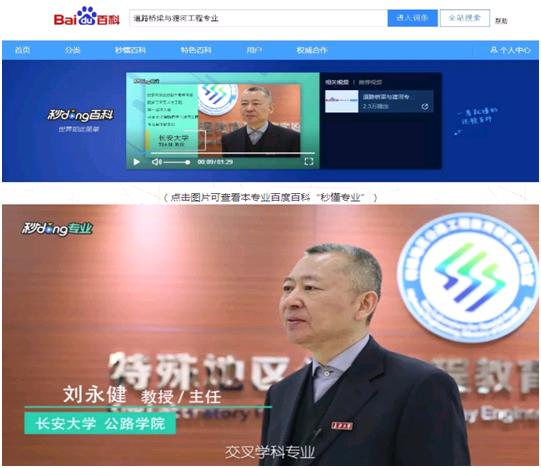
To date, seven specialized interpretive videos, such as road bridges and river crossing projects, transport engineering, vehicle engineering, transport, geophysics, mineral processing engineering (puerzemite) and civil engineering, recorded by changan university, have been successfully reviewed and are fully online through the encyclopedia of secs. These seven professions were read by prof. Liu yongjin, prof. Chen hong, prof. Zhang zhang, prof. Hu dae wei, prof. Li qing chun, prof. Liu yunhua and prof. Wang yihong, at changan university, who provided in-depth and shallow information on the specializations, learning content, fields of application and prospects for development。
1. Road bridges and river crossing works
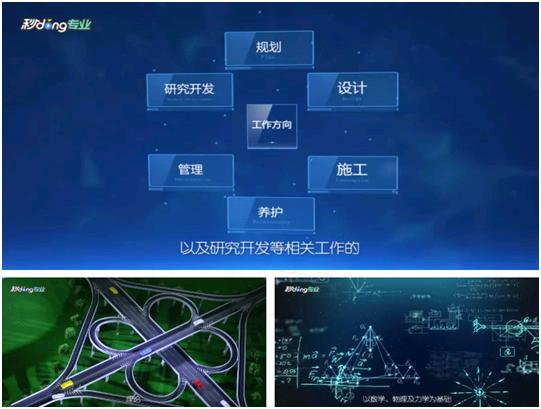
Roads, bridges and river crossings are national specialties and belong to the cross-cutting disciplines of civil and transport. It is a professional and highly practical combination of engineering theory and technical methods. The specialization is based on mathematics, physics and mechanics and focuses on the combination of theoretical analysis and practical experience, learning methods for transport infrastructure planning and road survey design, and studying theories, methods and techniques for the design, construction, management, operation and maintenance of road engineering materials, road surface engineering, bridge engineering, tunnel engineering and basic engineering. The development of high-level, complex and innovative capacities for planning, design, construction, maintenance, management and research and development in the areas of road works, bridge works and tunnel works, which are urgently needed in the construction of the national transport network。
2. Transport engineering
The transport engineering profession is a transportation system for transport participants, means of transport, transport infrastructure and the transport environment. The study of the regularity of their respective systems and their mutual operation, applying modern industrial techniques, explores the disciplines of the method of solving the complex problems of the transport system. This specialization is designed to train high-level personnel in the planning, design, construction, operation and management of the construction and operation of transport infrastructure works, such as road traffic, rail transport, airports and ports, that are urgently needed in the development of the national transport sector. The subjects covered include civil engineering, urban planning and design, computer science and technology, management science and engineering, and economics, which feature prominently. Since this profession involves a multidisciplinary cross-cutting approach, there is a different focus on professional design in different types of institutions。
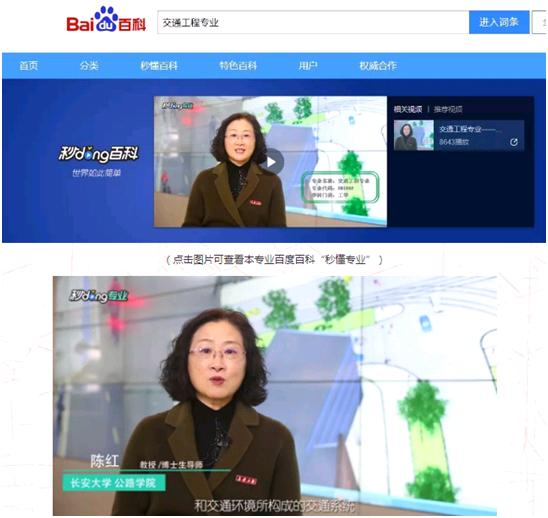
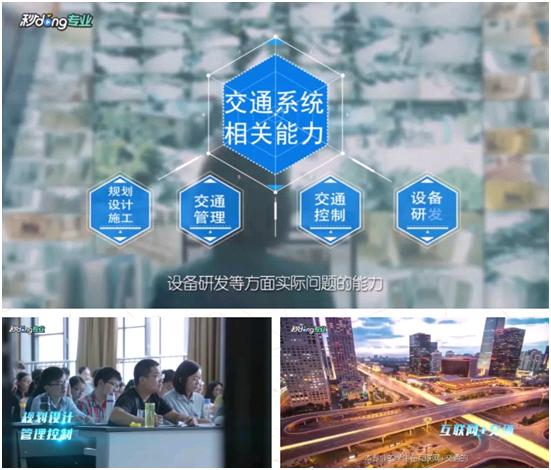
Through undergraduate studies, students have access to basic theory and cutting-edge transport system analysis, planning, design and management theory and methodology in mathematics and natural sciences, as well as engineering mapping, data processing and quantitative analysis, planning and management control programmes to address complex traffic problems and practical problems in planning, design, construction, traffic management, traffic control and equipment development. With the rapid application of new technologies such as mobile internet, big data, artificial intelligence and auto-driving, the transport engineering profession is also facing continuous changes in the teaching system and curriculum design, creating innovative complex talent that can lead to the integration of technology and management. In the context of the development of the internet+transport industry, future career choices for students in this field will be more diversified. Graduates will be able to perform technical services, investment advice, administration, product research and development in transport-related enterprises, government agencies and related design institutes, research institutes, etc., and may continue to pursue advanced and postgraduate studies。
3. Vehicle engineering
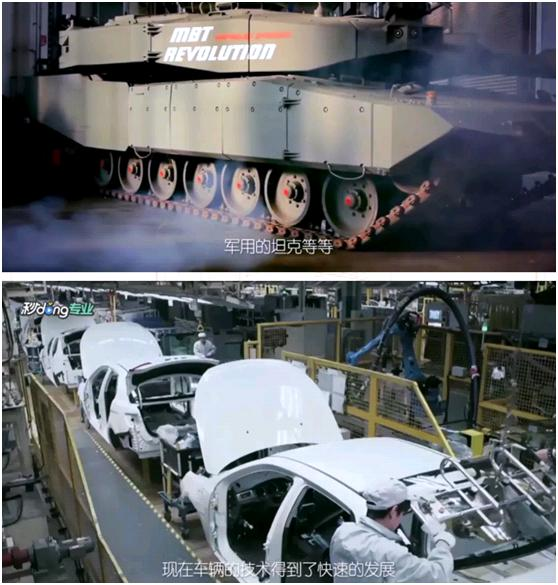
Vehicle engineering is an engineering discipline aimed at land-based equipment (including cars, trains, tractors, military tanks, etc.), which is primarily the development of talent in vehicle research and design. There is now rapid technological development in vehicles, and in our country, new energy vehicles are an important direction forward; another important direction is smart internet-connected vehicles, commonly known as unmanned vehicles. It involves subjects such as mechanical electronics, electrical engineering, computers and control engineering, and is a truly cross-cutting discipline。
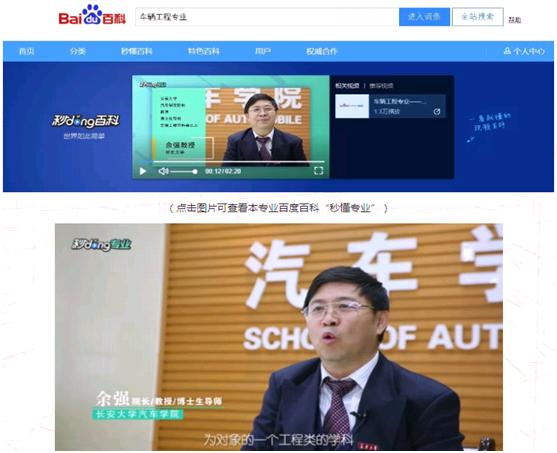
Its basic curriculum is based on mechanics, including advanced mathematics, engineering mathematics, theoretical mechanics, material mechanics, as well as mechanics, mechanical design and mechanical mapping. In the course of professional studies, the following are taught: auto theory, auto dynamics, car design, engine principles, and related computer principles, mechanical control engineering and modern control techniques. In addition to theoretical development, the profession requires students to have good hands-on and innovative skills. Upon graduation, students can work in large auto-producing enterprises, auto-monitoring institutions, research, development, design, production techniques, organization and management of cars, and may choose to pursue further studies in depth and in a systematic manner in a particular direction and subject in the field of automobiles。
4. Transport
The transport profession is a systematic theoretical and practical, multidisciplinary, technical and scientific profession that develops high-level expertise in planning, technology development and application, operational management, operational organization and business management in the field of transport. The basics of this professional discipline include, inter alia, mathematics, mechanics, preparatorys, economics, management, system science, etc. The core elements of professional learning typically include areas of knowledge such as transport system planning, transport tool theory and technical equipment, transport terminal hub planning and design, passenger operations organizations, cargo operations organizations, transport tool operational movement command and transport policy regulations, transport commerce, transport economy, transport security, modern logistics and integrated transport。
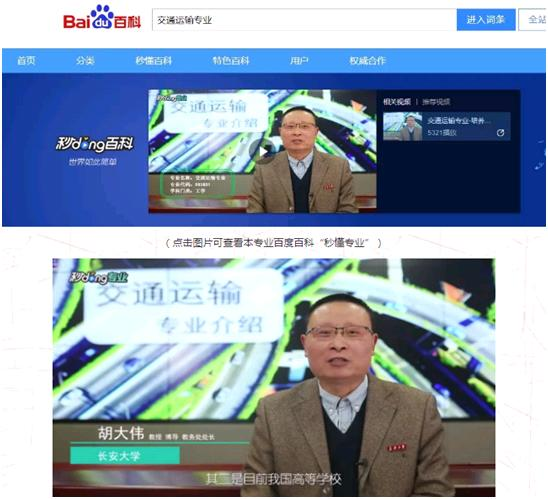
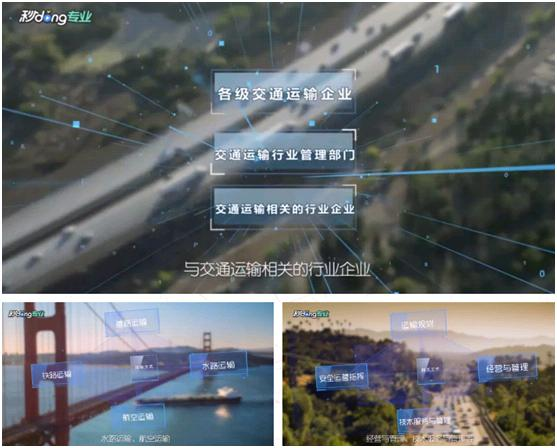
One of the special features of the transport profession is the complexity of its system, and the second is the fact that our higher education institutions, in view of their historical and distinctive advantages in the course of their professional development, are currently engaged in the training of personnel by a certain mode of transport, such as road transport, rail transport, water transport and air transport, such as road transport at changan university and chongqing university of transport, rail transport at beijing university and south-west university of transport, water transport at shanghai maritime university and dalian maritime university, and air transport at the chinese university of civil aviation. In terms of trends, there is a trend towards the development of integrated transport expertise in universities. At the end of the four-year course, a bachelor's degree in engineering was awarded, and graduates were able to work in various transport enterprises at all levels, in transport industry management, transport-related industries in transport planning, safety operations command, operations and management, technical services and management, and in education and research in transport。
5. Geophysics
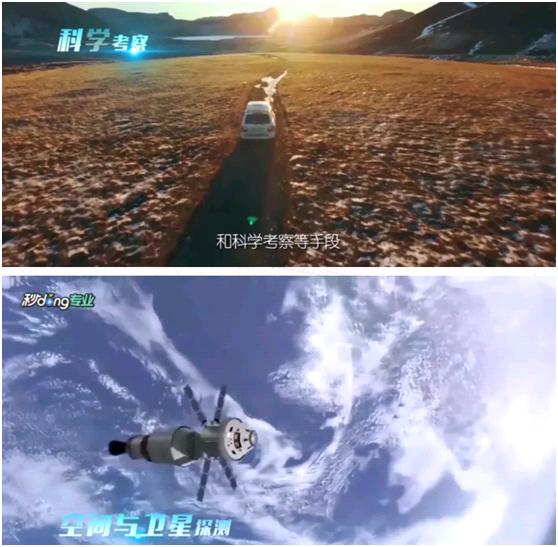
The subject of geophysics is the applied physics section, which is the subject of research by earth and solar-terrestrial space systems and is one of the main disciplines in earth science. This profession is based primarily on the principles and methods of physics, using the tools of space satellite exploration, aerial and ground observation, computer simulation and scientific expeditions to study the distribution of and changes in the physical fields of the earth as a whole and its components and to explore the media structure, material composition, formation and evolution of the earth's physical and solar space, as well as the natural phenomena and patterns of change associated with them. On this basis, and in response to the needs of our national economy, our profession can provide a range of theories, methods and techniques for detecting the earth's internal structure, seeking the energy and minerals and minerals needed for human survival and development, environmental monitoring and geological disaster forecasting。
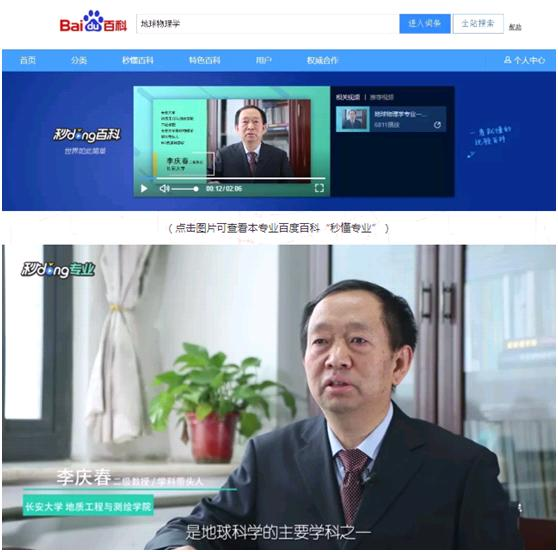
The geophysics profession develops students with a solid mathematical physics base, geological base and more systematic geophysical basic theory, basic knowledge and basic experimental skills. After four years of study and training, graduates have better scientific skills in research and management in the fields of space exploration, seismic monitoring forecasting, deep earth exploration energy and mineral geophysical exploration, environmental and engineering geophysical surveys, and maritime land mapping, as well as in continuing their master's and doctoral studies in order to further enhance their integrated capabilities。
6. Mineral processing engineering (photomite)
Natural gemstones refer to minerals, rocks and organic materials produced in nature, which are colourful, lean, durable and scarce, and which can be calibrated, carved and crafted. Gemology studies the chemical composition, mineral composition, structure and construction of the jewels, their physical properties, the geological environment and causal mechanisms of chemical properties, distribution patterns and the development of their resources, the manufacture of artificial jewels, their improvement, their design and processing, and a discipline in the pattern of the jewellery market and the characteristics of trade。
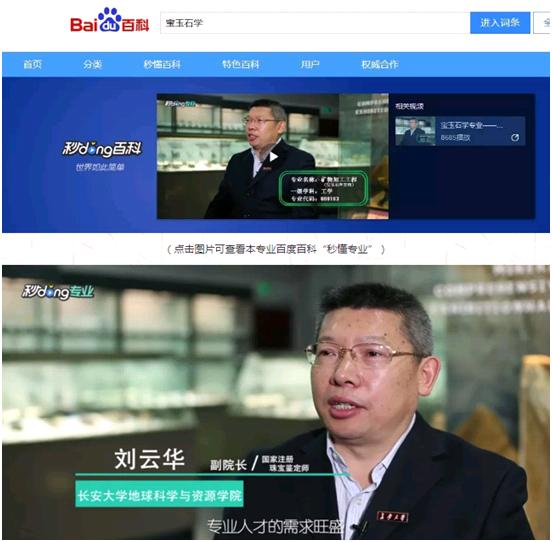
Jewellery techniques and certifications are based on skills development, with the aim of developing vocational qualifications and sustainable development skills, and the construction of a scientific system of physical jewellery as a vehicle and systematic work process. Implementation of an integrated teaching system of theoretical and technical skills, practical training in schools, extra-curricular practice, and practical training. Major courses in the field include crystallography and mineral science, jewellery design, jewellery processing, jewellery trade rules, jewellery assessment, jewellery identification, diamond colour classification, jewellery design and processing. There is a strong demand in society for specialists in jewellery processing, identification and marketing, which provides a vast market for the employment of graduates of this profession, such as in the production of gold and silver jewellery, the processing of precious stones, jewellery design, marketing management, the testing of gold and silver jewellery and the teaching of jewellery. The main employment units are accredited institutions and well-known jewellery businesses. There are also more ways to continue beyond graduation, with many schools offering doctoral admissions in jewellery, geology, mineral processing, marketing management, etc。

Civil engineering
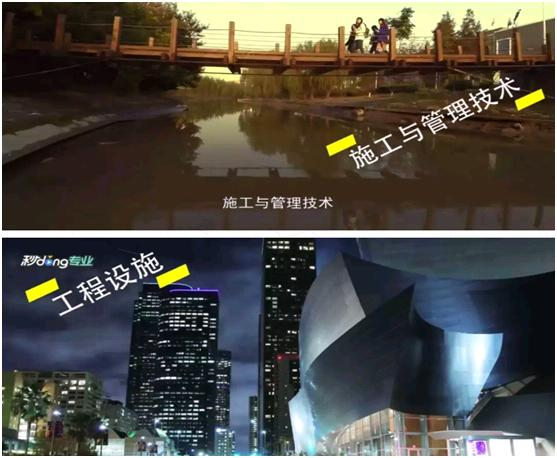
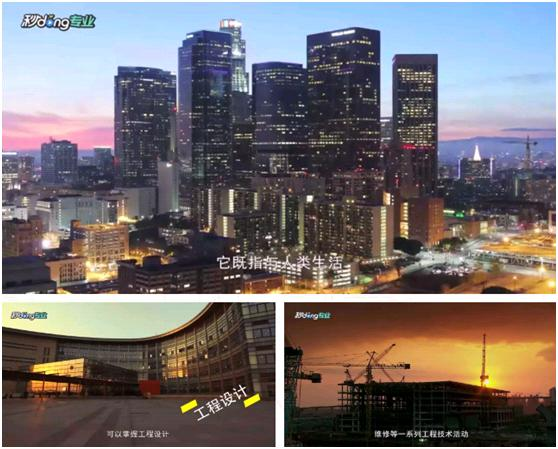
Civil engineering is the sum of the scientific and technical aspects of the construction of various types of civil engineering facilities. It refers not only to engineering facilities related to human life, production activities, but also to application material equipment, a range of engineering technical activities such as surveying, design, construction, testing and maintenance of those facilities. Civil engineering is the basic and supporting industry of the country. Civil engineering has a wide range of specializations, including construction of houses, tunnels and underground buildings, roads and cities, and bridge works. Some of these institutions also include projects for the application of the built environment and energy, drainage science and engineering. This is one of the characteristics of my civil engineering profession。
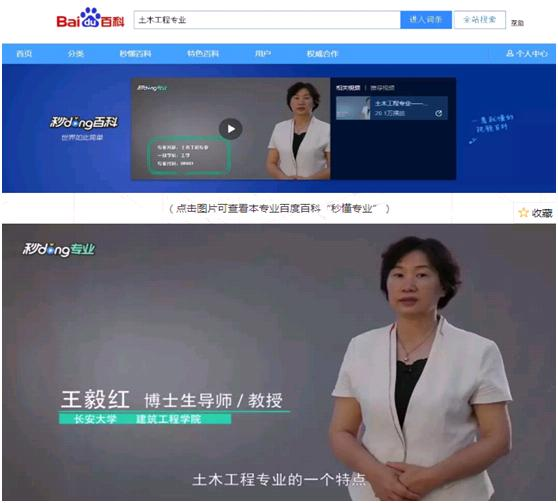
After four years of training, graduates of civil engineering can master engineering, construction and management techniques, technical and managerial work in such sectors as design, construction, management, research, education, engineering consulting, etc., or continue to study in depth in a given direction, pursuing master's degrees and doctorates. Civil engineering is an ancient and young discipline with a wide range of specialized designs and a high degree of vitality。
In addition, 12 specialized “second-reading” videos, such as those on automation, mapping engineering, remote sensing science and technology, geological engineering, surveying technology and engineering, safety engineering, resource surveying engineering, environmental science, environmental engineering, hydrology and water engineering, groundwater science and engineering, and urban and rural planning, have been completed and are currently being produced by changan university。
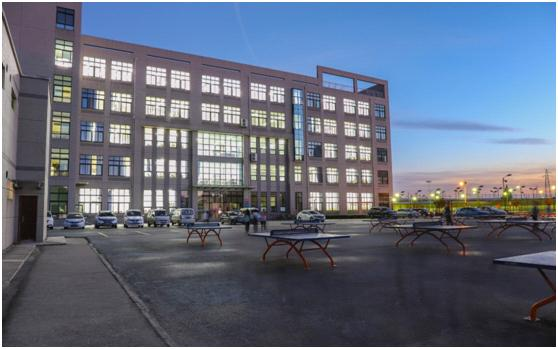
The university of changan, through a three-dimensional dissemination model of short video plus new media, has further developed the role of media integration, increasing the visibility and credibility of the academic profession, enhancing the profile of the academic profession and enhancing the content of the enrolment campaign. It is believed that this will increase the number of students and parents who are aware of the content of the profession and will be able to fill in the problems of volunteering for candidates。
More wonderful information



