Many of the arguments actually bypass the key: we always think cheap things have to be hidden behind them, but some of the products are not following this logic, making people uncomfortable. What i want to say is this “uncomfortable sense of reality” — when you're ready to do it, it breaks your expectations。
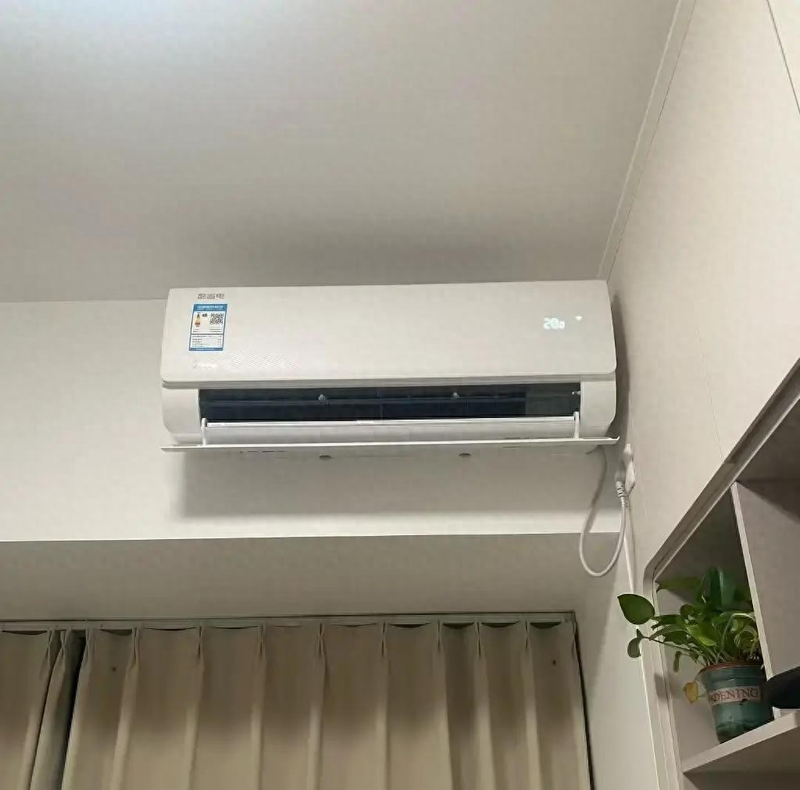
Let's start with a very everyday embarrassment. When buying a household electricity, most people have a default model in their mind: it's just the right price, not the bad performance, and it's easy to save the power, to be quiet, to make a living. So i picked the air conditioner, and the motive was simple, and the budget was there, and i didn't expect it to surprise me. And it took a month, and when the bills came out, my first reaction was not to be happy, but to question -- how could the electricity cost be lower than last month? The real feeling at that moment was not “gorgeous”, but “is something wrong with it”。
Later on, he looked back at how he worked. It's not hysteria, it's not luck. It's the environment that regulates power. To put it simply, it's not always blowing, it's keeping it. Behind the back is variable frequency control and a set of algorithms that can constantly adjust the state. There's a push: if the machine doesn't have to keep running at full capacity, the electricity will come down, and the bills won't be ugly if the electricity goes down. It looks like it's been blowing for longer, but it turns out it's spending less。
Many people are instinctively wary of this statement and think it's propaganda. But you'll understand when you change the scene. It's like driving a car, and some people push the gas door to the bottom, and they pull the brakes to control the speed; others pre-empt the road and the gas door is very restrained. The latter may not be slow at the end, but fuel consumption is often lower. The logic of air conditioning, which is actually the same path, is to pass people's judgement to chips and programs。
Let's talk about heat. People in the north know that the worst thing about coming home in the winter is "open and warm." the machine's performance is a little off-the-shelf, and the house's hot. The reasons are not complicated, its heat-resilient components are made more and the efficiency naturally comes up. Introspection: the heat is more well passed and the room temperature is rising faster in the same time frame, so you don't have to pull the temperature very high for long. As a result, the machine is not that tired. The experience of being “forced to waste” when my new home dress was quickly thrown into a cold room is delicate。
Another detail is sound. A lot of people used to sleep with a little background noise, and the sound of air conditioners became a habit. It turns out the machine has a low sense of being in the night, so low that you'll be unconscious to see if it's still working. There are no emotional factors here, but structures and operational strategies are putting noise down. What's the cost? It's more complicated to design and adjust, and it's not disturbed at night. Whether you want to be so quiet depends entirely on the individual, but it does give the choice to the user。
And the little thing about cleaning is worth saying. The traditional idea is that air conditioning takes too long to get people to clean and spend time. The machine has a self-cleaning process that reduces manual access. Some would argue that this leaves the teacher inactive, but it lowers the maintenance threshold from the point of view of household use. The mechanism is clear: it is relatively clean, and the efficiency and air quality are more stable. Don't worry about it once, just one less hidden cost。
Putting these scattered experiences together will find an interesting point: it does not write on its appearance or head, but rather spends its strength in less visible places. Algorithms, compressors, structural designs, which are not usually spoken out, are used over a long period of time and the difference becomes even more apparent. The limitations are also there — this “slow and comfortable” experience will not give you a strong stimulus on the first day and will take time to validate。
So the question is not whether it's a "god" but we don't get used to this no-no-no-no-no-no-no. A lot of people buy things, actually giving themselves a psychological expectation: i'm ready. But when reality doesn't work out, it makes you feel better, and that sense of discomfort is the real feedback。
If this happened in your house -- it was just for good, and it was forced to upgrade the standard of living -- do you think it's earned, or are you starting to worry about never coming back