


Good design, changqing. Hello, i'm a permanent home designer who loves to share home and fit. Click to watch me and give you new knowledge every day
The water heater is an essential large appliances in the home, but it's more powerful, it's more power-intensive every time it's used, and many friends wonder if it's always running. Or use it to save electricity? I'll give you a detailed answer today。
Distinction between gas heaters and electric water heaters
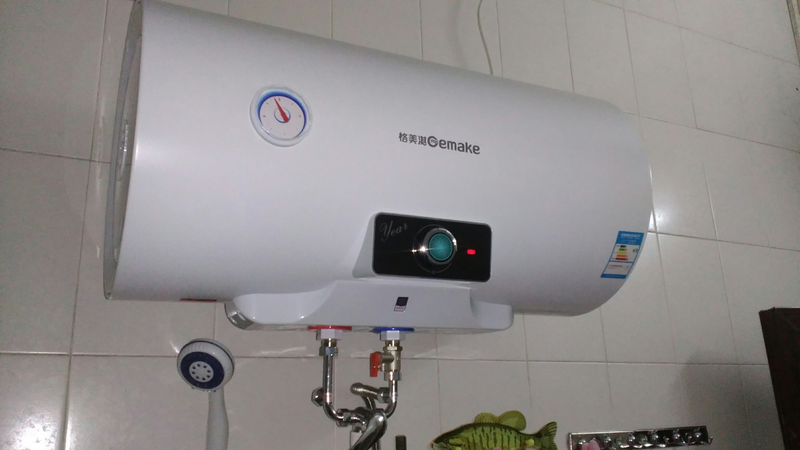
Before answering this question, we need to know which water heater we use in our home, which is an electric water heater with a water tank, which is generally larger and installed on the walls of the bathroom. Gas heaters are small and can be installed in toilets and kitchens。
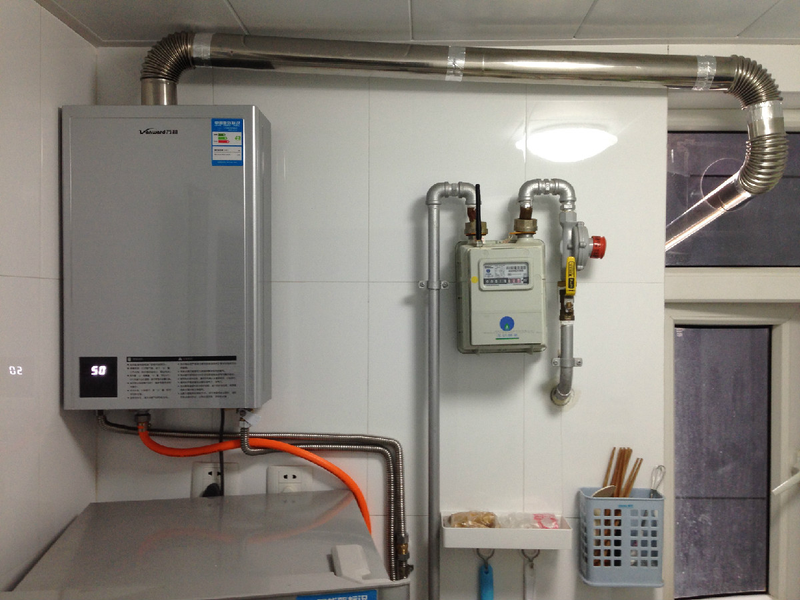
The method of heating an electric water heater is to fill the tank with water, then heat the water in the tank with a heating bar. The hot water that we use is actually in the tank, with a little less, but with the benefit of temperature stability, without the cold and hot water. The downside is slower heating of electric water heaters, water in tanks is fixed and, if the household population is larger, there may be a shortage of hot water。
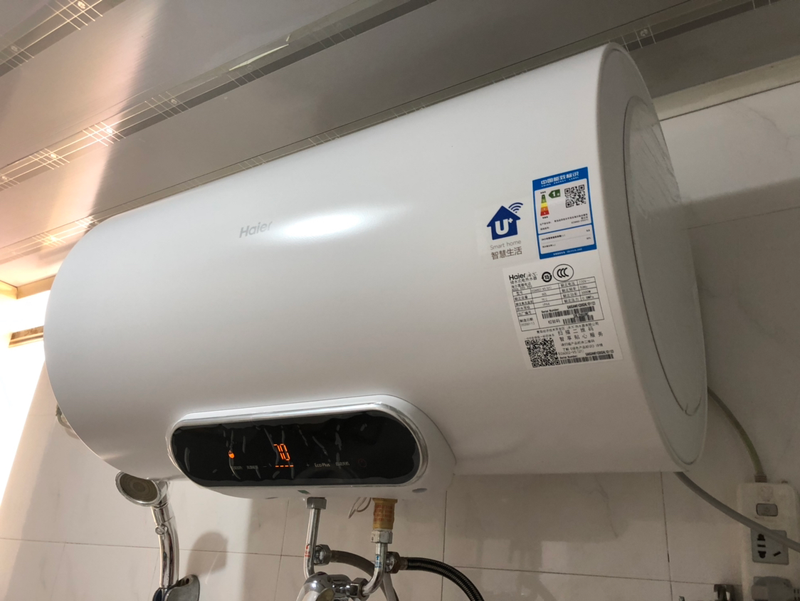
The heating of gas heaters is based on a long pipeline, which heats cold water through pipelines, turns water through pipelines into hot water. The main source of energy is the combustion of gas, which involves, for example, lcds, led appearances, key input, gas incineration exercises, temperature manipulation, etc., electronic components that are small electrical or micro-efficient. The overall amount of electricity consumed is very small, so that even 24 hours of electricity is running. The advantage is that heat is used, and the downside is that there may be temperature instability when water flows too fast, and that not every household has a gas pipeline。
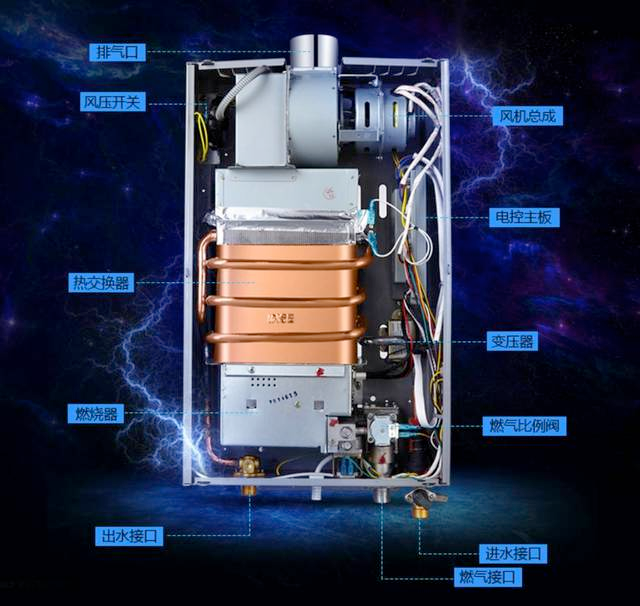
Is the electric water heater running again or always
In the case of water-storage electric water heaters, we should analyse specific problems, starting with the old and new levels of our own electric water heaters。
1. If the new water heater was purchased, the temperature protection was good, it would be very different if it was open 24 hours or used again. Because when the electric water heater reaches the specified temperature, the heating rod ceases to work, with only one low-power temperature protection and very small electricity consumption. The degree of electricity that may be available once a day is negligible。
2. In the case of water heaters with longer years of use, temperature protection is not good at normal times, and it is recommended that they be turned off during the day when they are not needed, and that they be opened well in advance, thus saving electricity. Because heaters, like heaters, are all materials of consumption, and after many years of use, performance declines are higher. If they are open 24 hours, the water heater is in a state of heat for a while, with a significant increase in electricity consumption。
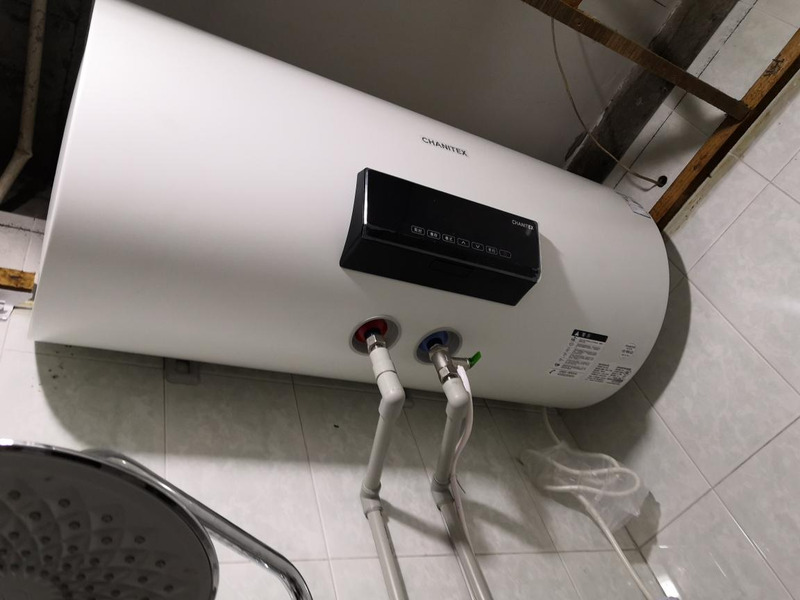
Secondly, we have to choose according to the family context and usage habits。
1. If the family has a larger population or if the water heater is attached to the kitchen, it is generally necessary to use hot water to wash the dishes, at which point the option is to open the electric water heater 24 hours a day to ensure that the hot water can be supplied at home。
2. If the kitchen is not connected to the house by two or three people or the water heater, the water heater is usually used only for bathing, the choice is made to open it when it is needed, so that there is no waste of electricity during the day。
Summary: optimal use of water heaters
I'm sure you all know how the water heater works. Let's sum up
1. In the case of gas hot water heaters, 24-hour operating experience is best due to low electricity use。
2. In the case of electric water heaters, the amount of hot water used in the home is high, and the use is better when running 24 hours a day, although it takes more electricity。
3. In the case of electric water heaters, the home is less used for bathing and is used to save electricity。



