On 19 august, premier li keqiang chaired the standing meeting of the state council, which adopted the platform for action for big data development. It was felt that the development of basic strategic resources, using big data, would facilitate the promotion of “public entrepreneurship and innovation”, the upgrading of traditional industries and the development of new engines of economic development and new competitive advantages at the international level. Large data technologies and their associated applications are the product of the evolution of social informatization to the present stage, and the deeper integration of big data with all aspects of the economy and society will have a significant and far-reaching impact on pre-existing socio-economic performance. The development of the big data industry, the application of big data technologies and the spread of big data thinking, and the increased value of big data available in the public sector, the full openness and use of these large government data, the importance of promoting “mass entrepreneurship, innovation” and adapting to the new paradigm of economic and social development, have been particularly instrumental in building e-government in the country。
After more than a decade of development since the government's internet project, the construction of e-government in the country has largely moved beyond the infrastructure-building phase to a new phase of further application development. E-government plays an important role in supporting the overall functioning of government, accelerating the transformation of government functions, improving the quality and efficiency of government work, and enhancing its regulatory and service capacity. However, a number of problems remain in the development of e-government in our country, in particular the problems of information-sharing and data openness among governments, which affect the effectiveness of integrated e-government construction。
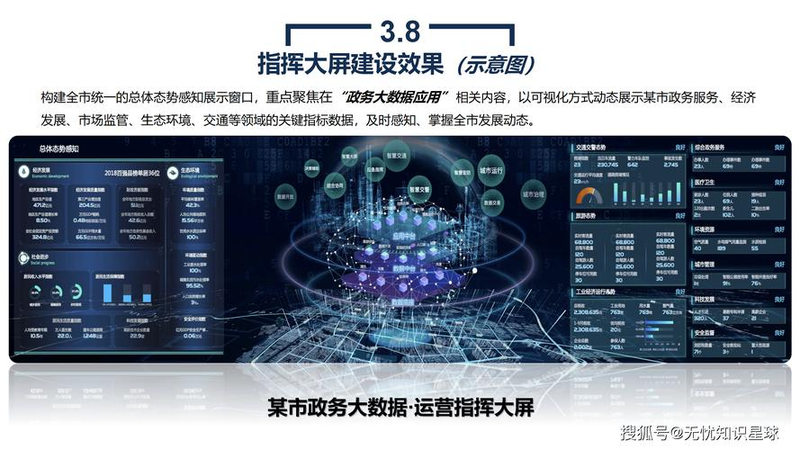
On the one hand, there is information-sharing. For reasons of regulatory institutions, laws and regulations, historical inertia and inter-sectoral interests, the construction and development of e-government in our country has been in a state of “separate and fragmented”ism, which has created numerous “information isolations” and made it difficult to achieve operational synergy and scale and even basic intersectoral data exchange。
On the other hand, the fragmentation of government data and the issue of data openness. On the one hand, our e-government has grown relatively rapidly, and government departments and public service institutions have generated significant data resources in the course of their duties, which are scattered across all sectors and have serious problems with data fragmentation. On the other hand, information technology has evolved into an age of big data, and there is an urgent need to build a government data-opening system, legally define the boundaries of data confidentiality and openness to government data, and promote the value-added and innovative use of government information resources and the creation of social information systems through data openness。
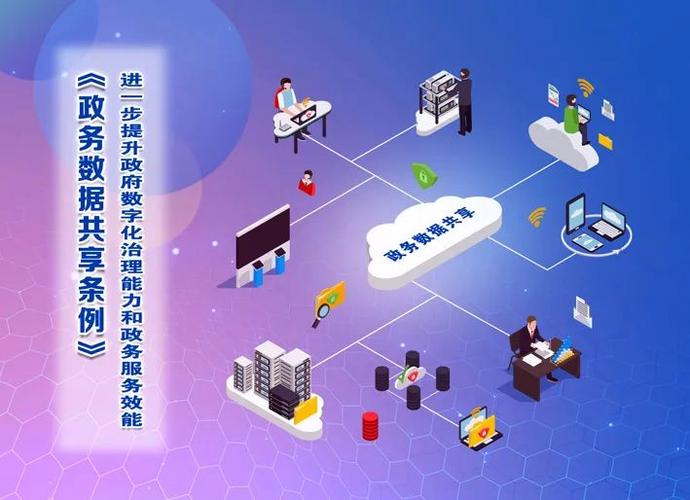
The platform for action for the promotion of big data development will fully facilitate the integration and development of big data into the vast mass of public information available to the government and will contribute significantly to the deepening and transformation of our e-government building and effectively address the above problems of open data-sharing that have plagued our e-government development for many years. Its role will be highlighted in three areas:
First, the development of large-scale government data can help to achieve e-government information-sharing and operational synergies, break information isolation, accelerate decentralization and transform government functions. In the context of big data thinking and application, the relevant departments will make every effort to advance the efforts and processes of e-government integration based on big data and integration, to introduce e-government building standards and platform standards through the development of big data technologies and opportunities for building national basic information databases; to rationalize regional, sectoral and intersectoral relationships and break the “information isolation”, to promote the harmonization of standard norms for information data interfaces, to move towards operational synergies and real-time data exchange, to improve overall e-government building, to effectively improve government effectiveness and to accelerate the transformation of government functions。
Second, the development and use of big government data has helped to increase the openness of key data related to economic and social development to social enterprises, promote mass entrepreneurship, innovation, and enhance the satisfaction of people and the effectiveness of e-government building. More useful data, which do not involve government secrecy and public safety, will be made available to society, institutions and enterprises in a timely and accurate manner, and will be better able to mobilize the participation of various social actors, so that the solid data will “live” and lead to the development and upgrading of the financial, transport, business, medical, geographic and other large data industries associated with these data, further improving the accessibility of people's lives, improving the level of social governance and improving the national governance system。
Thirdly, the development and use of large-scale government data has helped government departments rethink the definition of “information security”, enhance information security capabilities and build “network power states”. On the one hand, based on big data thinking and applications, government departments will revisit and define the meaning of “information security” and “data security” by a completely new rating of “information security”, opening up useful data that do not involve national security and public safety, reducing the “data burden” and “security burden” and improving the efficiency of government operations and delineating security boundaries. On the other hand, large data matching and modelling allows for better assessment of data security levels, development of data security protection defence models and systems, detection of information data security protection systems, further upgrading of e-government and network information security capabilities, and protection of internet power country strategies for full implementation. (director, e-government research centre, national school of administration)