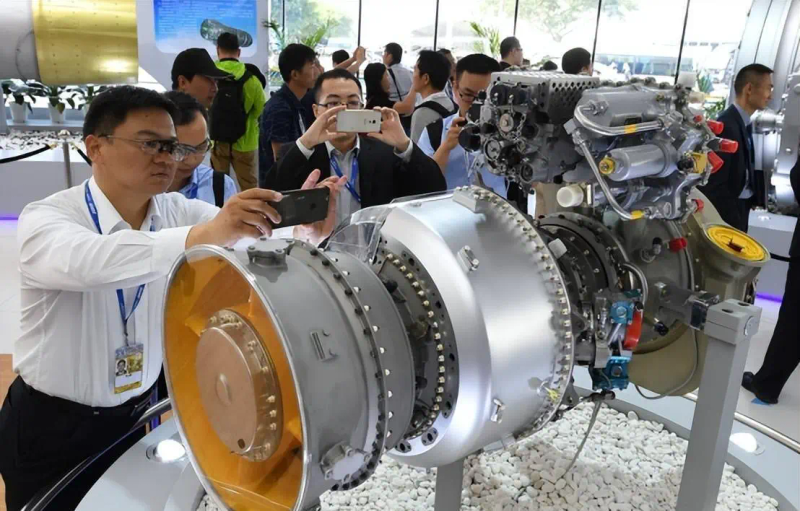
The u. S. Army has a new generation of vortex engines. Wen
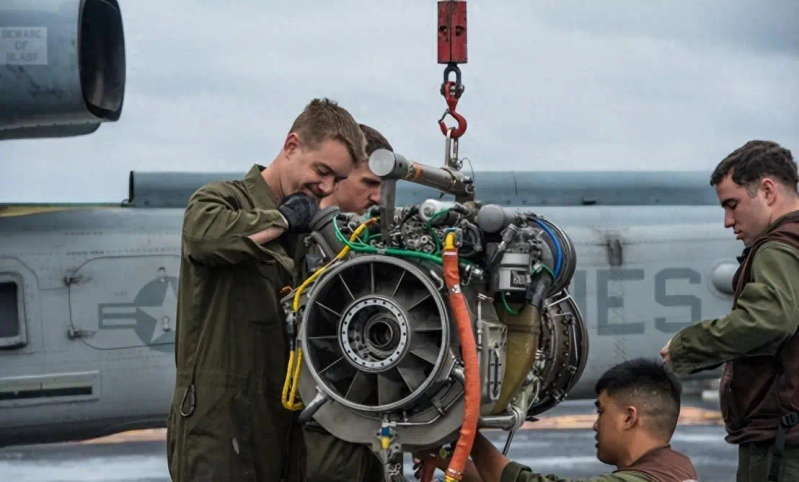
At the end of june, general electric announced an important development: they have successfully delivered two advanced t90ige 900 vortex engines to the united states army. The two high-performance engines are about to be deployed to the united states army black hawk helicopter for field testing. If the tests are successful, it is expected that the vortex engine will be used on a large scale to help the black eagle and apache helicopters to make a performance leap. For china, this is no doubt a warning signal, as the gap between china and the united states in the technology of vortex engines is likely to widen further。
In the case of china's top 10 vortex engines, the total weight is approximately 228 kg, with a rated power of about 1,600 kw, and an output of up to 2,000 kw in emergencies. This capability has already met the power requirements of the existing helicopters in the country and has laid the foundation for the future development of heavy helicopter gunships. However, compared to t90ige 900 in the united states, it is clear that our vortex 10 still has a long way to go。
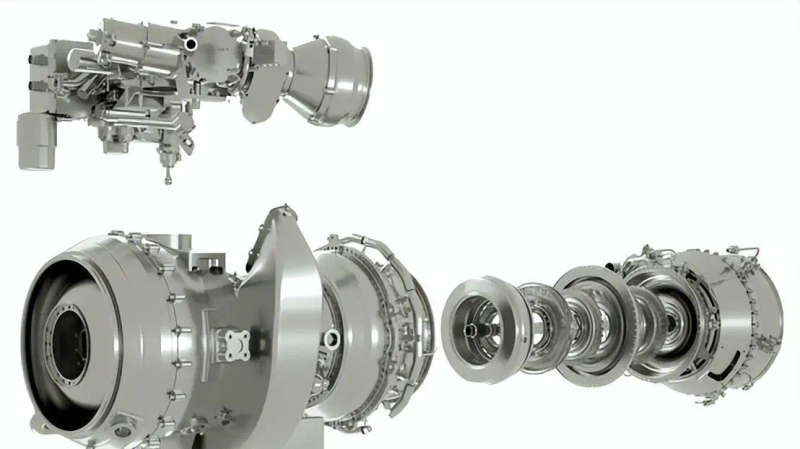
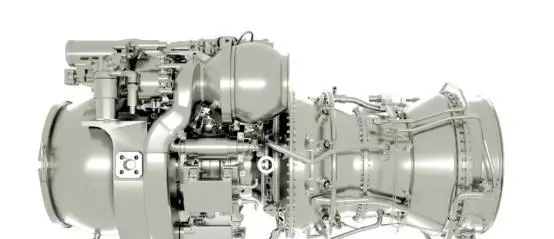
The performance data for t90ige 900 are impressive: it weighs only 204 kg, 24 kg less than the vortex 10, but its rated output power is as high as 2237 kilowatts, close to an alarming 3,000 horsepower, even exceeding the maximum emergency power of the vortex 10. Even more surprising, its fuel consumption is also excellent, with only 0. 206 kg of fuel consumed per hour, which means that our vortex 10 lags behind this new-generation vortex engine in the united states on three core indicators of weight, power and fuel consumption。
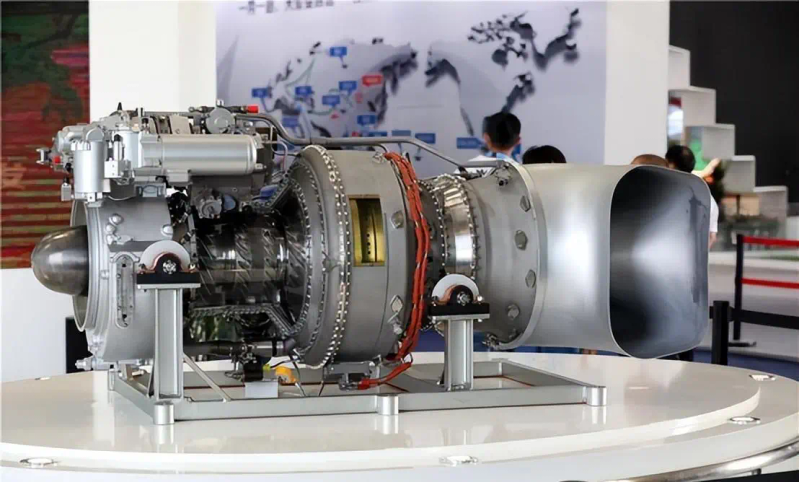
However, in the face of such challenges, we need not be overly pessimistic. In fact, the development of a fifth-generation vortex engine in china has been initiated and is steadily advancing. As early as 2010, we completed the project demonstration for the fifth generation of vortex engines, and in 2019 we successfully completed the overall programme design for one type of vortex engine. This new engine has been significantly increased in terms of weight, weight ratio and is expected to increase significantly the speed, range and payload of our helicopters in the future。
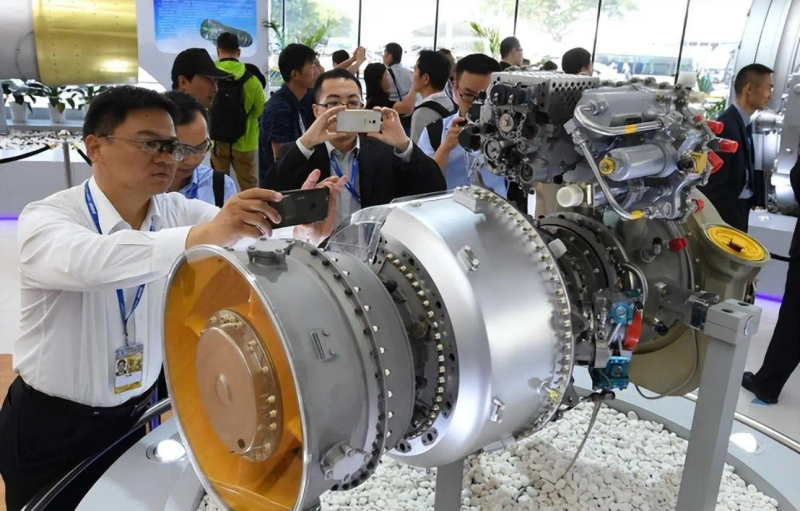
However, we must also acknowledge that we still have a gap with t90ige 900 in the united states in terms of engine fuel consumption, service life and reliability. The technological build-up and bottom-up of the united states in the area of vortex engines cannot be underestimated. To catch up, we need not only sustained efforts, but also greater innovation and new technological pathways。
It is noteworthy that t90ige 900 in the united states may have reached the performance limit of the turbine engine. In this context, we should perhaps consider the development of new technological tracks, such as exploring new types of aviation engine technologies such as recycle engines and tilt-shock engines. This would not only provide us with the opportunity to bend over, but would also contribute to the innovation and development of global aviation engine technology。