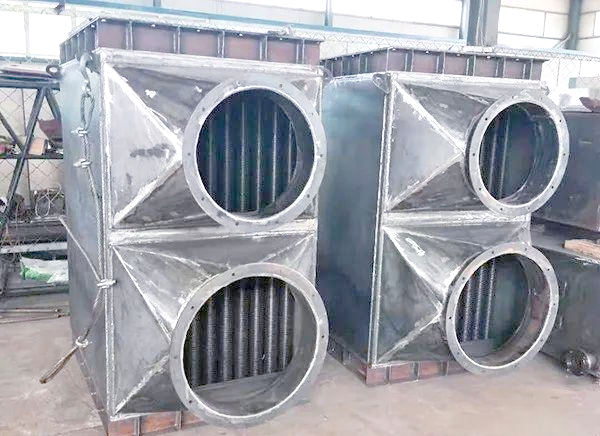
1. Efficient cpu radiators
In today's electronic equipment, the design of the radiator is critical to the equipment's performance. Cpu, known as the computer's “brain”, produces significant heat during its operation. If these calories are not distributed in a timely and efficient manner, this could lead to a decline in cpu performance and even permanent damage to hardware。
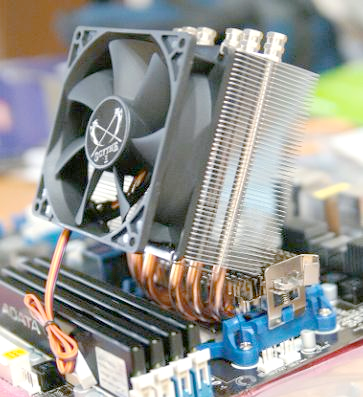
Thus, how to ensure efficient heat spread is a common challenge for designers. After careful observation, it is not difficult to find that many high-performance radiators have a long metal tube design that is the key component that we are going to explore in depth。
2.
The development of the hot tubing
The birth of thermal tube technology dates back to the middle of the twentieth century. At that time, scientists first introduced the concept of heat tubes。
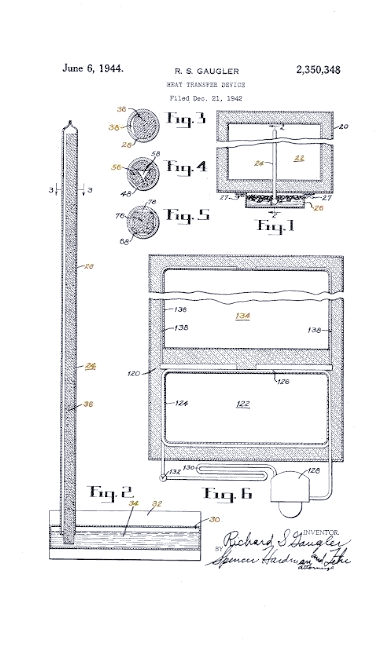
In 1944, r. S. Gaugler of general engines of the united states elaborated on the working principles of the heat tube in his united states patent (no. 2350348). However, his innovative idea was not widely recognized and accepted in the prevailing technological environment。
The rediscovery and naming of the heat tube:
In 1963, g. M. Grover of the national laboratory of los alamos in the united states independently rediscovered the heat transfer element and performed detailed performance tests. He officially named the heat transfer element “heat pipe”, making it widely known。

The first systematic elaboration of the thermal management theory:
In 1965, for the first time, dr. Cotter introduced a more comprehensive theory of thermal management, which provides a solid foundation for the subsequent study and development of thermal tubes。
Early practice of thermal tube technology:
In 1964, when the human race ushered in the birth of thermal tube technology, the laboratory of moscow in los ala, united states, successfully developed the first such tube in the world, marking the beginning of a new technology。
In 1967, the los alamos laboratory of sciences in the united states further placed an experimental water thermal tube into earth's satellite orbit, which demonstrated not only the remarkable performance of thermal tube technology but also provided a valuable practical basis for subsequent space thermal management research。
Thermal tube technology has developed in china:
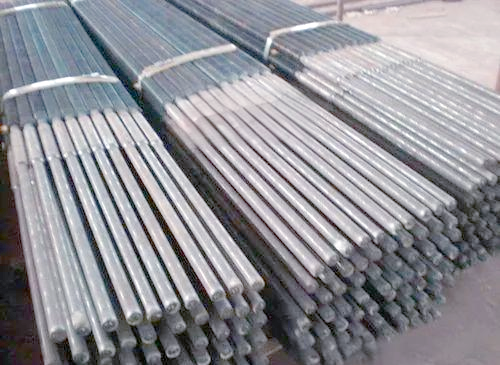
Since 1972, when the country successfully developed its first sodium-based heat tube, scientists have developed successively thermal tubes with ammonia, water and thermal conductor oil, further enriching the field of application of thermal tube technology。
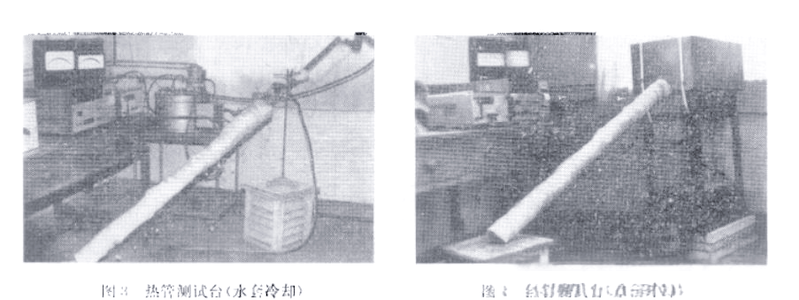
Broad application of thermal tube technology:
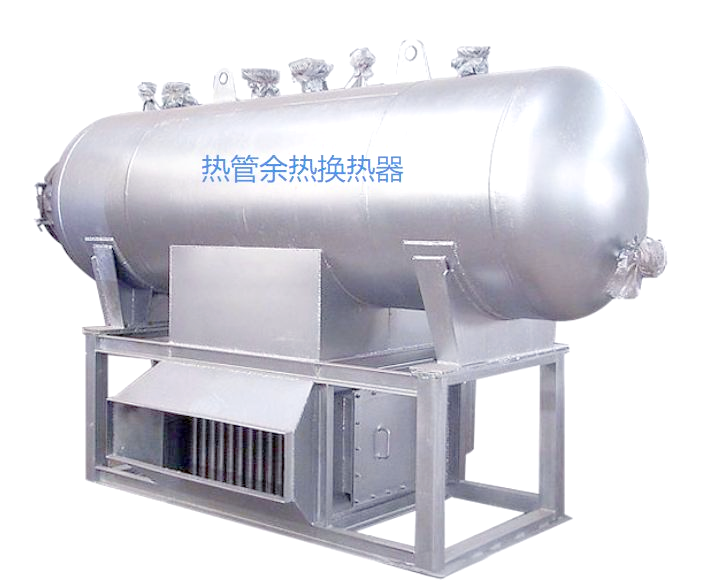
In the 1970s, thermal tube technology gradually infiltrated the medical field, and the cooling system of surgical knives began to adopt this technology. Subsequently, it was widely applied in the field of energy engineering. It is worth noting that some of the heat exchangers for residual heat recovery and air conditioning have been commercialized abroad。
Further development and industrialization of thermal tube technology:
During the 1980s, significant progress was made in the research and development of heat exchangers, with the emergence of new structures, such as revolving and separation, and the gradual development of these technologies towards industrialization and mega-development。
Diversification of thermal tube technology:
As thermal pipeline technology continues to develop, its applications have gradually expanded from space to ground applications and even to civilian products. In particular, microheater technology has developed rapidly in recent years and has been widely applied in areas such as electron chips and cpus for laptop computers。

3. Thermal and phase-to-heat introduction
The flow of heat depends mainly on three modes: heat conductor, current and radiation. Among them, the conversion of heat as an efficient way of changing heat has received considerable attention in recent years. By changing heat in phase, the heat can be transmitted efficiently between different substances, thus achieving the full utilization and effective control of the heat. The introduction of this technology has further broadened the scope of application of thermal tube technology。
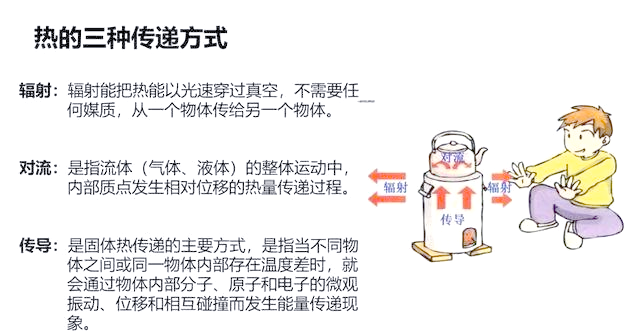
For equipment that pursues high-efficiency dissipation heat, the transformation of heat is undoubtedly an excellent way of transmitting heat. It covers the conversion process of the substance between solid, liquid and gaseous states, during which the substance is capable of dissimilarating at constant temperature when it absorbs or releases subheat。
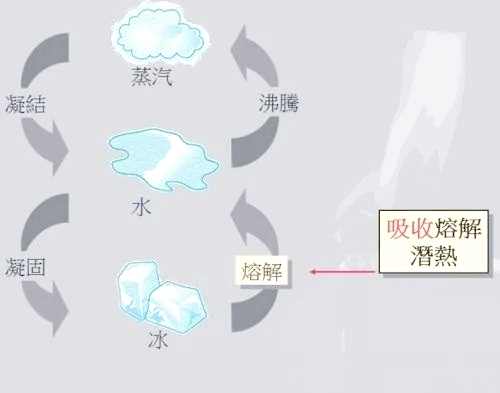
For example, evaporation and condensation of water involve a transformational process. When evaporated, the water absorbs large amounts of heat, which is released when condensed. Thermal tubes are based on this principle and are capable of transmitting heat quickly。
The principles of the heat tube
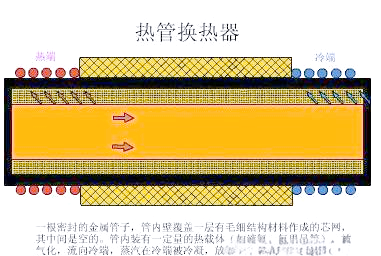
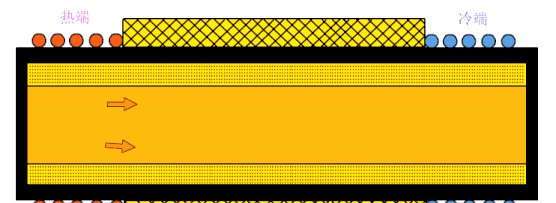
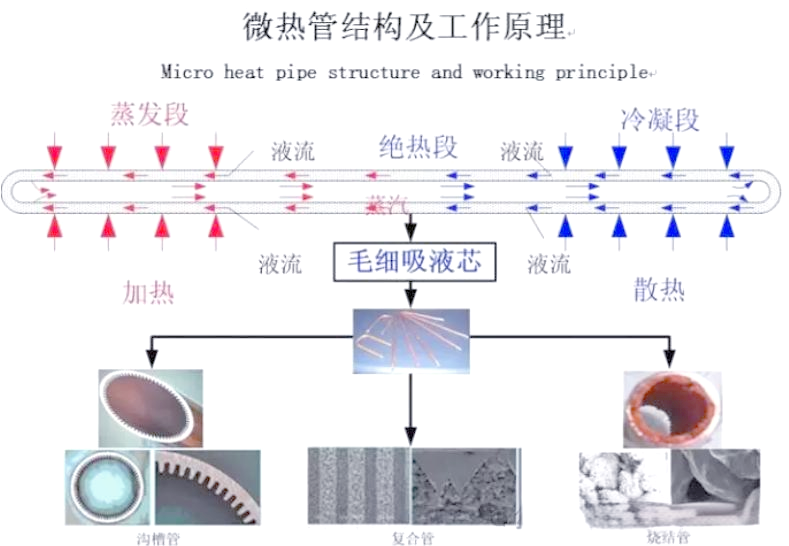
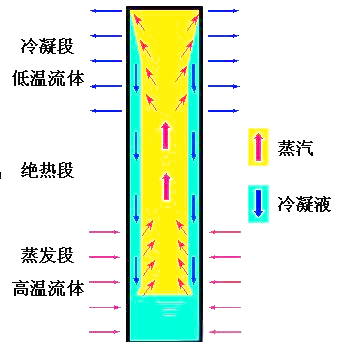
Thermal tubes are an efficient heat transfer device capable of transmitting heat from one end to the other at short notice. At its core is the combination of dissimilar and fine. Work fluids are filled inside the heat tube, which absorbs heat quickly and evaporates to gas when the heat input end (often referred to as evaporation segment) is heated. These gases then flow inside the tube, reach the cooling end (i. E. The condensation segment) and condensate into liquids and release the heat absorbed prior to their release. The liquid working fluid then returns to the evaporation segment by cavity or gravity, thus completing a complete cycle。
4. Thermal tube construction
The typical heat tube consists of three key components:
Shells: high-conductor thermal metals such as copper or aluminium are commonly used to ensure efficient heat transfer。
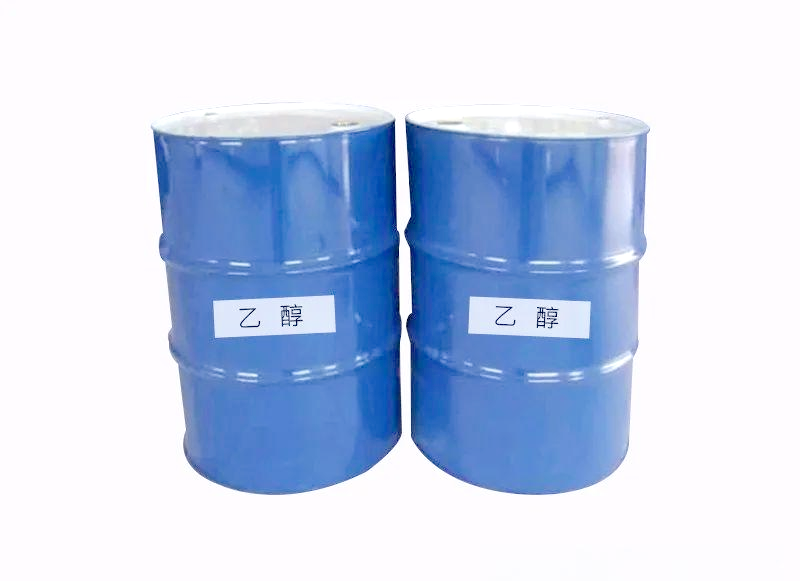
The choice of work fluids depends on specific application needs, with water, ammonia, ethanol, etc. Common。
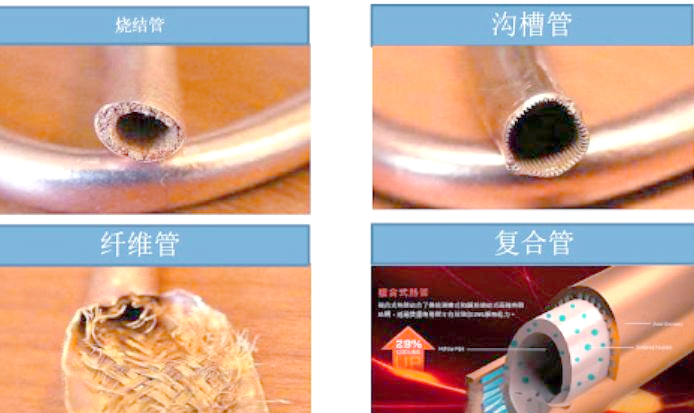
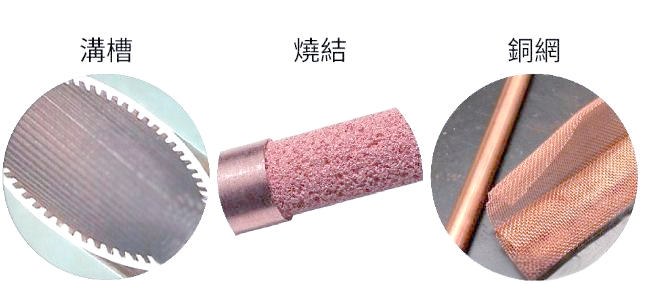
The pore-pore properties within a fine structure, such as sintering metals or finely woven webs, which use the fine forces to bring back the condensed liquid to the evaporation segment in a smooth manner, thus achieving recycling。
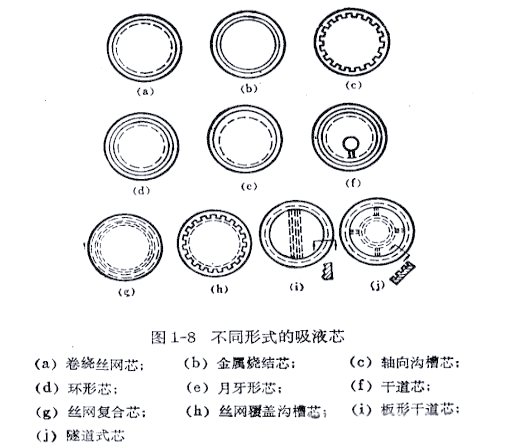
Diversity of thermal tubes
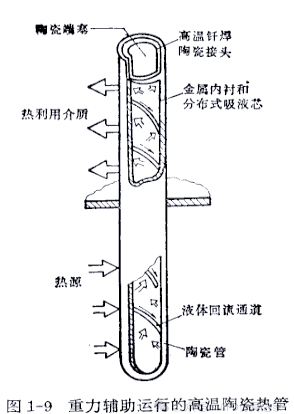
Thermal tubes have a wide variety of technologies, and the common type of thermal tubes includes axle-to-tow tubes. Thermal tubes are characterized by the presence within them of troughs extending along the axis, allowing the flow of liquids to flow back along these troughs, thus achieving efficient heat transfer and recycling。
Battery coring
The burning core heat tube, which is structured internally using a sintered metallic net, is designed especially for complex environments requiring multi-dimensional operations。
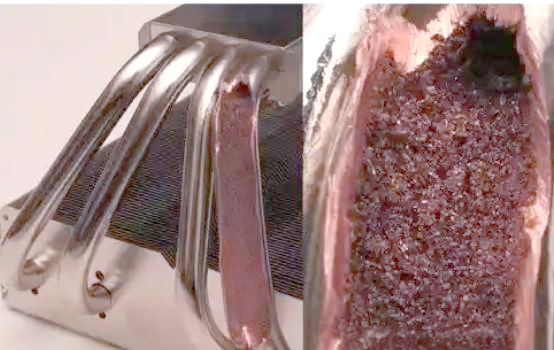
Gravity-aided thermal tubes, which operate on the basis of the return of liquids by the effect of gravity and are particularly suitable for vertical installation。
5. Thermal tube applications
Electronic equipment heat spread
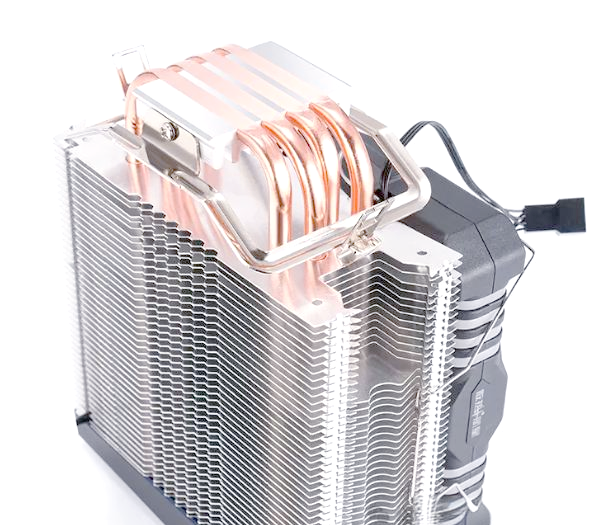
Thermal tubes are used very widely in the field of electronic heat dispersion, particularly in computer cpu and gpu radiators. Through thermal tubes, the heat can be transported rapidly from the chip to the dispersed thermal fin, thus ensuring the efficient dispersion of heat from the radiator and maintaining the stable working state of the equipment。
2. Thermal applications in aerospace
Thermal tubes play a crucial role in aerospace equipment such as satellites and space stations. Owing to the absence of air-to-dispersive heat in the space environment, thermal tubes are an indispensable means of achieving efficient heat transfer within the equipment. With heat tubes, the heat of the heat-producing components can be transferred effectively to the dissipated surface, thus ensuring that the equipment remains stable under extreme temperature conditions。

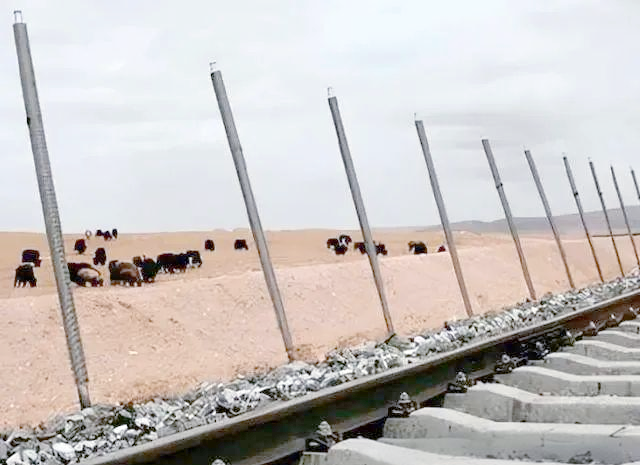
3. The issue of frozen soil in the tibetan plateau
The freezing of the tundra of the thawing plateaus, which freezes in winter and starts to melt in summer, poses a considerable challenge to the safe operation of railways. As a result of unstable changes in the tundra, the railway base is subject to uneven deposition, which in turn raises the risk of deformation and even collapse of the railway tracks。
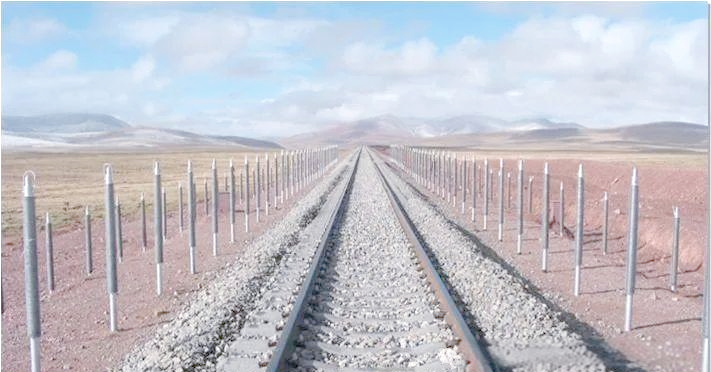
The use of heat rods is an important response to the problem of frozen soil in the tibetan highlands, which is aimed at ensuring the stability of the railway base and thus ensuring its safe operation. This technology not only contributes to environmental protection but also has significant economic benefits。
4. Thermal application in building heating and industrial equipment
Thermal tube technology plays an important role in the area of heating of buildings and can effectively improve the efficiency of air conditioning and ventilation systems through energy recovery. At the same time, with regard to industrial equipment, thermal tubes are also widely used for heat dispersion and cooling in high-temperature environments to ensure stable operation of the equipment。