In indoor design, light is one of the key elements in shaping the space environment. In recent years, there has been a growing interest in lighting that combines modern aesthetic and functional functions, the laser projector. Especially in a home environment that pursues a practical and aesthetic balance, the design style, centred on the concept of simplicity, is well aligned with the characteristics of laser projectors. Such lamps do not simply provide lighting, but rather inject unique visual language into space through light patterns and patterns。
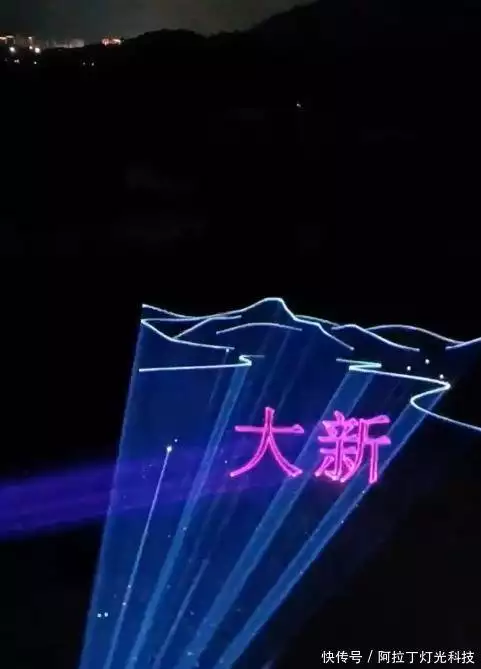
The operation of laser projectors is based on beams sent through semiconductor lasers, integration and regulation through optical mirrors, which ultimately project clear patterns or text onto surfaces such as walls, ground, etc. It differs from the innovation of traditional lamps in that its core function is to project images rather than " bright areas " . This feature makes its application more focused on decorative and contextual construction。
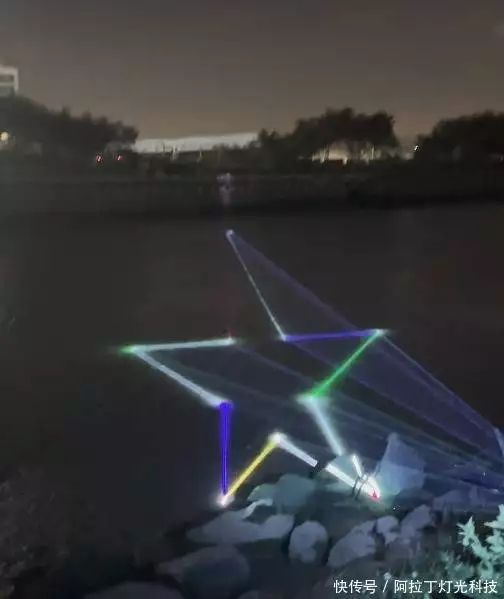
Combining this technology with a “simplistic style” creates a unique aesthetic orientation. Simplicity is not a simple reduction, but rather an emphasis on removing redundancies and focusing on the fluidity, pureness and functionality of lines. The laser projector just happens to paint the beauty of this condensation with light. It does not need to be complex physical, and it can be designed with a single light, which is in line with the “less or more” philosophy of simplicity。
In specific applications, laser projectors can bring multiple changes to the home environment。
First, it makes the decoration extremely simple and dynamic. Traditional wall decorations often rely on paintings, wallpapers or various kinds of decorations, which occupy space and are difficult to replace. A laser projector can project a light drawing on a blank wall, which can be a static geometric, natural image or a slow-changing dynamic light. When not needed, the power is turned off, the walls are cleaned up and space is free. This type of “light decoration”, which can be replaced by writing, greatly increases the flexibility and freedom of space and is well known for the condensed style of space preservation and flexibility。
Second, it can create an immersive atmosphere. The colour, brightness and pattern of light are important elements that affect emotions. By adjusting, laser projectors can easily switch the thematic atmosphere of space. For example, during rest periods, the projection of a soft, dark blue waver light can help to create a calm and relaxed environment; when friends meet together, it can be replaced by a group of rhythmic hot spots, which can add to the comforting atmosphere. This way of defining space functions through light rather than physical piles is a high-level manifestation of a condensed style in the creation of circumstances。
Third, it has both a practical function of guidance and beautification. In some of the condensed spaces that focus on the design of kinetic lines, laser projectors can project soft arrows or routings on the ground, providing clear visual guidance and a greater sense of design than frequent nightlights. At the same time, the projection of a thin light at the side of the stairway, at the bottom of the cabinet can serve as both a security alert and highlight the line structure of the building, enhance the sense of the hierarchy and stereo of the space and make the light itself part of the building。
Several points need to be addressed when selecting laser projectors for a simple space. The first is the style of projection content, which should give priority to simple, abstract and far-reaching drawings, avoiding images that are too specific, complex or cartoon to ensure consistency with the overall environment. The second is the quality of the light, which requires that the projecting pattern edges be clear, evenly smooth, and pure colour, and that the ambiguity and dispersion generated by the poor quality products destroy the precision of space. Finally, the ease of installation and manipulation, with well-designed products that are easy to hide, and easily adjust switches, patterns and brightness by wirelessly ensuring that technology does not disturb the quietness of life。
The integration of these lamps represents a shift in household lighting from “lighting space” to “shaping space”. It is no longer an isolated luminescent, but is part of architectural thinking. It decorates excess physical decorations with light, enriches the static expression of space with dynamic changes and achieves more pure aesthetic pursuits by technological means. In a simple space where the presence of each item is considered, the laser projector, with its intangible presence and strong expression, proves that light can be an appropriate “furniture”。
Of course, any technology needs to be applied proportionately. The laser projector is the pen of the space, not the hero. It needs to live in harmony with the whole color, material and furniture configuration, and to avoid overstretching or crowding. Ideally, when it lights up, people can feel the delicate rise in the atmosphere; when it goes out, space remains intact。
In sum, laser projectors offer a new possibility for a simple design. In the lightest way, it adds emotional temperature and artistic dimensions to the living space, allowing light to tell rich and quiet stories within the framework of simplicity。
The articles are summarized below:
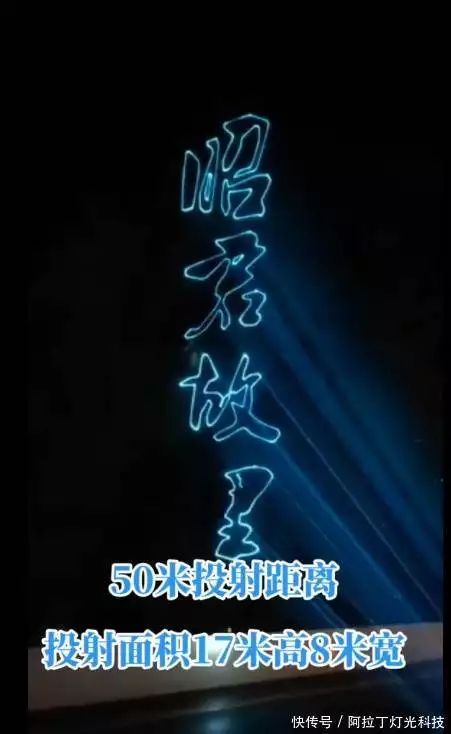
1. Laser projectors create an atmosphere by projecting a clear pattern, whose “lighted” characteristics are highly compatible with the core philosophy of removing redundancies and focusing on retention and flexibility。
Its application in a condensed space has been found in three main areas: the achievement of a very simple dynamic decorator that can be transposed, the creation of an immersion-like scenario, and the enhancement of space lines and hierarchy through optical guidance, with both aesthetic and practical functions。
3. When selecting and applying, attention should be paid to the abstract simplicity of the projection content, the quality of the light itself and the ease of installation of manipulation, ensuring its harmonious integration into the overall environment as a design element, serving the shaping of the space atmosphere rather than mere showmanship。