


The foundation for keeping families safe is to ensure that electricity is safe, and any minor oversight is likely to trigger an electrical fire or electrocution. In particular, in normal life, many people use electrical appliances without inspection, making some aged equipment and bad habits a safety hazard. Access to appropriate electrical information not only avoids loss of property, but is also highly responsible for the lives of themselves and their families. And just today, we're going to explore a few key questions about safe electricity。
What are the common concerns about safe electricity use in households
The need to regulate daily habits and to be vigilant is key to safe household access to electricity. Professional electricians must be allowed to perform electrical improvements and installations, to choose a 3c-certified and qualified product, and to be determined against private exploitation. In the day-to-day situation, it is strongly prohibited to touch electric switches with wet hands or to insert power plugs. The power plugs should be removed when the appliances are in use, so that they not only save electricity, but also eliminate fire hazards while on standby. Special attention should be paid to the fact that a plugin does not have simultaneous access to multiple large power appliances, such as electromagnetic furnaces and electric kettles, to prevent overloading. When equipment, such as electric heaters, is used, it must be kept away from the curtains and flammable items such as bedding。
How to prevent electrical accidents and provide first aid
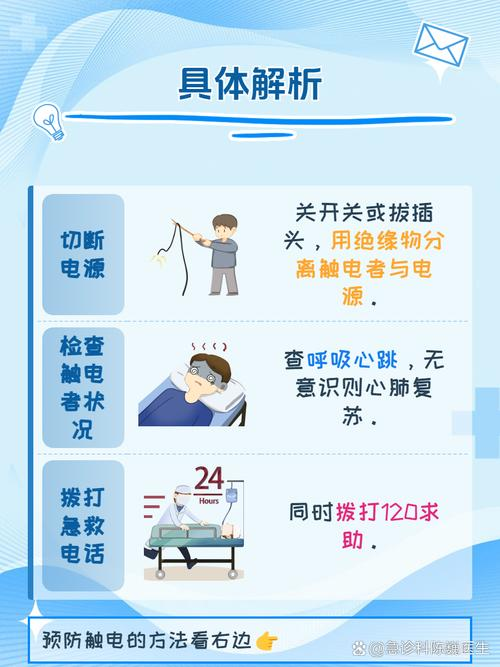
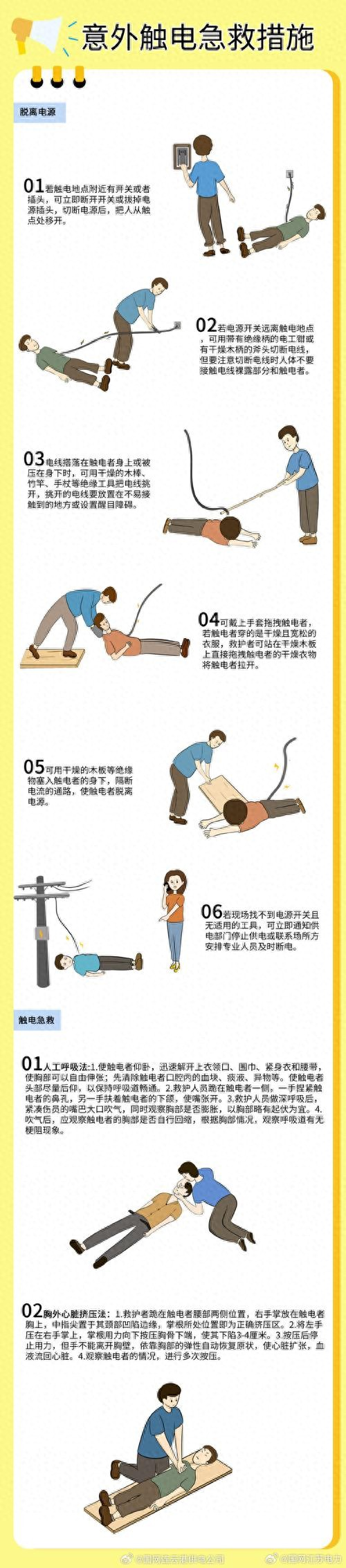
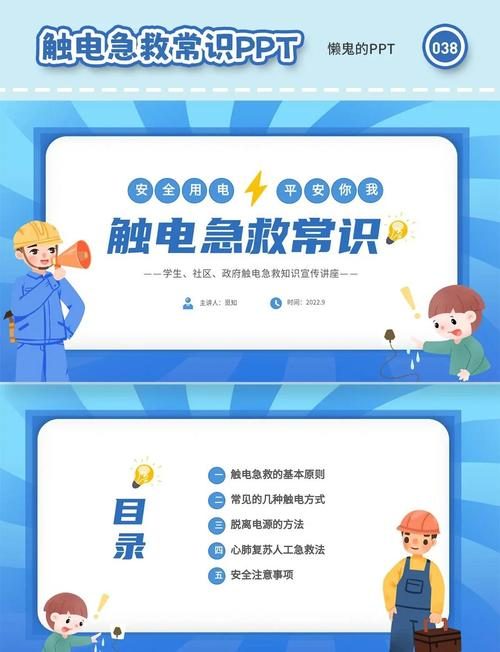
Accident prevention and correct first aid are critical elements for electrocution. The electrocution of voltage often covers single-stage electrocution in direct contact with the fireline, combined with the two-stage electrocution of the two firelines, as well as the trans-step voltage electrocution caused by the movement of high-pressure equipment into the vicinity of the ground. The basic precautions are to ensure that electrical metal casings are reliably connected, that qualified leak protections are installed at home and that the test buttons are tested on a monthly basis. Once you find someone with electrocution, don't pull it with your hand. The right approach is to quickly pull the switch on the power, or to remove the wire from the power by lifting it with a dry wooden rod. Immediately thereafter, the first call was made, and if the person who had hit the electricity stopped breathing and beating his heart, there was an alternation of oral artificial respiration and chest pressure。
How electrical fires should be prevented and rescued
Preventive initiatives targeting electrical fires focus on eliminating hazards. The inspection has to be carried out on a fixed cycle, and if the wire is ageing and the insulation is broken, then it's time to replace the wire with old or broken. When power is replaced quickly, every effort must be made to prevent loads beyond normal range and, in general, power must not exceed the capacity required for meters and circuits. In particular, remember: the large-scale power outages such as the blackout in san francisco, united states of america, and the luminaries, often due to abnormal pressure from the grid, also point to the importance of daily maintenance. For household appliances that have been in use for more than 8 to 10 years and are known as “ages”, if they have an abnormal fever and acoustic conditions, they should be considered for elimination and should not be allowed to operate “with disease”. When electrical equipment is on fire, the first criterion for rescue is the rapid cutting of the total power supply. Until the power has been cut, water or foam extinguishers are strictly prohibited for the purpose of rescue, or else they may cause electrocution. Dry powder extinguishers or carbon dioxide extinguishers should be used, and dry yellow sand cover may also be used to extinguish fires。



