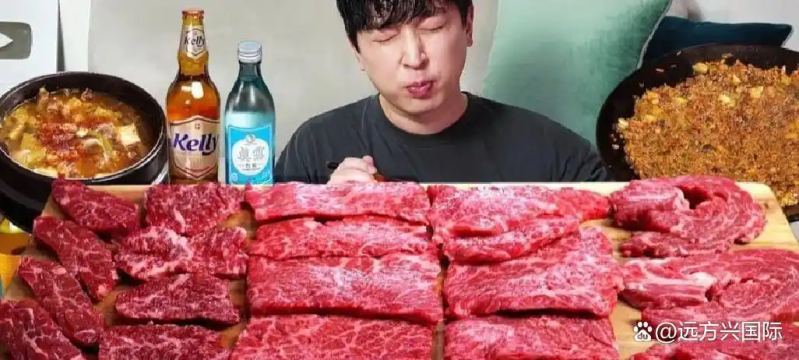
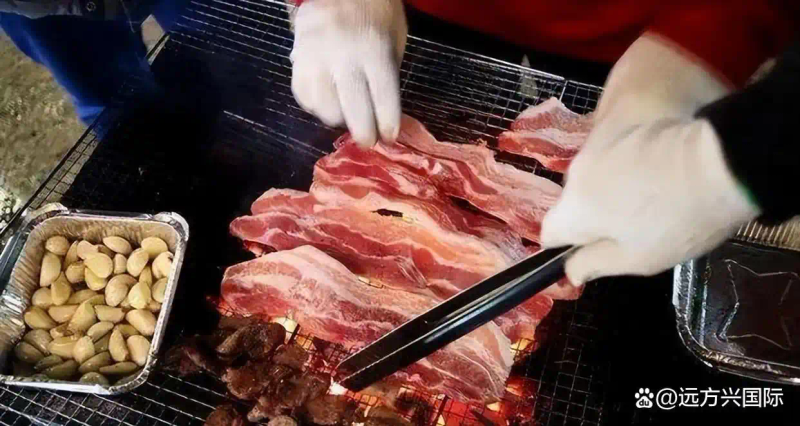
Half a watermelon and a big mouth to eat. It's a chinese summer night ceremony. Can you imagine, in korea, a watermelon is sold on a piece, expensive as gold? A piece of melon, almost worth a fast meal. More ridiculously, beef is sold at a price of 200,000 won, converted into rmb, or 1,090 yuan. A pound of beef, $500. If you want to buy a decent barbecue, you have to plan the budget ahead, like a luxury trip. Some laugh that once a year in a barbeque, life is instantaneous。
So the question is: can they afford it? How are they
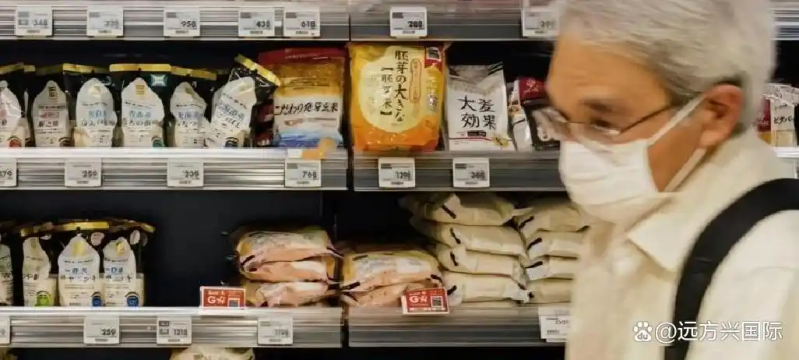
In korea, where monthly wages are so easy, watermelons are a luxury and beef is a rare visitor to a feast. Even more important is the fact that even rice is worth a few dozen pounds, which is the fourth highest price in the world. In the eyes of the seoul white collar, which has worked late, beef is no longer just a protein supply, and it becomes some kind of remote symbol. One luxury, one that doesn't seem worthy of being “simple happiness”。
Behind them are resource constraints. Korea's terrain, as you can see from the map: two thirds of the land is mountains, and there's so little arable land. One hundred and fifty-eight thousand hectares are divided into only one acre per person. It's also a theoretical value, and it's even less viable to grow. Korea has a population of 50 million, and it's not big enough to give it to anyone. Growing rice, growing vegetables, raising livestock is more difficult than growing land, let alone raising cattle。
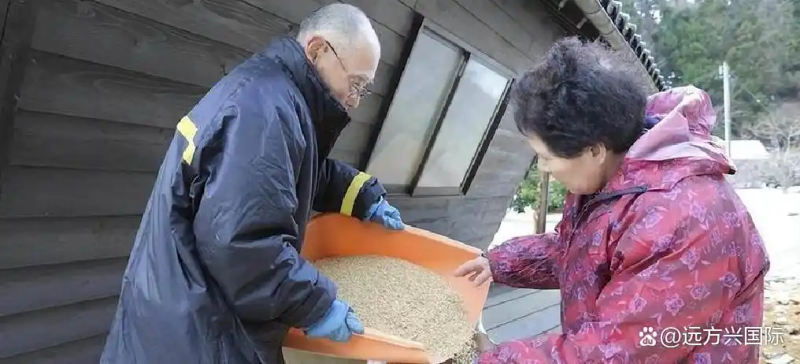
Is there only a small number of people? Oh, no, nobody wants to do agriculture. From land to cattle breeding, there is a risk of disease control behind dirty work and work. And the young? They'd rather work for modern, tristars in the cement forest in seoul. In korea, “farmers” are almost a low-end version of social identity. And the "semiconductor" is the real "best." to go back to the country to grow their own land, no one wants to choose, subsidies, policies, slogans, and not to return to their footsteps。
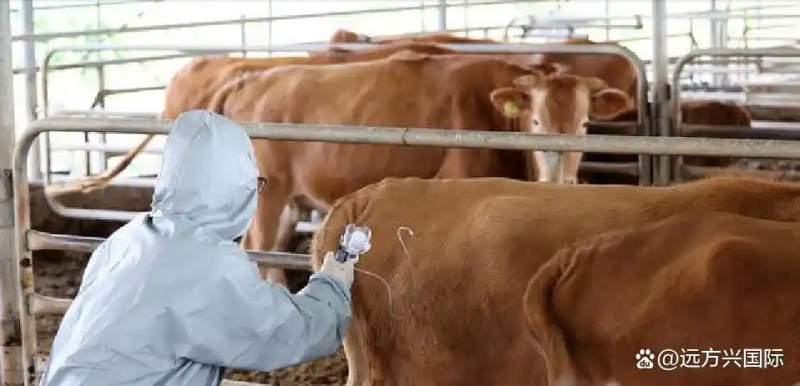
So, the korean livestock industry is so “disguised”. Pork and chicken are the main force for filling, and the production of beef is as small as the crumbs of cookies. In 2022, the republic of korea produced 4. 3 million tons of livestock and only 700,000 tons of beef. And china? In 2024, 7. 79 million tons of beef alone were produced, 10 times more than in korea. The people who want to eat and the amount that can be supplied are far worse. The price of meat soared. The logic of the market is never cruel: supply is less than demand and prices are naturally high. It's like you open a small restaurant with only 10 bowls of noodles, but there are 100 customers standing at the door. Don't you dare tell me it's not high
What about imports? Sounds like a simple solution. On the international market, beef is only $7 per kilogram and more than $30 per kilo in china. It's so cheap. South korea's leaning on imports. But it's useless. Korea's imports of food, meat and fruits are subject to strict quota restrictions and daily tariffs when the quotas are exceeded. Punitive tariffs amount to violence. The excess quota of rice is 51. 3 per cent, and starch is more exaggerated, 800 per cent。
That's the logic, isn't it? On the one hand, it is a public consumption dilemma and on the other hand, artificially constructed barriers to trade. Why not open the door for business? Because korea is worried. What happens when indigenous agriculture is wiped out by low international prices and no land is planted and no cattle are raised? Then there will be a war, international sanctions, and 50 million korean food problems
However, this protection has pushed agriculture to another extreme. The native cattle industry is monopolized by a number of major companies, from raising to marketing, almost a closed ring. They stare at the price curve and say it rises, and consumers are powerless to resist. A little cultural marketing is even better: the korean cow, a concept that labels japan and the cow, makes the meat cultural proud and eats it as an identity symbol. A korean bull has become a consumption label linked to the "prosperity" of patriotism. So, it's not expensive, it's a bit illusory. The people are overstretched in their pockets and still pay for the “priced” perception. This cycle is absurd but logical。
One country, a small territory, has a scale. One is food security and the other is consumer demand. 50 million. Can you hold on to this? Eat well and eat well without fear of losing the supply. No one can answer that easily. Can life really be “capable”? Who dares say that