


Reasons for haze at 01
The formation of haze is a complex issue involving multiple factors. Essentially, it is the combined effects of high concentrations of air pollution and specific weather conditions. In order to understand in depth the sources of haze, we can put it in two main areas: the source of human pollution, which is the underlying cause of haze, and the meteorological conditions, which act as a catalyst。
> human sources
Man-made sources of pollution, i. E. Pollutants from human activities, are the material basis for the fog. These sources can be grouped into the following categories:
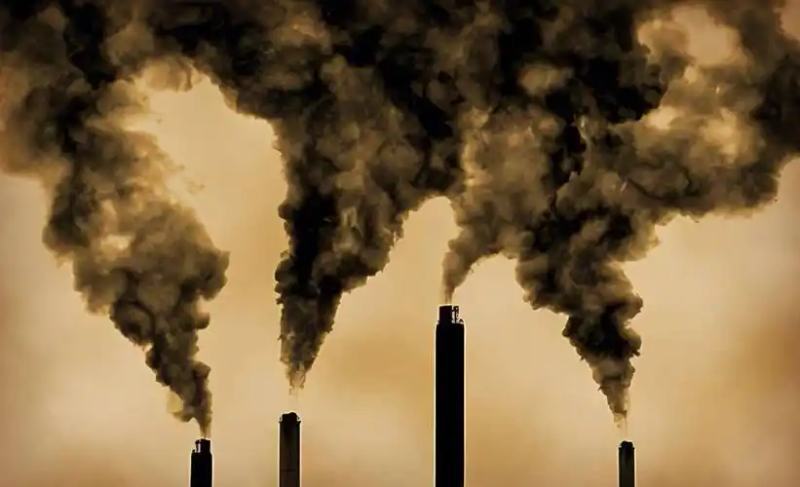
Emissions from coal combustion
The industrial sector is the main site for coal combustion, especially for fire power plants, iron and steel plants and cement plants, which in the production process can release large amounts of sulphur dioxide, nitrogen oxides and dust, which are important sources of haze formation。
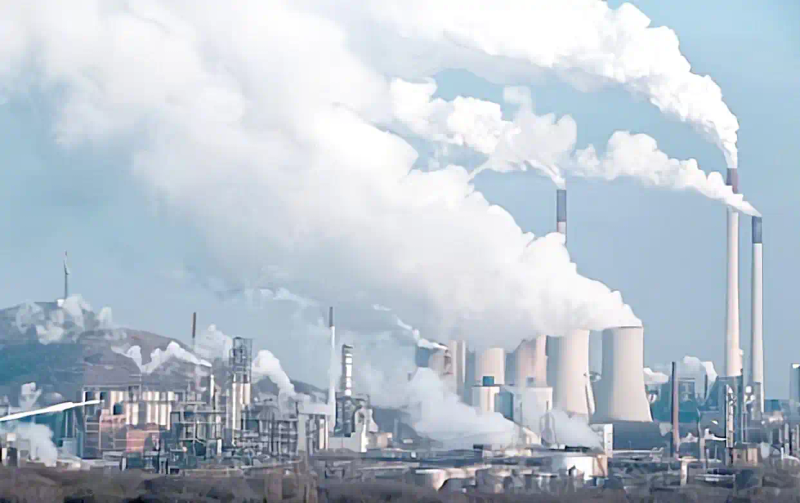
Winter heating: central heating is often used in the northern regions in winter and is often dependent on coal-fired boilers. As a result, emissions of pollutants will rise sharply in winter due to increased heating demand。
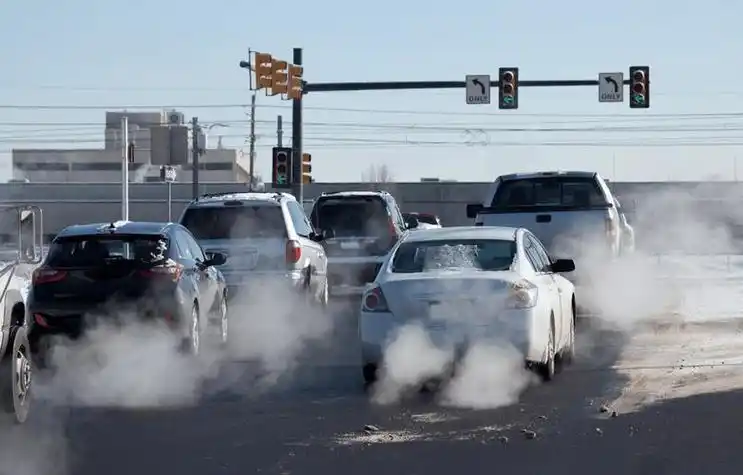
Motor vehicle tail gas problem
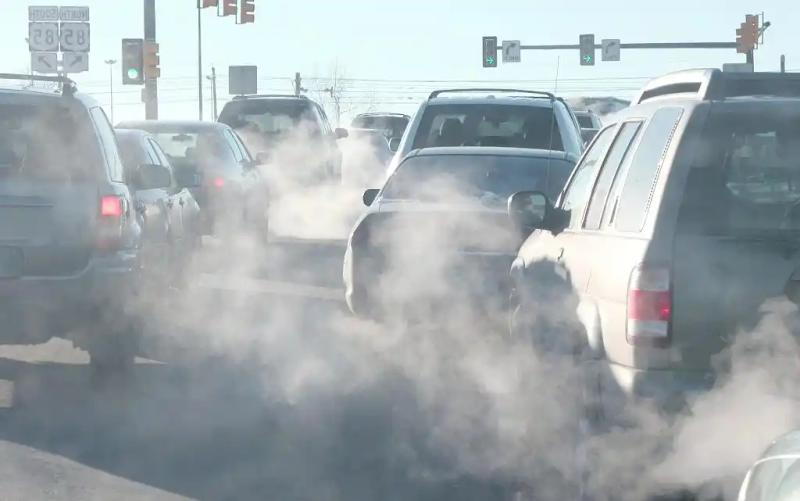
In winter, vehicles, especially diesel trucks and small cars that partially emit substandard amounts of nitrogen oxides, volatile organic matter and fine particulate matter. After a series of complex photochemical reactions in air, these tail gas components are transformed into secondary particles, thus becoming one of the main sources of pm2. 5。
Industrial pollution sources
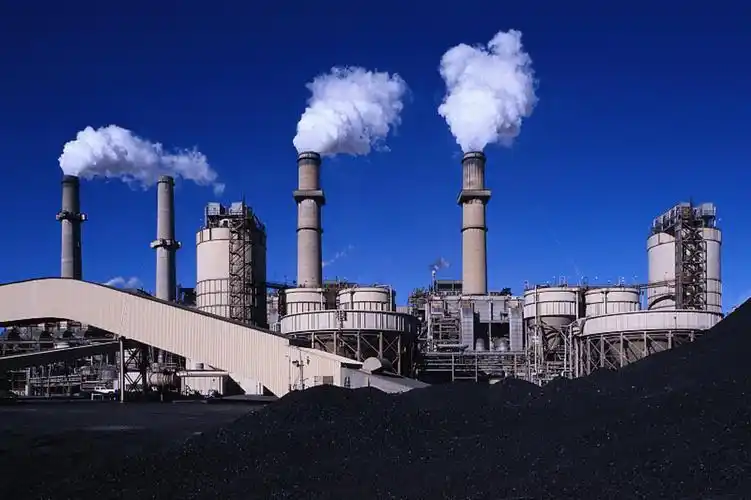
Large amounts of volatile organic matter, toxic and harmful gases and dust are released during industrial production processes such as petrochemicals, spraying, printing and chemical manufacturing. These pollutants are released directly into the air, with serious environmental impacts。
Construction and road dusting
The large number of construction sites, demolition sites and bare earth piles in the cities, without effective coverage, will increase the amount of dust. At the same time, the dust produced by wind erosion of egyptian soil carried along the road by vehicles is an important source of particulate contamination。
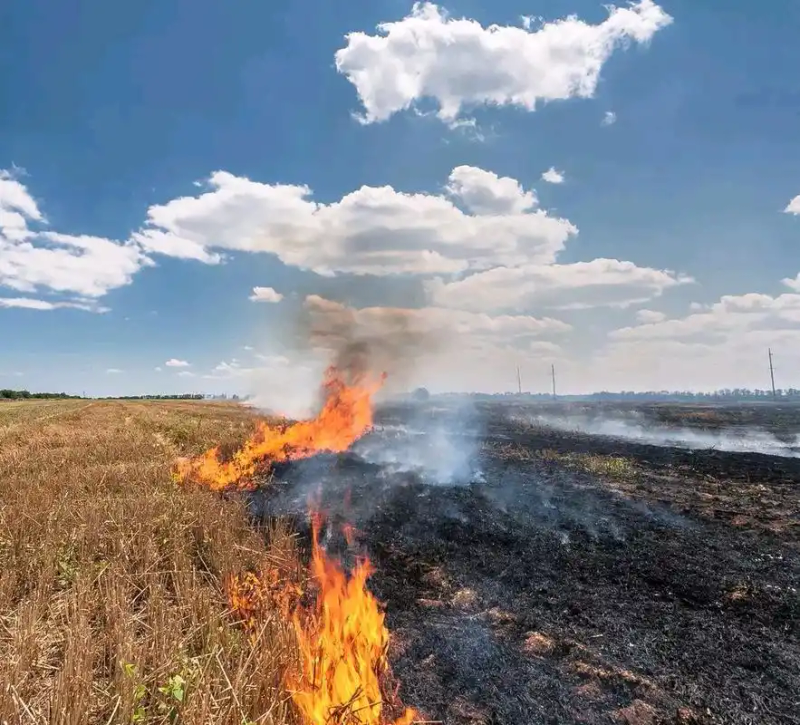
Emissions from rural areas
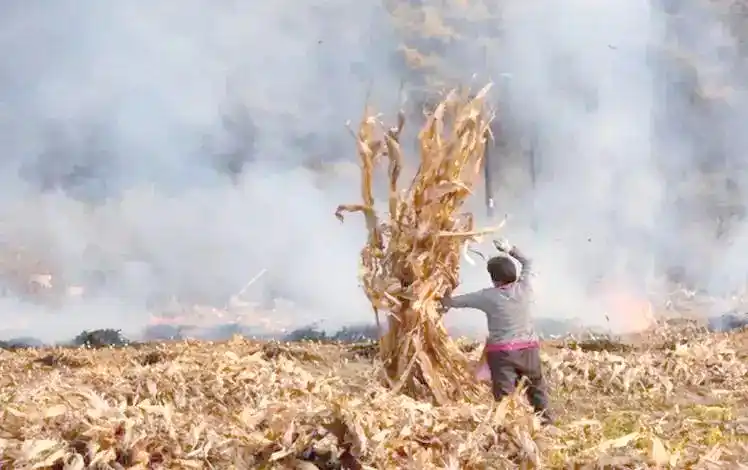
Stitch burning: in times of crop harvest, farmers tend to choose large-scale burning of straw, which releases large amounts of contaminants in a short period of time。
Fertilizer pollution: in the agricultural production process, widely used amino fertilizers volatilize ammonia. This ammonia gas is an important precursor to the formation of secondary inorganic particles such as ammonium sulphate and ammonium nitrate, which pollute the environment。

> meteorological and geographical conditions
Contaminants are present, but the formation of haze also requires specific meteorological and geographical conditions, as does the need for proper cooking pots and fires。
Steady weather
Steady weather is a decisive meteorological factor in the formation of haze。
High humidity environment
In a highly wet environment, pollutants in the air, such as sulphate and nitrate, absorb moisture and swell, leading to increased haze concentrations and further decreased visibility. This is also why fog and haze often occur simultaneously。
Special terrain effects
In beijing, for example, it is surrounded by the mountains of taipei and yan, creating a geographical pattern similar to that of “single”. When the southern winds prevail, contaminants are blown to the foot of the mountain, which is difficult to disperse, thus increasing the accumulation of haze。
In short, the formation of haze can be attributed to two main factors: anthropogenic emissions (principal factors) and adverse weather conditions (e. G. Calm weather) (minor factors). Therefore, the management of haze also needs to begin with both aspects. On the one hand, emission reduction measures fundamentally reduce sources of pollution, such as restructuring energy, upgrading industrial technologies, controlling motor vehicle emissions, and, on the other hand, early warning using meteorological monitoring and air quality forecasts to take effective measures to reduce pollution peaks under adverse weather conditions. Through a combination of these measures, we are expected to understand and respond more comprehensively to the haze problem。



