Zero-one structural reinforcement background
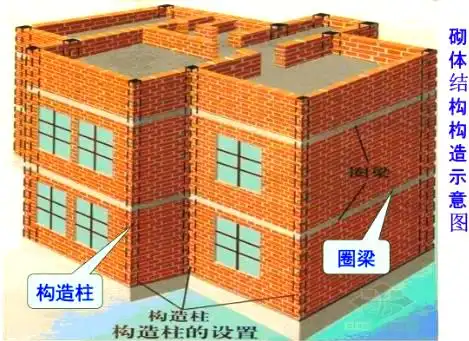
Prior to the build-up, the relevant norms and standards need to be carefully reviewed to ensure accuracy and compliance. These include design, construction and acceptance, which provide important guidance and a basis for follow-up. The structure of the building, which is the main absorbent component of the building, is characterized by the ability to save cement and steel bars, thereby reducing overall construction prices. However, its carrying capacity is relatively low compared to the concrete structure of steel. As a result, in actual works, the structure of the body often needs to be reinforced。
Structure strengthening method
Steel reinforced concrete layer
The consolidation of condensed concrete layers, commonly referred to as the fence wall, is a method that is widely applied in building structures. By adding reinforced concrete layers to the walls, the wall can be significantly more resistant to pressure and shear loads, while enhancing its impenetrable and seismic properties. The act is simple and has mature design and construction experience. However, the longer wet working hours on the ground may have some impact on production and life and, if reinforced, lead to a reduction in the size of the building。
Cement slurry layer reinforcement
Cement slurry layer reinforcement, as a composite cross-section hardening, has advantages similar to those of steel condensed concrete layer consolidation, but is somewhat less than the latter's ability to increase carrying capacity. This law applies, in particular, to the reinforcement of walls. It enhances the resistance to pressure, shear loads and is flexible in construction, including spraying or hand-painting. If short glass fibres are added to the cement slurry, composite materials with high tensile strength and fracking properties can be created to further enhance the reinforcement, both economically and easily。

Concrete extension
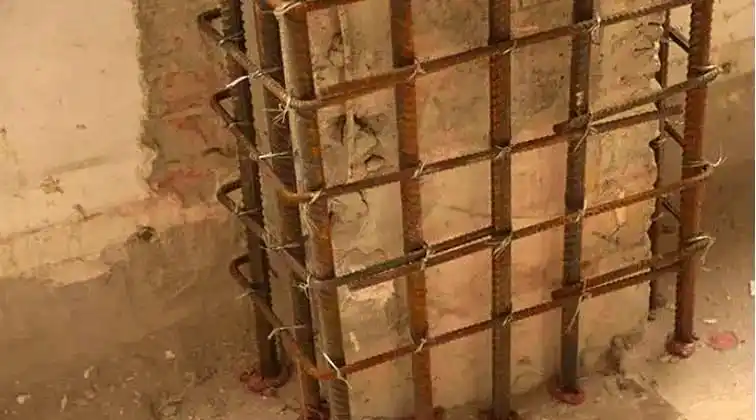
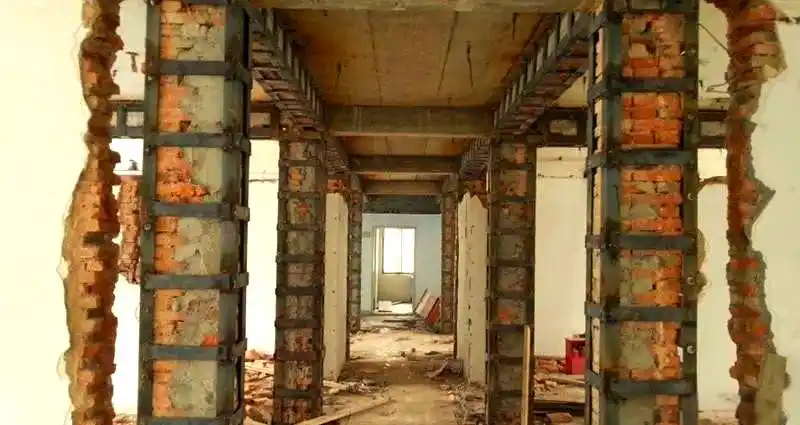
Concrete amplification is an effective strengthening method. The cross-section area of the column can be increased significantly, thus increasing its carrying and deformation capacity, by setting up a reinforced concrete or barbed slurry encircling around the column. In its application, the method of consolidation is commonly used in the form of reinforced concrete, including on the side with reinforced concrete layers and around-the-board reinforced concrete。

Sides and concrete reinforced
When the bricks are significantly bent, concrete is usually added to the pressured side or both. Increased integration through connectivity of spasms or swelling bolts ensures that old and new pillars work together. In addition, the bricks of the original pillar are removed every 300 mm so that concrete can be poured back into the brick pillar。
Outsourced concrete reinforcements around
The effect of outsourcing concrete reinforcements is significant, particularly in the case of brick columns with a pressurized axis and small ecstasy, especially in terms of carrying capacity increases. Constraint deformation by closed bands can be reinforced by slurry, but not less than m7. 5。
Outsourcing steel reinforcement
Outsourcing steel reinforcement, also known as wet outsourcing steel reinforcement, effectively boosts the carrying and anti-conformity capacity of the pillars by packaging steel around brick bars or in particular corners. However, it does not apply to high temperature environments and uses large quantities of steel, especially for brick poles that do not allow for a significant increase in the cross-section size of the original component in their use, but which require a substantial increase in carrying capacity。
Tightening
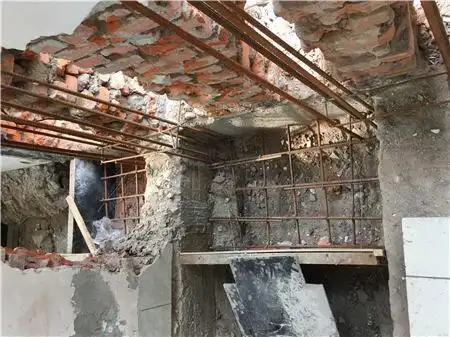
The build-up reinforcement method is used primarily to replace parts of the build-up wall that have serious defects or cracks. Prior to implementation of the transfer, the necessary roofs for the original component are required to ensure safety, the material intensity level used must not be lower than the original design requirement, and the slurry strength is recommended to be increased to one level to ensure reinforcement. Brick-filling is an important step in this approach and can further enhance structural stability。
Magnetic fibre material reinforced
In the reinforcement of the structure of the body, external visco-fibre materials, especially fibre-enhanced composites, play a critical role. This method is primarily used to strengthen the anti-critics of the column, either by pasting around the building block in a circular form or by applying a u-form to the two sides and the bottom of the beam. In addition, the reinforcement of the anti-shock wall is dependent on this material, which can improve the ability to cut and resist earthquakes。
02 rational selection and application
In the face of different structural reinforcements, we need to make reasonable choices on the basis of reality. Each of these approaches has its own applicable scenarios and effects, and therefore the selection should take full account of building-specific circumstances, reinforcement needs and budgetary constraints to ensure that the eventually selected enhancements meet both the normative requirements and the expected enhancements. The actual condition of the building, the reinforcement requirements and the budget need to be taken into account and the most responsive and cost-effective options selected. Such a combination of considerations will enable us to make reasonable choices that meet both the normative requirements and the actual needs。