


The crack in the structure of the body, a common difficulty in the construction work, is an effective solution to the precise determination of the type of crack. By in-depth profiling of the shape, location and development patterns of the cracks, we can broadly classify them into three broad categories: temperature cracks, sedimentary cracks and load cracks. During the diagnostic process, the position, morphology, direction and width changes of the cracks need to be considered together with the associated temperature and time factors. Particular attention should be paid to structural cracks (i. E., payload cracks), which often signal a lack of carrying capacity and require prompt measures. By observing where the cracks appear, identifying their morphology (slash, horizontal or vertical), monitoring their development, and conducting a causal analysis in conjunction with temperature changes, ground-based deposition and load conditions, we can more accurately capture the different types of crack characteristics, thus providing strong support for subsequent reinforcement。
Type of fracture in the structure of the body
1. 1 leaf temperature cracks
Temperature cracks are the most common type of cracks in the body walls, accounting for about 80 per cent. This crack is mainly due to the difference in coefficients between the roof and the wall material, such as concrete and bricks, in terms of thermal swelling and cooling. When the temperature changes, these different materials are bound to each other, which in turn creates stress, leading to cracks。
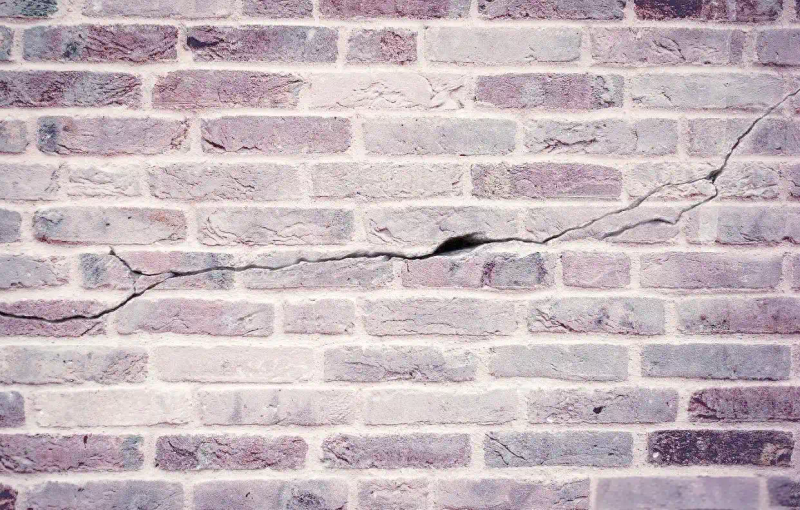
Location characteristics: these cracks are often found near the top of the house, in particular at both ends of the mountain wall and on the vertical wall, and can also occur in the lower part of unheated houses in cold areas due to cold contraction。
Morphological characteristics: slashes are the most common of them, usually the width of one end and the fine of the other or the width of the middle. In addition, horizontal cracks and vertical cracks are more common. Temperature cracks are due to the fact that thermal swelling and cooling coefficients of concrete and bricks differ, resulting in stress from each other, leading to the most common tilt cracks. It occurs near the top of the house and evolves with temperature but tends to stabilize。
Time and development: these cracks usually emerge after a full summer or winter temperature change. Its width and length will vary with temperature fluctuations, reaching maximum crack size when temperature reaches maximum or minimum. It is worth noting, however, that these cracks do not generally continue to deteriorate and that their development will gradually stabilize after one or two complete temperature cycles。
1. 2 sediment cracks
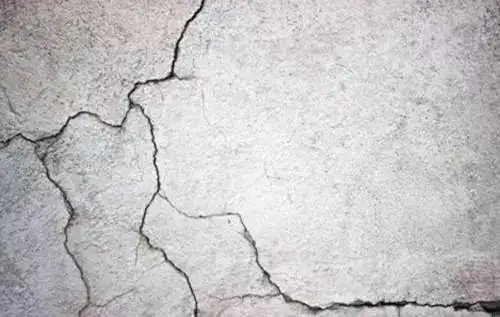
These cracks are caused by the uneven deposition of the foundations and are of a more dangerous type and therefore require special attention。
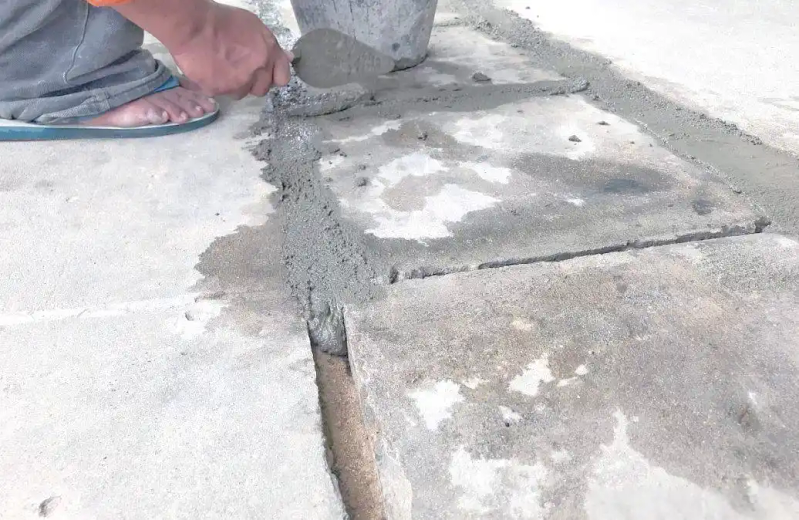
Location characteristics: the cracks in the wall often occur on the ground floor of the house, in particular above or below the door or window hole. These cracks usually extend from the large side of the deposition to the small side. Sedimentation cracks are caused by the uneven deposition of the foundations, most of them at the bottom of the house, especially in the vicinity of doors and windows. The cracks are tilted towards development, with a smaller width below, a larger upper end, and stable development of sedimentation along the ground。
Morphological characteristics: the cracks tend to be tilted, with horizontal angles around 45°. The width of the cracks is smaller at the lower end and the upper end is larger, and as the foundations continue to sink, the cracks may become wider and grow。
Time and development: the rate of development of wall cracks is closely linked to the rate of sedimentation on the ground. The development of cracks will cease as the local base deposition stabilizes. It is worth noting, however, that already formed cracks do not heal themselves。
1. 3 load cracks
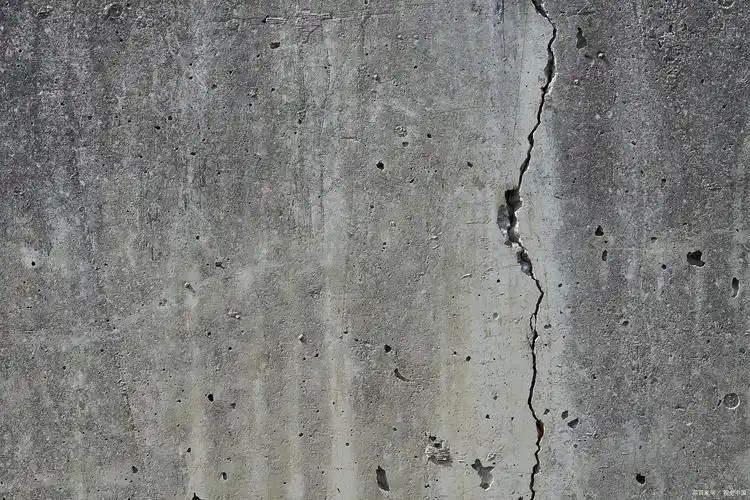
The cracks that were triggered were referred to as payload cracks because the structures were carrying loads that exceeded their own carrying capacity. Such cracks are structural cracks and are extremely dangerous and must be reinforced immediately to ensure the safety of buildings. The load cracks are generated by the overload of the structure and are commonly found in areas of stress such as heavy walls and beams, in the form of vertical or tilted and even width. The increase in loads allows cracks to develop and cannot be fully healed even when unloaded。
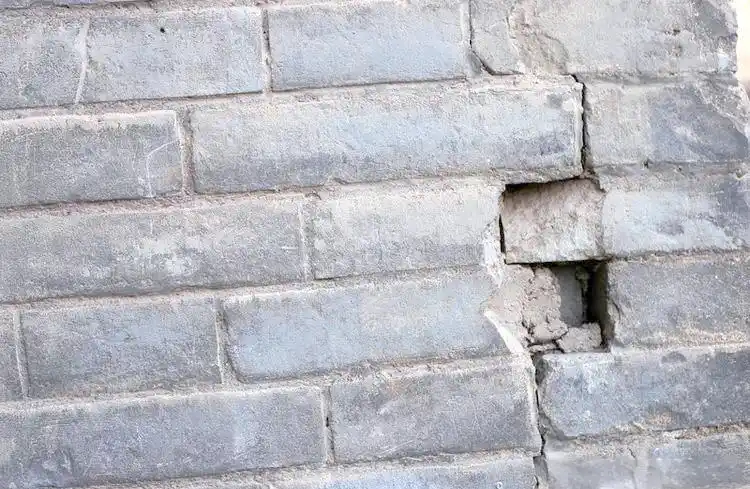
These cracks often occur in key stress areas such as heavy walls, columns, beams, especially in areas where stress is concentrated, such as the corner of the door and window hole and below the beam. They usually take the form of vertical or tilted, and the width of the cracks is relatively even. The vertical crack may appear on the components under pressure, while the horizontal crack may occur on the components under pressure. It is worth noting that these cracks will evolve as the load increases, and may be partially closed even after they are unloaded, but cannot be fully healed. In particular, the width of the cracks is likely to continue to increase as a result of persistent loads。
Fragment diagnosis and reinforcement strategy
2. 1 fracking diagnostic methods
Cracks are a “health barometer” of structure, the formation of which is linked to a variety of factors. To determine and address these cracks accurately, we need to follow a systematic on-site diagnostic process. The following is a practical way of judging:
Step 1: macrowatch. The location, direction and length of the cracks are recorded in detail and the whole picture is taken. At the same time, the general slope of the houses is observed。
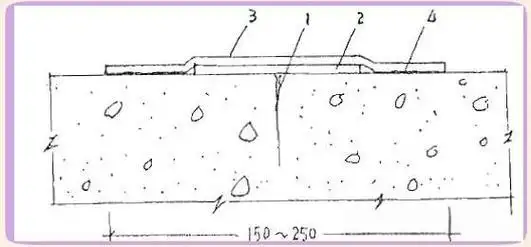
Step 2: fine measurements. Fragments are used to measure the width of the cracks and to record changes in length with a ruler. Temperature cracks are treated with elastic seals or fissure nets and marked at the end of the cracks for subsequent observation and analysis。
Step 3: environmental surveys. To understand recent temperature changes, rainfall and the structural impact of surrounding construction activities. At the same time, check whether there are signs of deposition on the foundations and whether the structures are subject to additional loads。
Step 4: regular monitoring. Observation cycles (e. G. Once a week) are established to keep track of crack changes. Particular attention is paid to post-rainfall and post-temperature crack development。
2. 2 cracking reinforcement measures
We need to address different kinds of cracks. For example, in the case of temperature cracks, treatment can take the form of flexible sealing tape filling or plastering on the surface with a defunct net; in the case of sedimentation, ground-based problems need to be addressed, until sediment stabilization is achieved before cracks are repaired; and in the case of load cracks, immediate interim support measures and structural reinforcement are required. Temperature cracks are treated with elastic sealing or fracking nets. Sediment cracks first need to address ground-based deposition, and load cracks need immediate temporary support and structural reinforcement, emphasizing the timeliness and accuracy of the treatment. In doing so, we need to follow the principles of “observation, judgement and timeliness” in order to ensure structural security and stability。



