New jedda has undoubtedly given a new dynamism to the public, with old trees blooming and a common reputation, and 21 improvements have brought greater joy to the owners of the jedda. But the performance-reliable new shortcuts are in use, and failure due to inadequate maintenance cannot be avoided. Through the statistics of the new shortcut maintenance project, we present the causes and phenomena of typical frequent malfunctions to you for daily use and maintenance purposes。
It sounded on the wheel
A number of new jeddas are in use, with the acoustic problem of turning to the pole when they hit the steering wheel, similar to the sound of the iron crash, and the greater the rush to hit the steering wheel, which results in less manipulation and a chilling drive. After repeated examination, there was no damage to the steering machine, the pole and the hanger
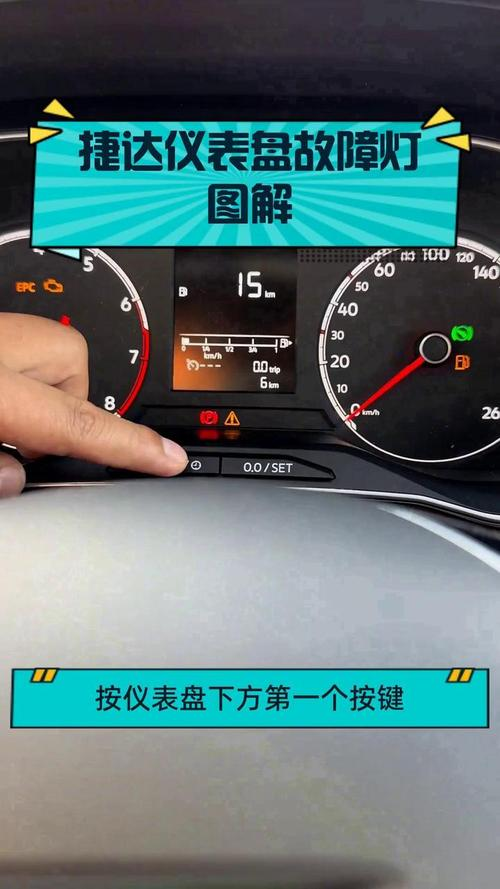
This was mainly due to pre-repressive pressure bearings and pre-remission flush damage. The two main functions of the pre-repressive pressure bearings are to maintain that vehicles can be rotated together with the wheel to keep them flexible; and that the outer circle of the pressure bearings is a rubber product that maintains a soft connection between the body and the booster and prevents the movement of vibrations through the booster when the vehicle is travelling because of the unevenness of the road. In the course of its journey, the vehicle is frequently damaged by cracks on the pressure bearings, including because of the road conditions, so that the front sound of the “single” when it moves on the bumpy road can cause the wheel to lose its position。
Maintenance costs: $350 per hour for the replacement of pressure bearings, $79 per hour for materials, $300 per hour for excretion before replacement and $45 per hour for materials。
Engine work is unstable
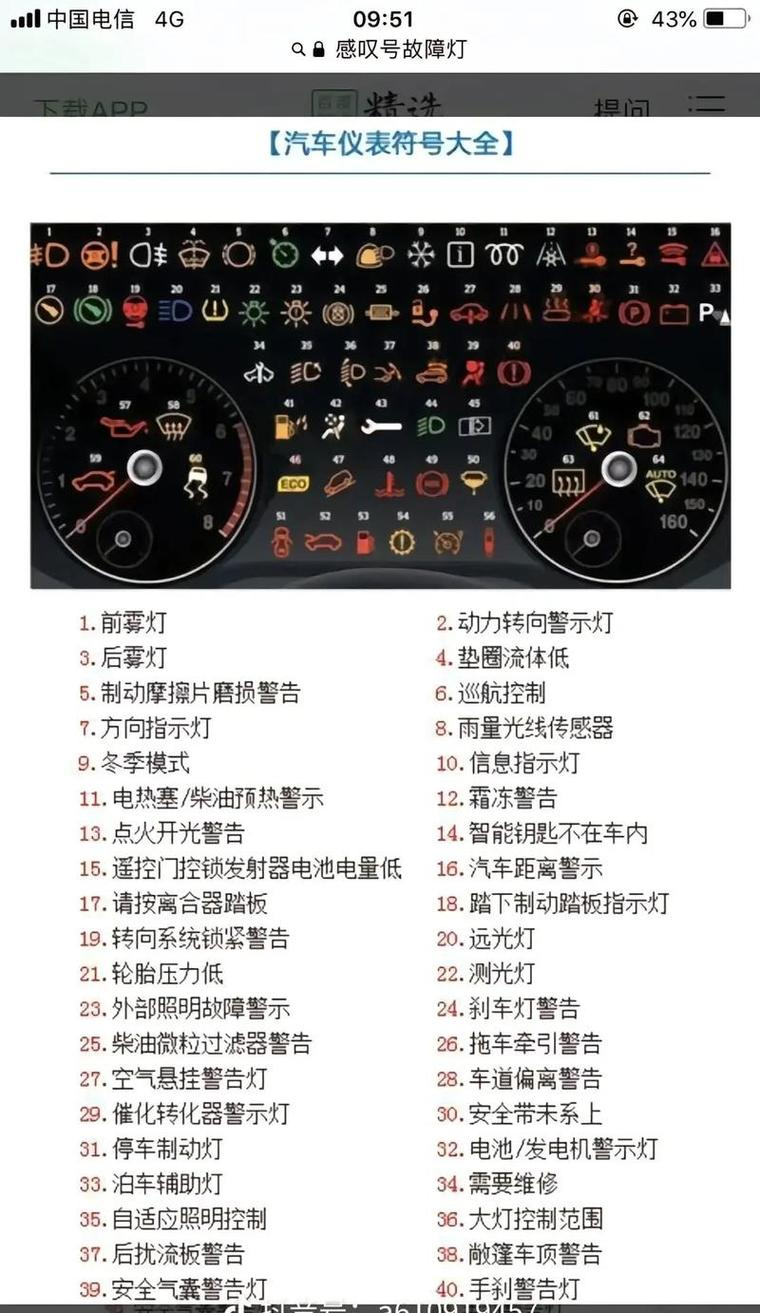
Following the 20,000 km drive of some of the new highways, there have been a series of impotent motors, shaking and job instability. Even if the spark plugs were replaced, the engine was shaking. Some vehicles also replaced hydraulic poles because of the sound of individual casks, which were caused by the jamming of the jets。
New jedda's oil jet is electronically controlled, and its function is to create a flammable mixture of gas before the fuel pump is routinely pumped into the gas door and mixed with fresh air inside the gas pipeline. Since petrol contains more or less impurities, they are attached to the needle valves of the oil dispenser. Long-term work can result in “indigestion” of the jets, or even in the closure or stagnation of needle valves, which can be driven with a feeling of impotence and precariousness of the engines, which will not be able to start when serious。
It's recommended to clean the nozzles at 20,000 kilometres of new jedda
It's too much gas
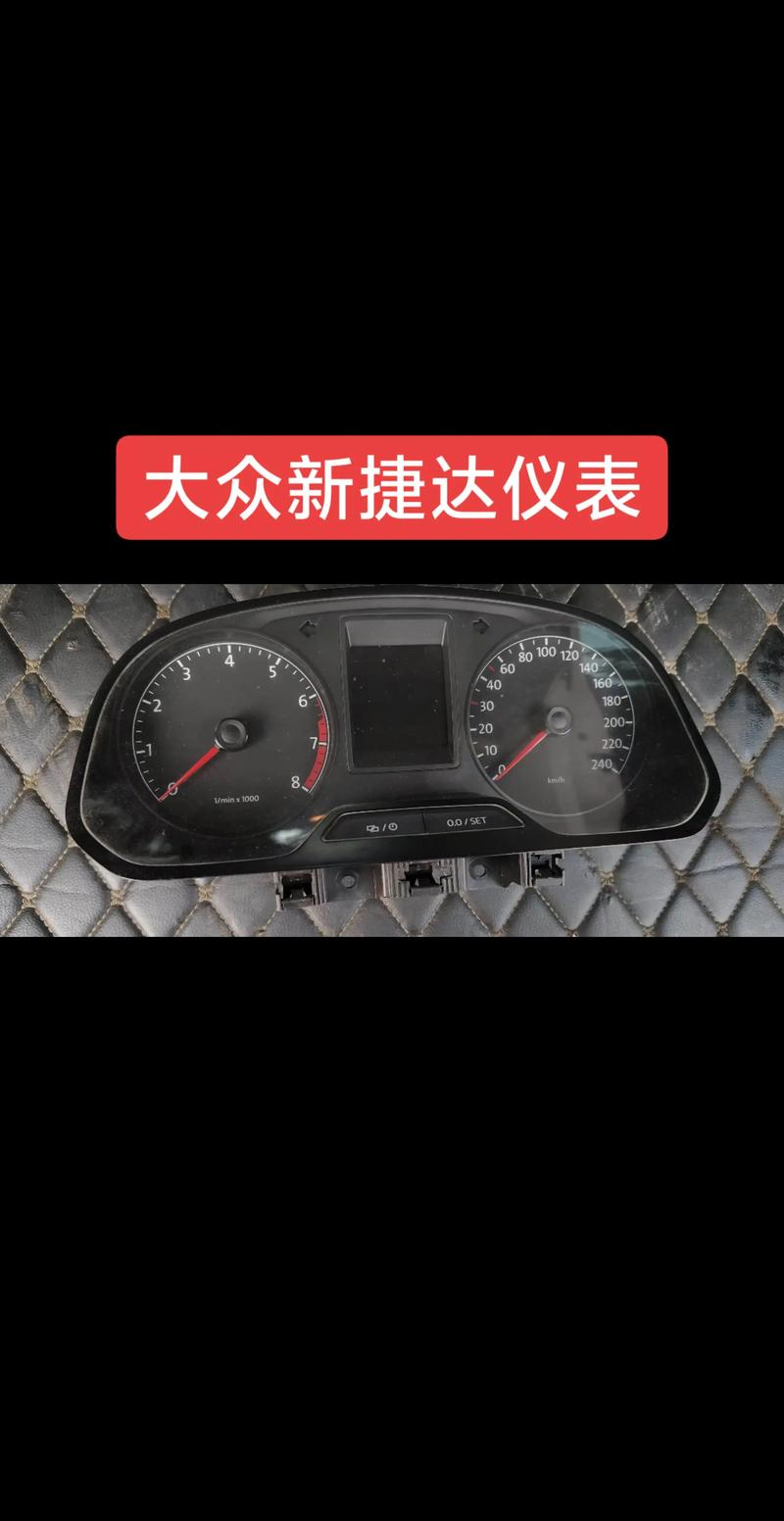
Some of the new jigdas, which use thousands of kilometres, have opened the oil-added hood, and have found that the oil flow is so intense that the piston ring is not sealed or the piston interface? No, because new jedda is nothing but old jedda's face, the pressure of the old jedda axis is a problem when the engine leaves the factory. The gas will enter the gas-conservation door through the winding tube of the warp-axis and digest it through combustion。
It is recommended that after thousands of kilometres of use, the owner removes the oil attached to the warp axle-box vents and air filter hoses, thereby preventing a large amount of oil deposited in the gas-saving valves from causing engine failure, which affects the speed and acceleration performance。