Nutrition action
Many people with weaker gastrointestinal functions have the experience that when they eat too much fruit, their stomachs are not well, they are very susceptible to diarrhea and can even cause acute intestinal inflammation. In addition to the reasons for eating fibres in fruit that contribute to overmobilization of the intestinal tract, it is likely that it is also related to the response of intestinal inflammation due to excessive intake of fruit sugar. The impairment of the intestinal barrier and the decline in digestive absorption, combined with intestinal strains, have led to weakness in the body and intolerant reactions to a variety of foods。
Large quantities of sugar also result in liver fat deposition, fat liver development and metabolic disorders that reduce insulin sensitivity and increase diabetes risk. Over-ingestion of fruit sugar can also result in an increase in internal larvae (indicating increased metabolic decomposition of the body), an increase in urine acid and increased risk of arrhythmia. These were previously confirmed findings. In short, it is true that a large quantity of sugar is harmful to health。
So why did everyone say before that fruit was good for health? That's six points of knowledge with everyone。
Knowledge point 1: are sugars a “sugar in fruit”
Sugar in fruit consists of three components: glucose, fruit sugar and sugar cane, of which sugar is only one. It is not a vague concept of “sugar in fruit”, but a structured single sugar, a sugar different from glucose, sugar cane, malt sugar。
Knowledge point 2: which fruits have a high sugar share of sugar
Some of the fruits are larger in sugar, such as dates, peaches, and some are larger in glucose and fruit sugar, such as watermelon and grapes. In general, the amount of glucose and sugar in fruit is almost equal。
Sugar gives people a fresh taste of sweetness and has the properties of cold and sweet. And sugar cane doesn't have that. It's like sweet at any temperature. Almost all those who ice sweeter fruit and eat particularly sweet fruit are fruit with a high proportion of fruit。

Knowledge point 3: eating sugar and honey increases the sugar in your body
In terms of plant metabolism, photosynthesis is based on the synthesis of glucose, which can then be differentiated into fruit sugar. The combination of a glucose and a sugar cane, which is the white sugar that is eaten daily, and a sugar cane, which is hydrolyzed by sugar cane in the intestinal tract, produces a glucose and a sugar cane。
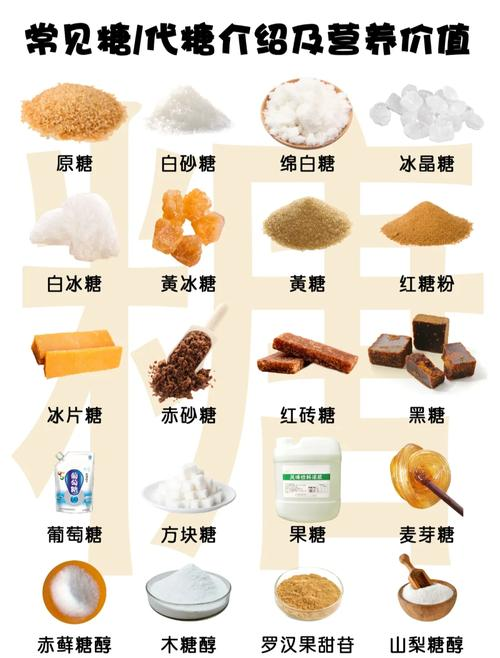
The main components of daily household sugar, including sugar, white sugar, red sugar, ice sugar, red sugar, etc. So, sugar sweets are digested in the intestinal tract, which brings both glucose and fruit sugar。
There are three types of sugar, sugar and glucose in honey. In general, the easier it is to settle, the larger the share of glucose in it; the more difficult it is to do so in winter, the larger the share of sugar. This is due to the highest solubility of fruit and sugar, and the lowest glucose。
Knowledge point 4: how does it come from "industrialization's sugar"
In the modern starch industry, maize is first processed to extract starch; then glucose is deciphered with corn starch water; then glucose isomerase is used to convert part of the glucose to glucose and to obtain high-fruit gravy syrup. Industrialization produces a maximum of 90 per cent of fruit and lusamel。
The sweet taste of lusp is better after the ice, so it is used as the main source of sweetness in all kinds of sweet drinks, such as the coke sheba. It's also used in many sweet shops to make drinks. So, sweet drinks are the largest source of sugar among people who like sweet drinks。
A bottle of 500 ml of sweet beverages will have about 50 grams of sugar added (cane sugar or lusp syrup). Half the sugar, about 25 grams. So a sweet drink is bound to give the body too much sugar and a lot of sugar。
The amount of sugar obtained from drinks, the small amount of sugar obtained while drinking yogurt, the small amount of sugar used in cooking, together with the normal amount of sugar received when eating fruit, cannot be exceeded。
Knowledge point 5: how many sugars are in the fruit
The tradition is that some kind of fruit and sugar is scarce, but not necessarily accurate. Because the data in the table of food compositions are long-standing measurements and do not cover all new fruit varieties, they often do not represent the sugar content of fruit in the market. Some fruits are natural high sugar. For example, sweet grapes can contain 16-20% sugar, of which 40-20% are sugar. On this basis, 500 grams of 18 per cent of glucose can be eaten and 90 grams of sugar, including 36-45 grams of sugar。
There's tropical fruits that people like, and sugar is pretty good. Take a look at local fruit and sugar levels measured by thai scholars: 17. 5 per cent for bamboo, 18. 5 per cent for red hair, 13. 9 per cent for mango, 17. 9 per cent for pineapple, 19. 2 per cent for pineapple, and 17. 2 per cent for tan。
However, the fruits, which were less sugary, are now being replaced by high sugar varieties, so the sugar intake from the fruits is increasing. Sugar oranges, sugar oranges, ice-cooked apples, etc., are sold for sugary sweets. Because of its sweetness, fruit varieties with high sugar content will also be more popular, resulting in an increasing number of sugars being eaten from fruit。
For example, our study last year found that some of the fuji apples contained 8. 3 per cent sugar and 6. 7 per cent glucose. At this level of sugar, apples can't really be called low sugar fruit. That said, you must have understood: a small amount of fruit is good, not a large amount of fruit. A lot of fruit or glucose will cause an overdose
Knowledge point 6: is it harmful to eat more and less
Small sugar intakes may be healthy, such as glucose metabolism in the liver. In combination with starch food, a small intake of fruit sugar without increasing the total carbohydrates can help to reduce the levels of carbino carbide. But large intakes are counterproductive。
Research suggests that too much or too little fruit is not good for the prevention of diabetes, and that two or three hundred grams is the right amount。
A few ways to reduce the risk of sugar
Avoid any sweet drinks。

The daily diet of families is less sugared and congee and soup are kept as low as possible, including honey。
3. Select foods such as yogurt with low sugar。
4. The amount of fruit is 200-350 grams per day (cut off the nuclei) rather than eating more than a pound。
5. Eating fruit should not be overstretched with a strong sweet taste, and for highly sweet fruit, it should be reduced as appropriate。
Don't drink a lot of juice, even 100%. So is the juice that you squeeze。
Fruits can be used as an alternative to sweets or to some of the cold foods, which can be eaten in small quantities, thus avoiding excessive quantities and contributing to glucose metabolism。
8. Do not buy marketed domestic sugar products because of low blood sugar metabolism。