How can we choose to use the fruits that are so full of eyes, so bright in colour, so different in shape and so sweet? What is the nutritional value of all kinds of fruit
Fruit species are numerous and are classified according to the form and physiological characteristics of the fruit: nuts such as apples, pears, mountains, etc., nucleus such as peaches, apricots, plums, berries such as grapes, strawberries, pomegranates, monkeys, etc., citrus such as oranges, citrus, grapefruit, lemons, etc., and melons such as watermelon, melons and melons。

Fresh fruit contains a large amount of moisture and the amount of water in the fruit is generally 70-90 per cent. The moisture in the fruit is in the form of free water, adhesive adhesive water and condensed water, which is present in the chemical material of the fruit and is not lost because the fruit is dry。
The carbohydrates in fruit are the main components of fruit, with single and double sugar, starch, cellulose and fruit glue, and the content of different types of sugar varies. The content of the same type of fruit, sugar, etc., also varies according to climate, origin, etc. The nuts are dominated by single sugar; the nucleus by sugar; the berries by glucose and sugar; the citrus by sugar; and the fruits of bananas, apples and chestnuts by starch. There is a higher cellulose content in the skin, a higher cellulose content in fruits such as mangoes, pineapple, tomatoes and peaches, a greater amount of fruit glue in the fruit of mountains, citrus and apples, which cannot be absorbed by human digestion, but which can promote intestinal creeping, food digestion and excrement, and can reduce blood resin and prevent colon cancer。
Fruits contain abundant vitamins and are an important source of vitamins for human needs. Fruit types vary, as do vitamin levels and types. Vitamin c is particularly abundant in fresh dates, mountains and citrus, and some yellow fruits, such as mangoes, almonds, and radish contain more carrots。
Fruits contain more than 40 minerals, such as calcium, phosphorus, iron, sulphur, magnesium, potassium, sodium, iodine and copper, mostly in the form of sulphate, phosphate, carbonate, organic acid and organic matter, and are an important source of human access to minerals. There are significant differences in mineral content between different types of fruit. High levels of potassium, phosphorus and magnesium in fruit such as dates, bananas, citrus and peaches require attention for chronic kidney disorders and electrolytic disorders。
Fruits also contain organic acids such as lemon acid, apple acid, alcoholic plaster acid, benzeneic acid, and water sour acid, and therefore they are acidic. The taste varies depending on the type and content of organic acid contained in the fruits. For example, citrus is mainly citrus acid, while apples, pears, peaches, almonds and cherries contain higher apple acids, and grapes are mainly alcohol and quarries。
Monolin is prevalent in fruit and is the sum of several polyphenol substances, also known as steroids. The substance gives the fruit a unique flavour and can also colour the food. As the fruit matures, the mononins change, so that the taste of the fruit diminishes until it disappears. Single ning is easily exposed to oxygen oxidation and can heat up with tin for long periods of time into neptunium red and with acid into red。
Nitrogen content is low in fruit, but it is very varied, mainly in proteins, amino acids, and more in nucleus and citrus fruits, while less in nuts。
Fruits contain different colours, such as chlorophyll, carrots, carrots, nymphs, tomatoes, etc。
Fruits contain sugar of all kinds, mostly bitter and partly toxic. Almond almonds are common in seeds of fruit, with more of the nucleus and fewer of the nuts. Almonds have special aroma and are non-toxic, but in enzyme, acid, heat, etc., they release toxic substances。

So how do we enjoy the fruits
First, emphasis is placed on the daily intake of fruits to meet the need for nutrients such as vitamins, minerals and dietary fibres, and it is recommended that the general population consume 200-350 grams per day。
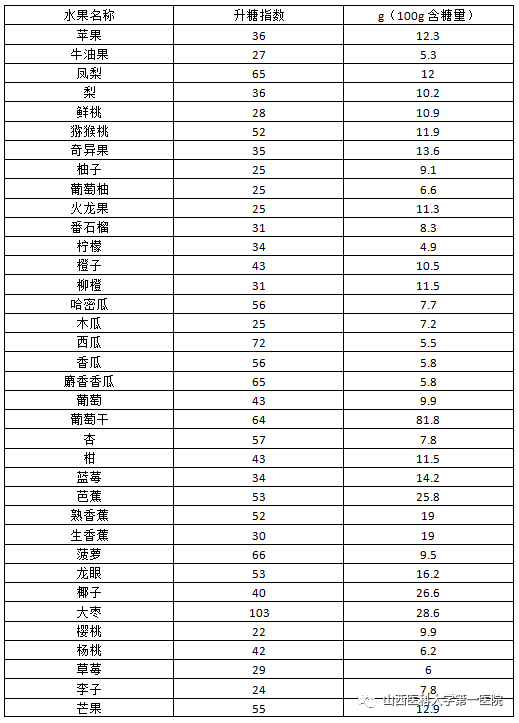
Second, the nutrient composition and content of the various types of fruit are different, and it is recommended to select multiple types of fruit. For diabetics, it is important not only to select low-literacy and low sugar-bearing fruits, but also to control intake according to their own blood sugar situation。
In addition, for patients suffering from electrolyte disorders, the selection must be based on the mineral content and type of fruit when ingestion。
Moreover, when compared with foods such as cereals, meats and beans, fruit has low energy, high dietary fibre content and is favoured by a reduced population, “fruit meal” has once been popular, but the nutritional value of fruit, with low protein and fat content, is likely to lead to severe malnutrition。
Some people prefer to eat the fruits, often heat them up and then eat them again, while cedars, roasted oranges, porridges, fruit teas, etc., add to the way they eat the fruits or the taste of the fruits, and are not recommended as a routine practice for eating the fruits, since vitamin c contained in the fruits after heating can be damaged and the nutritional value of the fruits is reduced, so it is better to avoid overprocessing the fruits。
Fresh fruit is an important source of human minerals, food fibres and vitamins, and is recommended for balanced feeding with other foods, reasonable intake and scientific dietary habits to achieve rational nutrition and health。
Common fruit lactation sugar index, sugar content table, as follows: