In the noise of cities, the market for vegetables is like a unique theatre of life, where life is alive every day. The market for vegetables, especially the distance between the booths and the rags, appears to be normal, and many doors are hidden. Today, let's talk about this interesting and practical subject。
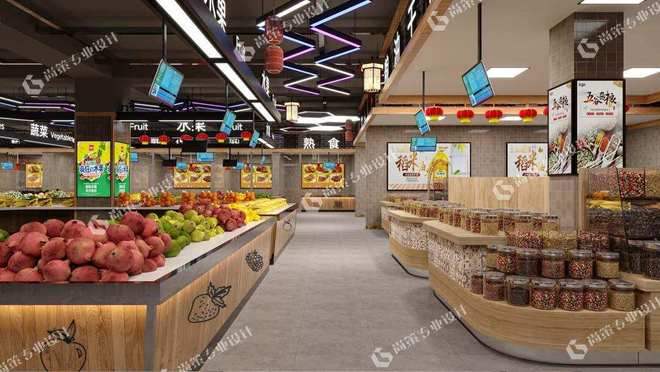
Portal distance: balance between comfort and efficiency
The distance between booths is not random. It's too narrow for customers to travel between stalls, and it's even harder to push a shopping cart, with a slight lack of attention likely to hit the stall and trigger a little friction. Imagine the weekends when the marketers came and you wanted to buy something, but you were too much of agitated. In addition, narrow access is not conducive to the vendor's filling and garbage removal, and the efficiency of work is significantly compromised。
Isn't the distance good? Not all of them. If the booths were too far apart, the market's spatial utilization would be reduced, rental costs would rise and eventually be shifted to commodity prices, allowing consumers to pay. A reasonable distance from the booth should ensure both the comfort of the customer and the efficient operation of the booth. In general, the width of the main channel is maintained at 2 - 3 metres, which allows easy passage for pedestrians and carts; and the sub-channel 1. 2 - 1. 5 metres, which allows customers to stay and choose between booths。
Partition rags: structured shopping experience
The plaque of the booth is equally academic. The traditional market menus may be more casual, and customers often waste time and energy around the market in order to buy a few dishes. Many of the new or modified market for vegetables is now in the form of zoning. For example, vegetable areas, meat areas, aquaculture areas, dry areas, etc. Are clearly separated. The benefits of doing so are obvious, as customers quickly find the areas of commodities they need and purchase more efficiently。
At the same time, the shape of the booth and the way in which it is organized can affect the experience of shopping. Common stall shapes are square, rectangular and alien. Square and rectangular stalls are organized to facilitate the distribution of goods and stalls. Alien stalls can increase market taste and spatial change, but may require more skills in space use and commodity displays. In the form of organization, the lines are simple and clear, and the customers can see the stalls with a clear eye; the around-the-island arrangement can guide the customers to move and increase the exposure of the booths。
Special booth consideration
There are also special stalls in the market for vegetables, such as snack stands, home-grown stands, etc., where and where they are designed. There is a smell of oil and smoke from the existing snack stand, which should be located in relatively independent and well-ventilated areas, at a distance from the rest of the booths and avoid affecting the business of the surrounding booths and the shopping experience of customers. Self-employed stalls, usually where farmers sell their own produce directly, can be located close to market entrances or transport corridors in order to facilitate their access to and maintenance of freshness。
Dynamic adjustment: adaptation to time lags and needs
The flow of visitors to the market varies considerably in one day, within one week and even between seasons. This dynamic change should also be taken into account in the design of the booth distance and layout. For example, during periods of high passenger traffic, such as early-market and weekends, there is a possibility of increasing customer traffic by setting up temporary corridors or adjusting booth space. Some market for vegetables will also adjust the location of certain stalls to the characteristics of the season. For example, the high volume of summer fruits concentrates fruit stalls in more visible and easily accessible locations。
The distance between the market stall and the canvas is an art that combines human engineering, commercial operations and aesthetics of life. A rational design can make the market for vegetables a place where it is easy to shop and where it can live. And next time you go to the market, look at the details, and you'll find that there are designers' minds and wisdom in the usual market。