Knowledge sharing, in short, is the practice of exchanging information and expertise among individuals. Why is that so important? Because the comprehensive knowledge available to all members of the enterprise is one of the most valuable assets of the company. It not only enables every employee to perform his or her job well, but also ensures that the company as a whole operates efficiently and smoothly. At the same time, this is key to maintaining a competitive advantage for enterprises。
In general, it is these elements that enable your business to emerge among many competitors and to provide value to its customers in a unique way. Indeed, according to deloitte's human capital trends report, 75 per cent of the organizations surveyed considered knowledge creation and retention critical to their success。
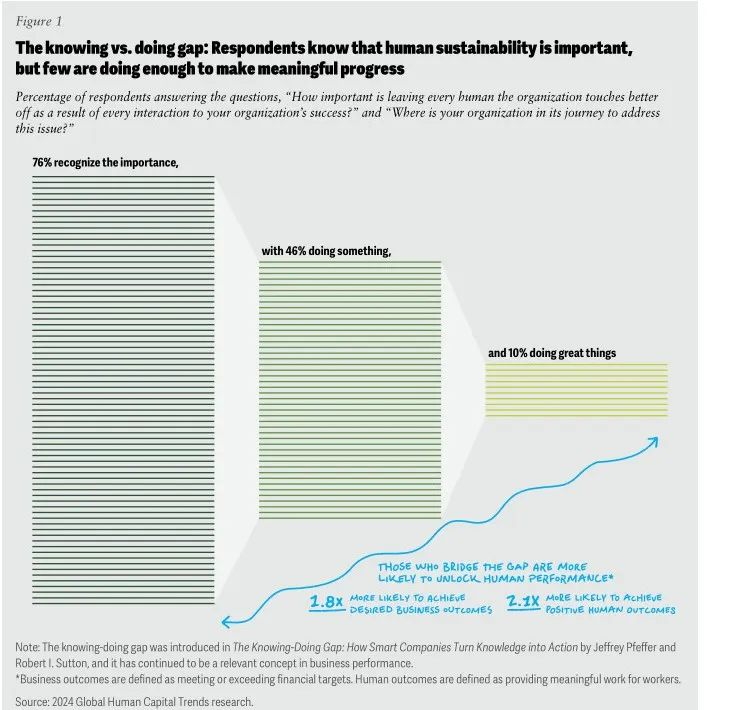
Of course, the pool of knowledge of the team will only grow if knowledge is actively and continuously shared among staff. Unfortunately, however, it was not easy to convince staff to share knowledge, especially where a corresponding culture had not yet been established. The creation and implementation of a knowledge-sharing culture often face many challenges, with productivity losses ranging from $2. 7 million to $265 million annually (depending on the size of the enterprise) due to inefficient knowledge-sharing。
The following is an in-depth examination of the meaning of knowledge-sharing, why knowledge-sharing is encouraged in the workplace, common barriers to knowledge-sharing, types of knowledge-sharing and how knowledge-sharing can be improved in the workplace. Therefore, whether you are a manager who wants to promote knowledge-sharing among team members or an individual who is eager to learn from colleagues and contribute to the success of the organization, it is hoped that the following article will help you to start this journey。
What is knowledge sharing
Knowledge sharing refers to the process of exchanging information, ideas and experiences among individuals or groups. It involves sharing knowledge and expertise within the organization or team, as well as with external stakeholders, and is a key link in knowledge management. Knowledge can be shared at different levels in many ways. Several main types of knowledge include:
Before exploring the use of multiple strategies to make knowledge-sharing more effective in the workplace, let us see why attention is being paid to improving knowledge-sharing, as well as some of the typical obstacles that you may encounter。

Benefits of encouraging knowledge sharing in the workplace
Knowledge sharing aims to increase the overall knowledge and understanding of the group or organization, thereby improving decision-making, problem-solving and innovation capacities. However, the promotion of knowledge-sharing requires commitment and commitment. The free and continuous exchange of knowledge does not occur overnight or in vain. It requires joint efforts and clear intentions. Nevertheless, the input is worth it. Knowledge sharing has numerous benefits and is crucial to the success of your team。
1. Enhancing organizational coherence
While maintaining a personality is essential to building a diverse and happy workforce, it is equally important that staff be aligned with the corporate mission and corporate goals. This has helped to create cohesion and increase commitment. Organizational coherence cannot be achieved without knowledge-sharing. Staff must be on the same channel, which needs to be achieved through continuous knowledge sharing. This ensures that everyone is informed, consistent with corporate values and focused on current projects or objectives。
2. Increasing productivity
Almost 20 per cent of the employees ' work week is devoted to finding the information needed to complete their work. This means that one fifth of your staff is wasting their time looking for knowledge that should be within reach. By making knowledge more accessible and discoverable, your staff can devote more time to work than to information. In addition, by improving knowledge sharing, it is easier for all staff to keep information up to date. This, in turn, will enable your staff to work more effectively and efficiently, thereby increasing productivity。
3. Increasing knowledge retention rates
The retention of knowledge at the individual level is essential for individual performance. However, in a teamwork environment, everyone must have the same knowledge. A small error could lead to a decline in the performance of the entire team. To ensure that this does not happen, key messages need to be kept throughout the team. By sharing knowledge and expertise, organizations can identify and capture valuable knowledge and store it in a structured and orderly manner。
This will make it easier for team members to acquire and retain the knowledge needed to complete their work. In addition, when staff are encouraged to share their knowledge and expertise with others, this creates a cycle that encourages staff to apply the knowledge they have learned in their work, which helps to enhance their understanding and memory of the materials they share。
4. Promoting communication and collaboration
Knowledge sharing plays a crucial role in facilitating communication and collaboration within the organization. By providing a platform for the exchange of knowledge and expertise, the organization can improve communication and collaboration between team members and departments, as well as between different levels of the organization. This will help break barriers and encourage cross-functional team collaboration, thereby increasing the efficiency and effectiveness of business processes. In addition, knowledge sharing facilitates communication and collaboration with external stakeholders, such as clients, partners and suppliers. By sharing knowledge and expertise with these stakeholders, organizations can build strong relationships and enhance their collaborative capacity to achieve common goals。

5. Helping enterprises to save costs
By reducing duplication of effort and time for staff to seek information, you can save money. For example, when intel tried to improve the performance of one of its products, the company discovered that 60 per cent of its problems had been solved by another team。
6. Improving job satisfaction and staff retention rates
Knowledge retention is very effective in creating a cohesive workforce and encourages greater autonomy by empowering staff to exercise their mandates with self-confidence. When autonomy is achieved, staff are more satisfied with their work, more likely to take control of their day-to-day work and to have firm control over their career development. When these factors are combined, the likelihood of employees staying in the company for long periods increases. In addition, knowledge-sharing helps to create a culture of continuous learning and improvement, which contributes to staff motivation and thus to staff retention。
7. Acquisition of competitive advantages through innovation
Knowledge sharing encourages the exchange of ideas and ideas, which can stimulate innovation and creativity. By fostering a culture of continuous learning and improvement, the organization can encourage staff to think creatively and come up with new ideas and solutions, thus enabling the organization to maintain a competitive advantage. In addition, by fostering such a culture, organizations can ensure that they are aware of the latest trends and best practices in the industry and are able to adapt and innovate continuously to meet the changing needs of clients。
Obstacles to knowledge sharing
There is ample evidence that knowledge sharing is essential for a healthy and successful work environment. Encouraging knowledge-sharing and implementing policies to promote knowledge-sharing are necessary to create such an environment and upgrade the corporate culture. However, enormous potential is accompanied by significant obstacles that must be overcome. In order to develop plans to realize the knowledge-sharing networks that you envisage, you must first understand the obstacles between those plans and reality。
1. Information islands
While the term “knowledge (or information) barriers” may bring to mind fascinating images and remind you of the classic fields in central america, the reality is quite different. The barriers to knowledge or the isolation of information pose a major threat to your organization. So, what are these islands and why are they so harmful? Imagine you're back in high school. Everyone comes close to their own unique small group. Within these small groups, everything is fine — people get along well, cooperate well and generally do well. However, when forced to work together, these different social groups are almost entirely incompatible。

The same dynamics may also exist within companies. Differently, the groups here are not football players, artists, metal fans, etc., but various sectors within the organization. These sectors each have their own culture, knowledge and mentality. When you try to integrate these sectors — which is necessary in the context of knowledge sharing — friction will become evident, and productivity will stagnate because of these organizational barriers. Of course, this isolationist mentality has almost never been intentional. Rather, it naturally occurs as departments focus on their own unique objectives, and communication with other sectors is relegated to a secondary position. Since barriers to knowledge occur naturally, it is all the more important to take conscious steps to offset them。
2. Knowledge accumulation
While barriers to knowledge are often inadvertently formed, knowledge accumulation is the opposite. This is an obstacle to knowledge sharing, when staff within the organization deliberately do not share critical information. This may sound unusual or unusual, but in fact this is a relatively widespread phenomenon that many companies will encounter. It was therefore important to understand why staff kept critical information confidential. There are three main reasons why employees accumulate knowledge: competition, fear and exploitation。
Typically, these motivations can be traced back to factors that inadvertently encourage such behaviour in the organizational culture. For example, staff may wish to gain personal victory by gaining advantage over colleagues. They may fear negative reactions to their contributions in the workplace. They may even withhold information in order to make themselves indispensable in their positions。
Lack of opportunities
As teleworking becomes more common, knowledge sharing faces a new obstacle — a serious lack of opportunities due to limited social interaction. Traditionally, employees have the opportunity to communicate, chat and exchange information on a leisure and professional basis. From the clichéd drinking water machine to the official conference room, social interaction has been present and has facilitated knowledge sharing. More and more team members now work at home. This means that opportunities for occasional encounters, social interaction and unhindered knowledge sharing are reduced. This is not to say that they are hoarding knowledge, or that information is randomly available on islands; it is to say that they have no opportunity to communicate freely with colleagues as they do in traditional office environments。
Types of knowledge sharing occurring in the workplace
Knowledge is usually shared in the workplace in the following ways:
1. Formal training projects
These are structured training programmes aimed at imparting specific skills or knowledge to employees. They can be conducted face-to-face or online and may be provided by in-house trainers or outside experts。
Teacher training
This involves more experienced staff sharing their knowledge and expertise with less experienced staff. Those who are taught can learn by observing, asking questions and receiving guidance and feedback from mentors, small leaders。
3. Collaboration
This involves working with others to share knowledge and ideas to achieve common goals. This can be done through team meetings, group projects or informal discussions。
4. Use of knowledge management software
There are many knowledge management tools, such as helplook, notion, zendesk, nails, flying books, etc., that can facilitate knowledge sharing in the workplace, such as online collaborative platforms, social media, knowledge base software and intranet systems。

5. Informal knowledge-sharing
This refers to spontaneous and incidental knowledge-sharing in the workplace. It may occur during leisure talks, team lunch or other informal settings。
How to effectively advance knowledge sharing within companies
Several key steps are critical in facilitating knowledge-sharing within companies. By reordering these steps and introducing helplook as a knowledge-sharing tool, we can achieve knowledge-sharing more efficiently。
1. Focus knowledge to create the sole source of truth
First, we need to bring together the accumulated knowledge of the organization and create the only source of truth (ssot) that all team members can access at any time. This can be achieved by using knowledge base software. Support the transfer of explicit or implicit knowledge to other individuals to ensure that it is accurate, well organized and up to date. Through the knowledge base, we can also limit access, provide excellent search functions and structures, and access detailed analytical data to better understand and improve the way knowledge is shared。

Building a culture of knowledge sharing
Next, we need to build a corporate culture that promotes knowledge sharing. This includes establishing a clear mission and vision for companies, building a common vision of growth and developing community awareness among employees. At the same time, let us remember that knowledge-sharing is a process of building interpersonal relationships and promoting people-to-people cooperation, so communities of practice or excellence are the best way to build a knowledge-sharing culture. When a knowledge-sharing culture is accepted and integrated into the company's genes, it is easier for employees to share their knowledge on a sustainable basis。
3. Simplification of knowledge sharing and preservation
To put a knowledge-sharing culture into practice, we need to provide staff with efficient and effective knowledge-sharing channels, platforms and spaces. Helplook, as a knowledge-sharing tool, can support multiple channels of communication and enable staff to communicate flexibly and without barriers. At the same time, we should preserve shared knowledge and store it as a knowledge asset for access and sharing over time。
4. Clarifying roles
In the knowledge-sharing process, a clear division of roles is essential to facilitate these efforts. Whether we address demand areas or create specific learning schemes, we need clear roles to guide knowledge sharing. This can be achieved by designating “expert” and “learning” roles, or by appointing experienced mentors during induction training for new staff。
Standardized knowledge-sharing workflows
To ensure that knowledge-sharing is efficient, we need standardized knowledge-sharing processes in the workplace. This includes identifying the knowledge that needs to be shared, understanding who is involved in the sharing process and what their role is, how standardized knowledge should be shared and received, identifying how knowledge can be recognized as having been successfully received, and defining procedures for the failure to transmit knowledge. Through knowledge management tools, we can more easily standardize and automate these processes。
6. Encouraging and rewarding efforts
Finally, we need to encourage the active participation of staff in knowledge-sharing and inspire them by recognizing, recognizing and celebrating their efforts. This can be achieved by providing tangible incentives or internal incentives, such as small gifts, monetary incentives or career advancement opportunities. At the same time, we can track and evaluate staff knowledge-sharing contributions through knowledge management tools to better recognize and reward them。
By sequencing knowledge-sharing and introducing knowledge-sharing tools, we can achieve knowledge-sharing goals more efficiently. No matter how you advance knowledge sharing within the company, one thing is certain — success depends on your staff and the technology you use to share knowledge efficiently and optimally。