Today (10 october) is the 33rd world mental health day, the theme of this year's event being “shared governance, shared security”。
Source: department of health and administration, national health commission
Research by the united nations children's fund (unicef) and the world health organization (who) indicates that about 20 per cent of the 1. 2 billion young people aged 10 to 19 worldwide currently have mental health problems。
What small things can help the child relieve stress and improve the child's mental health? Let's see..
How can a teacher's parents identify a child
Is there a mental health problem
Physical changes
Children are found not to eat, to drink, to eat, to throw up after eating, to awaken insomnia and to have an endocrine disorder。
Emotional change

It's been a long time since i've been able to find out that the children are becoming sentimental。
Behavioural change
The behaviour of the children was found to be significantly different from that of before。
Changes in studies
It was discovered that the children could not focus their attention and listen。
Changes in interpersonal relations
Attention is focused when children are found to have no friends or when there is a marked change in student relations. In general, parents face the possibility of having a child suffering from emotional problems for more than two weeks。
Six little things
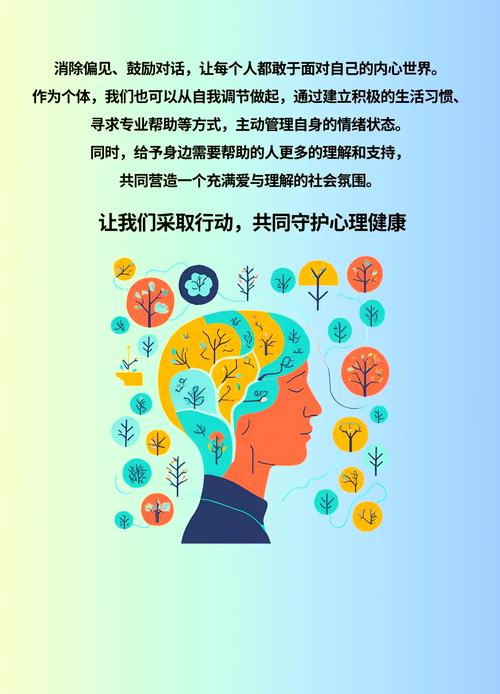
Building mental health “walls” for children
Building good daily habits and time off
Parents may direct children to develop a suitable plan for balanced learning, rest and recreation, with care to maintain regularity, adequate sleep, a reasonable diet and balanced nutrition. In addition, aerobics such as running, jumping ropes and balls are the best option for maintaining physical exercise for not less than two hours per day. Healthy behaviour and persistence in exercise not only contribute to the health of the human person and improve his or her immunity, but also reduce anxiety, improve emotions and maintain a positive state。
And lead the child to his emotions
Children may experience various emotional fluctuations as they grow up. Parents should guide children to know and understand their emotions and teach them to express and regulate them rationally through deep breath, painting, writing journals or sharing them with their families. Children are encouraged to express their feelings and to know that every emotion is normal and that the key is to respond positively。
Stay with the kids and interact with each other
In their daily lives, parents should put down their mobile phones, spend as much time as possible with their children and find opportunities for family exchanges with children, such as cooking, cleaning and exercise. At the same time, emphasis should be placed on improving the quality of companionship, refusing to preach and perfunctory, and having a two-way interaction that allows each other to relax and be emotional. It is best to be able to stay together with one another in a spirit of solidarity, with one's heart, with one's heart, with one's heart, with one's heart. The unconditional love of parents makes children feel welcome, adults are friendly, the world is safe and i am blessed。
I always give my kids credit and recognition
Shortfalls in examination results cannot be considered the only criterion for the assessment of children. Children will inevitably suffer from frustration when they are tested, and they will suffer from frustration and fear. At this point, it is necessary to develop the right vision of life and values by providing parents with insight and sincere encouragement, timely and different forms of recognition and recognition, and by giving children the support of their parents behind them. The courage and confidence of the child are encouraged, and encouragement is required every day
Watch and take care of the child's emotions
In case of emotional behaviour problems, parents are requested to calm down, allow and accommodate the child's emotions and help the child learn to detect and regulate them. To lead by example, to act as an example to children, to detect and adjust their emotions in a timely manner, to avoid passing on their negative emotions to the children, to preach to them, to give them a reasonable example of exaggerating their emotions, to become children's acquaintances and friends。
Timely detection of anomalies and need for timely consultation
Parents should communicate with school teachers and proactively provide feedback on the child's holiday situation, and should seek guidance and assistance from teachers or professional medical institutions in the event that the child reacts with apparent resistance, anxiety and panic, or causes anomalous behaviour such as severe sleep disorder, anorexia, or problems in parent-child communication。
When children's reactions have had a significant impact on their learning and life, we should consider consulting psychologists or specialists in a timely manner and seeking professional assistance to obtain psychological guidance and support. At the same time, good communication with schools has been established and home-based efforts have been made to better assist children. Because keeping the child's life and health is much more important than the score。