Other inorganic flame retardants:
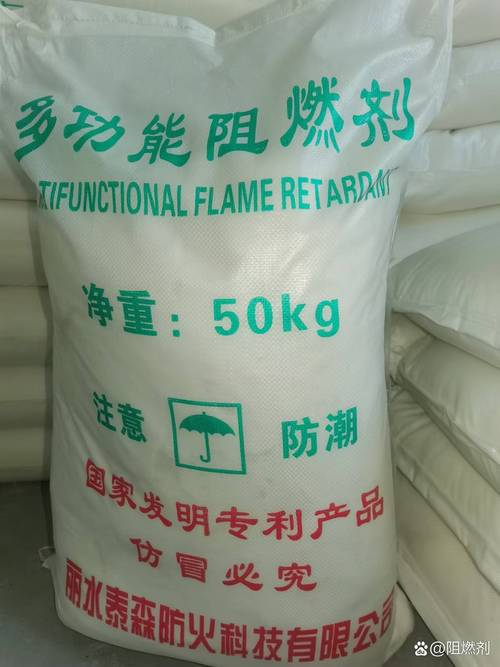
Most organic flame retardants have toxic, corrosive, smoke-bearing and more expensive disadvantages; inorganic flame retardants can remedy these deficiencies. Inorganic flame retardants in general often have both flame retardation and smoke abatement functions. As a result, inorganic flame retardants have developed rapidly in recent years. In addition to the previously mentioned sb, p inorganic items, there are also inorganic items containing al, mg, b. Mo, zn etc. Most of these inorganic flame retardants are heat-deficit water, which cools and dilutes flammable gases, thus inhibiting combustion。
Aluminium compounds: the main species are al (oh) 3, which began to lose water when external temperatures reached 190°c. However, due to its low water loss temperature, it is not suitable for high fusion. Aluminium oxide is still a promising flame retardant because of its rich origin and low cost, as well as its triple function as a flame retardant, smoke extinguisher and filling agent。
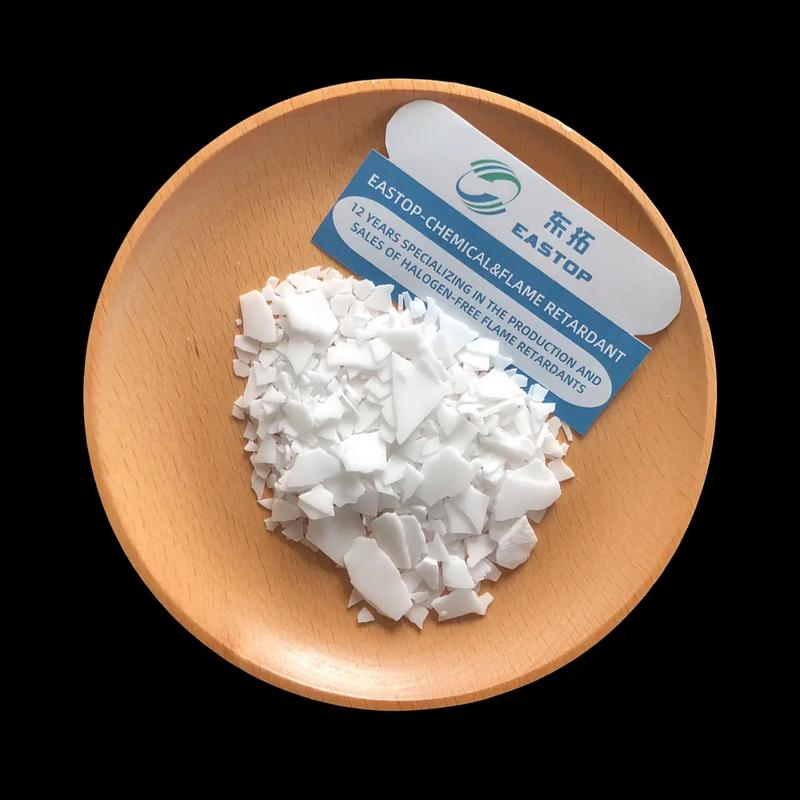
2. Boron compounds: boron compounds are a relatively large variety of flame retardants, including zinc borate, ammonium borate, boronate, boron sand, porporate, etc. Their flame retardants have a “film effect” similar to that of phosphorus compounds, in addition to the heat loss of water in the same way as al(oh) 3, which produces a solid molten cover on the high polymer surface, producing flame retardation. Zinc borate is used in the same amount as sb2o3, with a flame retardation effect that exceeds any of them used alone, and with a low volume of smoke and low price. The price of zinc borate is about one third of sb2o3, an ideal substitute for sb2o3。
Magnesium compounds: the flame retardant for magnesium compounds is mainly mg (oh)2 a newly developed flame retardant. Its flame retardants are similar to al(oh) 3, but their water loss temperatures range from 300 to 350°c and are therefore more suitable for polyolefins. Mg(oh)3 also has both flame retardation and smoke abatement effects. Mg(oh)2 treated with surface processors has better flame retardation effects. The ul-94-vo standard could be met by adding 47. 6% of the mg(oh)2 and 1. 1% of the nacl-kcl solid meltings treated with hard lipid acid to polypropylene. All of the above-mentioned inorganic flame retardants have a fatal disadvantage: flame retardants can only be achieved when the addition is substantial (about 40-60 per cent), and such additions will inevitably lead to a significant decline in the mechanical performance of high-polymers. As a result, inorganic flame retardants are generally used only as an aid to organic flame retardants and are rarely used separately。
These are organized for information purposes on issues encountered in the practical work of the participants, and should be communicated and corrected in a timely manner。