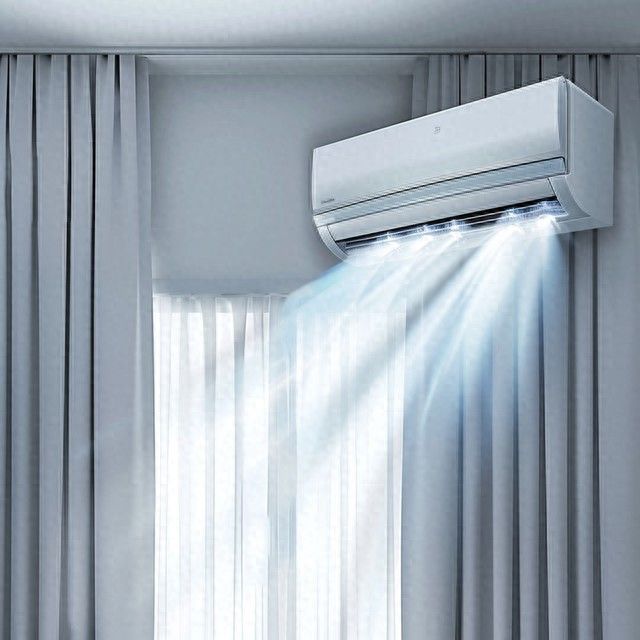
Laboratory steam generators are core equipment for the provision of stable steam for critical operations such as sterilization, reaction heating, distillation and so forth。
I. Core principles of laboratory steam generators
1. Thermal energy conversion: physical processes of liquid water vapour
The essence of the vapour generator is the heating of water to a boiling point by external energy (electricity, gas or microwave), which converts water molecules from liquid to gaseous vapour. At standard atmospheric pressure, water has a boiling point of 100°c, but in closed containers high temperature vapours (e. G., high-pressure sterilization requirements) can be generated at 120°c ~ 150°c by pressure。
Key participation formulas
Energy calculations: the energy needed for water follows the formula q = m. C. Δt + m. L
M: water quality
C: water relative to thermal capacity (4. 18 kj/kg °c)
Δt: temperature rise (target temperature - initial temperature)
L: gasification subheat of water (2260 kj/kg)
Pressure control: vapour pressure is positively related to temperature and is finely regulated by pressure sensors and pid algorithms (e. G. 121°c for approximately 103 kpa)。
Ii. Core structure of laboratory vapour generators
1. Heating system: conversion of electrical/gas to thermal
Water storage tanks: provision of deioned or distilled water
3. Vapour cavity: generate high pressure vapour in closed space
Control systems: regulation of temperature, pressure, time
5. Safety devices: preventing dry burning, overpressure or leakage
Iii. Processes for laboratory steam generators
Note water phase: deioned water is pumped into the tank and the water level sensor ensures that the water quantity meets the standard。
Heating start: thermal heating of water by electro-heaters/gas burners, real-time feedback by temperature sensors。
3. Vapour generation: vapour after boiling water, pressure valves control steam output pressure。
Application output: steam is transported through pipelines to end-use equipment such as fung cabinets, reaction pads, etc。
5. Safety termination: auto-discharge after mission completion, cooling system to prevent residual heat damage。

It's the working principle of the sioux quest subtitle steam generator
Iv: guidelines for selection and maintenance
1. Selective recommendations
Small laboratory: under the sioux state's billion house flag sg-3080, small size, temperature control。
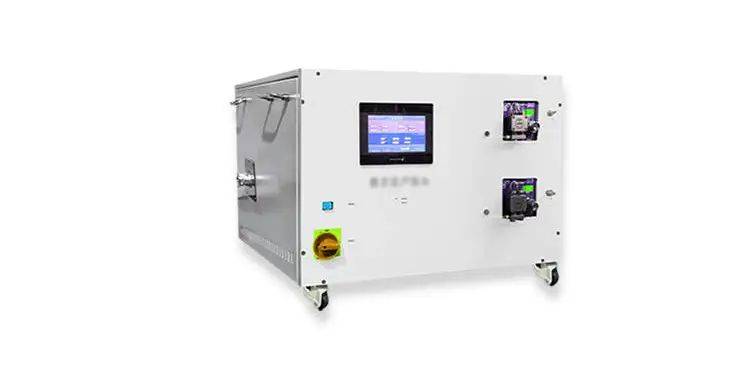
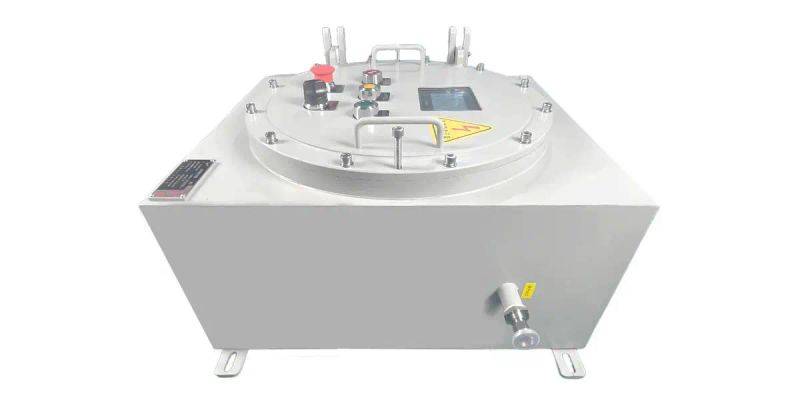
Special scenario: for example, under the sioux canton flag, blast-proof water vapour generators。
2 elements of maintenance
Waterproofing: use deioned or distilled water。
Seal check: replacing silica ducts regularly。
Safety tests: calibrate pressure sensors to ensure the sensitivity of the excise valve。
A mastery of laboratory vapour generators not only enhances laboratory efficiency but also prolongs equipment life. If you need further information on the technical parameters of different models (e. G. Power, pressure range), please leave a message