Monitoring of thermal effects in extremely low-temperature environments in areas such as materials, chemicals and quantum studies is key to deciphering substance properties. Researchers need to understand the core data of cryogenic materials, reaction heat, heat-composed, etc., without the help of ultra-low temperature thermometers. – at the core of this technology is the precise capture of thermal changes from micro- to microwatt class under extreme conditions near liquid nitrogen temperature (196°c), which provide a reliable basis for scientific research and industrial applications。
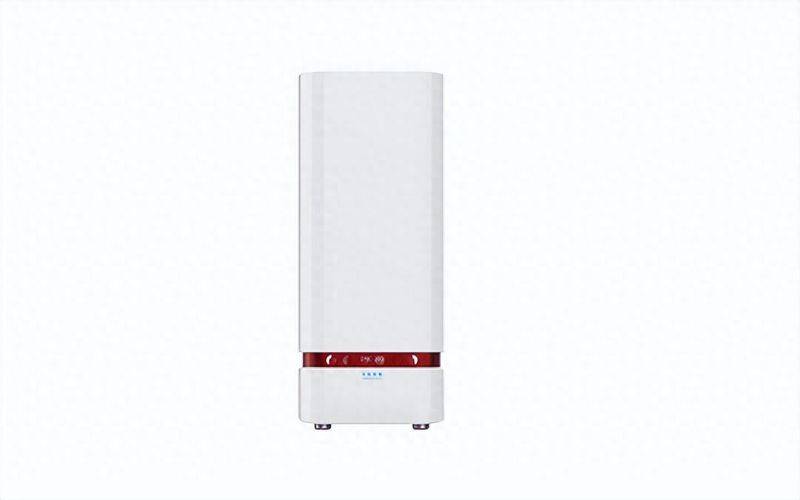
The technological core of the ultra-low temperature thermometer is the sensory and temperature-control system, which is also the main focus of researchers. It uses a 3d heat reactor sensor, based on the classic calvey doctrine (also known as calvet doctrine), which consists of a cage-like three-dimensional array of thermopets capable of capturing all aspects of the changes in the heat to which the samples flow, whether the heat is transmitted, convection or radiation. In order to reduce environmental disturbance, the outer layer of the heat module will use a vacuum separation structure with an automatic liquid nitrogen refrigeration system to avoid the condensation of water due to low temperatures and to further improve measurement accuracy。
In terms of key technical parameters, the requirements for accuracy are almost stringent when researchers experiment. In the case of commonly used ultra-low temperature thermometers (e. G. Instrumentation type dmc-196), temperature ranges can be covered by 196 °c ~ 200 °c, temperature accuracy and accuracy can be controlled at < 0. 1 °c (smelting experiments based on argon), temperature accuracy can be measured at < 0. 1 % (smelting experiments based on argon), peak-peak noise can be low to 1 μw, resolution can be only 0. 1 μw, range up to > 600 mw, > 2000 mw, even very weak heat effects can be captured with precision. This high-precision performance is the core guarantee for researchers to conduct cryogenic experiments。
In practical applications, the value of this technology is fully released. For example, in energy-containing material studies, researchers are required to monitor the decomposition thermal effects of low-temperature materials, achieve temperature-calorie-pressure synchronized tests at 100 mpa (1000 bar) pressure, accurately capture heat changes during decomposition, provide data support for process safety and meet the requirements of the national standard gb/t 42300-2022 safety risk assessment guidelines for the response of fine chemical workers; in natural gas hydrates studies, simulate formation and decomposition of low-temperature high-pressure hydrates, breakthroughs in power-related energy development technologies, and study the effects of promotion agents and inhibitants on hydrates。
In addition to precision, flexibility is crucial when researchers select instruments. Some ultra-low temperature thermometers (e. G. Dmc-196) combined with temperature scanning (dsc model) and thermoworking models (imc model) are flexible enough to fit different experimental needs, with a standard sample pool with a maximum volume of 12. 5 ml, achieve multiple reverse in situ testing of solid-liquid, gas-refining, etc., and can also be equipped with multiple sample pools such as pressure-resisting, mixed pools, etc., and even further expand the application boundary, depending on the sample pool and other attachments to the experimental need。
The technology of ultra-low temperature thermometers is driving scientific breakthroughs in many fields. It allows researchers to break the technical bottlenecks of low-temperature testing by moving from “mixed speculation” to “precision quantification” through which core data can be obtained, both in basic research of quantum materials and in the development of applications of energy-containing and energy-storage materials. The diffusion of this technology has not only lowered the threshold of cold trials, but has also contributed to the country's autonomous innovation in the field of high-end thermal analysis and has given impetus to the high-quality development of the industries concerned。