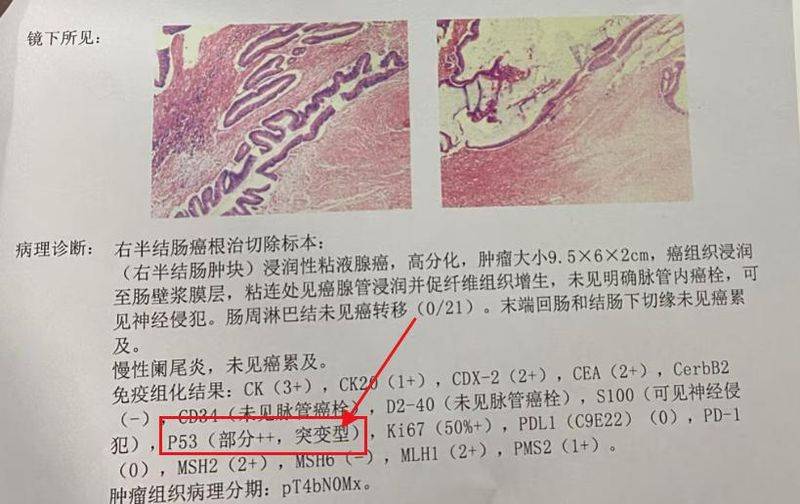
When you get the cancer pathology report and see the p53 hint of mutation, is there any doubt? Does this mean that cancer cells move faster and more dangerously
As an oncologist, i want to tell you in the most straightforward way: p53 mutations are indeed closely related to the increased risk of cancer cell transfer, but the complex scientific logic behind this conclusion is the key to understanding these logics, and it is people who are willing to take part in treatment to better anticipate it
P53 mutation: “out of control switch” for cancer cells
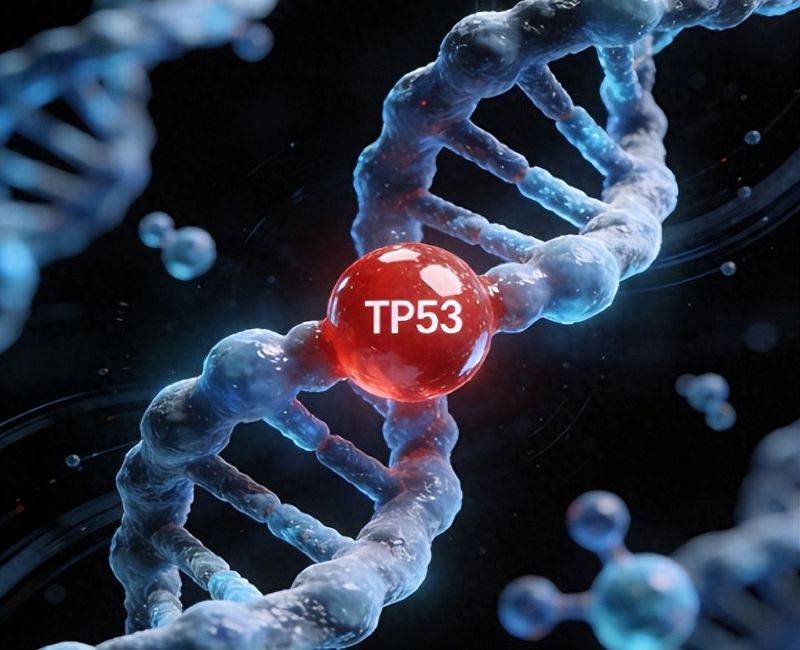
P53 is one of the most important “cancer-free genes” in the human body, and in normal conditions it constantly monitors cell dna damage. When anomalies are detected, p53 activates the repair mechanism immediately; if repair fails, it triggers cell decay (suicide procedure) to prevent cancer。
But when there was a mutation in p53, this protection mechanism failed: instead of being removed in time, cancer cells gained the ability to “infinite growth” and “evad death”。
Studies show that among various cancers such as breast cancer, lung cancer, colon cancer, p53 mutagenic patients have more tumour infestation, and lymphorate transfer rates are 30-50 per cent higher than for wild patients。
How does the mutation p53 drive the transfer
1. Declining cell adhesiveness: mutagenic p53 inhibits the expression of intercellular connection to protein, making cancer cells more vulnerable to detaching from their primary stoves and entering the blood or lymphocyte system。
Angiogenesis: it activates angiogenesis such as vegf and provides a “nutrient pathway” for shifting stoves。
3. Immunization escape: mutation p53 interferes with the recognition of cancer cells by immunosuppressing cells from immune attacks。
4. In the case of intrauterine cancer, the risk of relapse and long-range transfer is significantly higher for stage i patients who combine p53 mutations, even if the tumor is smaller, than for non-modified patients, which is why clinical doctors are more active in treating such patients。
Facing p53 mutations: science is more important than panic
Modern treatment has developed a combination box for mutation p53:
Chemotherapy: medicines such as platinum and viol can directly kill rapidly divided cancer cells and compensate for the collapse of the p53 deficiency。
Target treatment: the drugs for the downstream p53 signal route (e. G. Mdm2 inhibitor) are in clinical trials and have shown some therapeutic effects。
Immunotherapy: pd-1/pd-l1 inhibitors can re-activate the immune system and have some effect on p53 mutation tumours。
Second, treatment decisions need to be combined with other indicators. For example, endocrine treatment may be effective for patients with breast cancer if p53 mutagenic but hormonal receptivity is positive, and for triple-negative breast cancer (tnbc), there is a need for more intensive treatment and targeting. It is therefore possible to develop individualisation programmes by fully communicating with doctors all the information contained in the pathology reports (e. G., tumor stratification, classification, ki-67 multiplier index, etc.)。
List of patient actions
Recording critical data for pathological reporting: in addition to p53 status, focus on indicators such as er/pr, her2, ki-67, which will directly affect treatment options。
Periodic review of visual and oncological markers: patients with p53 mutation need to reduce review intervals and be able to be detected early if transferred。
Maintaining a healthy lifestyle: studies have shown that balanced diet, moderate exercise can reduce the level of inflammation and indirectly inhibit cancer cell transfer。
If you have any questions, you can raise them and respond when you see them