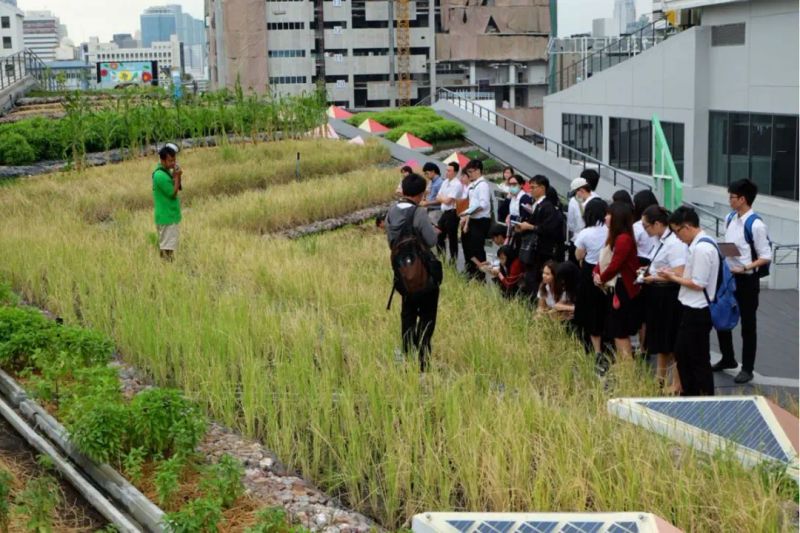
As construction density increases, the greening of the ground becomes more limited. The greening of the roof as the “fifth floor of the building” is also gaining prominence. The greening of the roof is the planting of gardening plants in a fully artificial environment, the introduction of earth and irrigation systems to provide the necessary conditions for the growth of the gardening plants, and a form of greening of the building's top floor。
The greening of the roof has many benefits for the habitat environment:
Improved urban greening coverage and air landscape
2 congestion of dust reduces noise and improves environmental quality
Reduce the urban heat island effect and achieve ecological efficiency
4 mitigating rain-fed house spills and reducing drainage pressures
5. Effective protection of the housing structure and extension of waterproof life
6 maintenance of winter and summer buildings and energy conservation。
The types of roof greening, depending on the location and the nature of its use, are: ecological, combination, garden, family, scientific。
1. Eco-roof greening (also known as grass blanket light or earthless matrix)
The use of drought-resistant, infertile, ground-resistant, wind-resistant and cold-resistant vegetation flattens into the greening structure of the roof, which is light in weight and wide in scope, is the simplest way to green the roof. The greening effect is more extensive and natural, and the plants selected are mostly landscapes and grasses, which can be used for those roofs with heavy burden, small housing or commerce. The features are as follows:
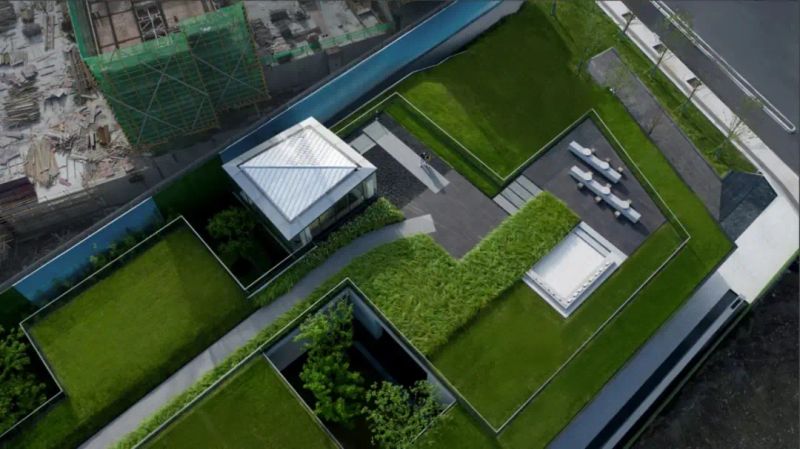
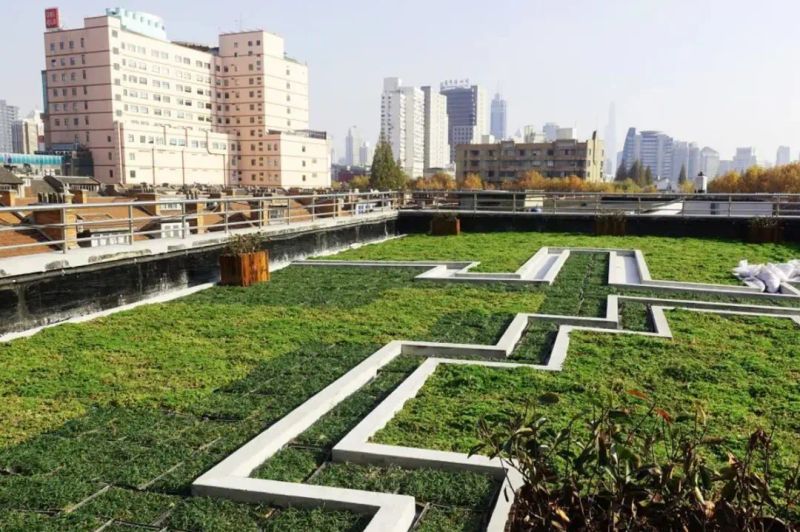
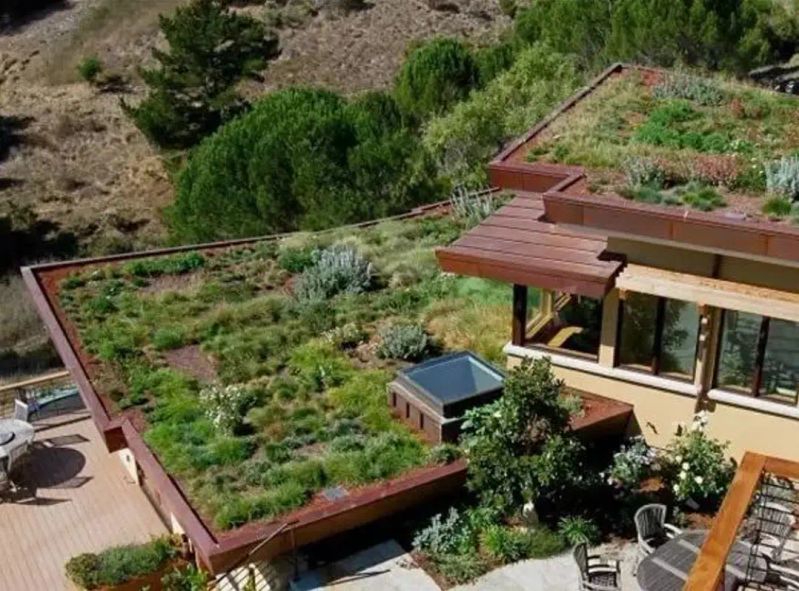
2. Greening of combination roofs
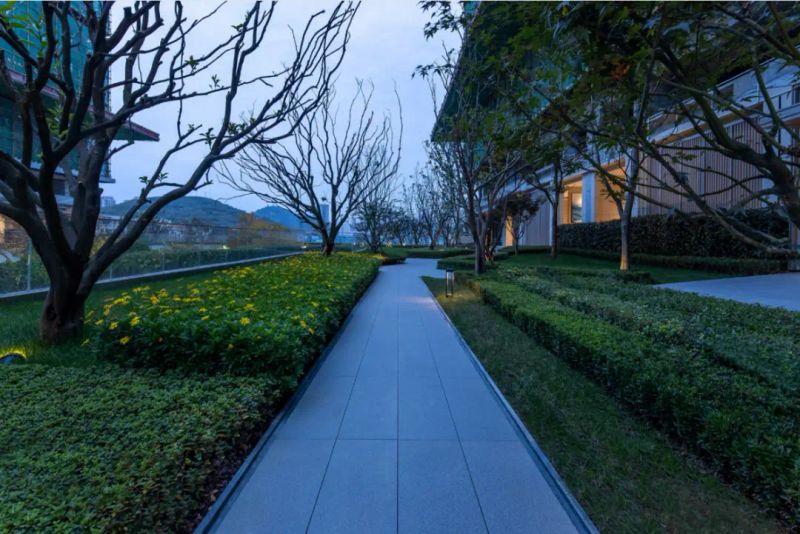
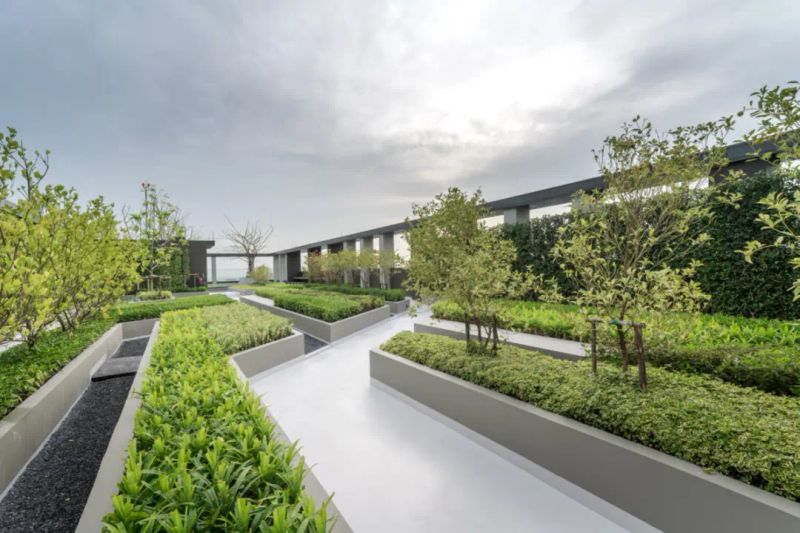
The use of a small fraction of the low bush, the small amount of the wood and the larger variety of vegetation can create a landscape of high and low error, but requires regular conservation and irrigation. There were increases in maintenance, costs and weight compared to the lawn. The features are as follows:
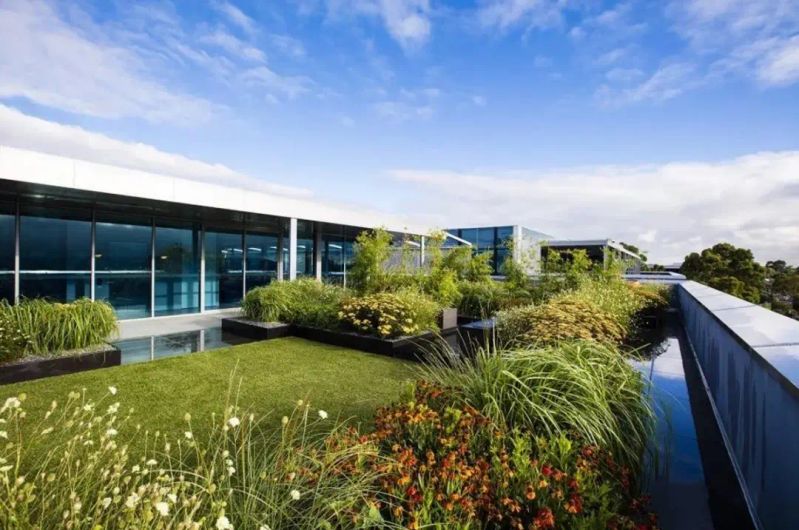
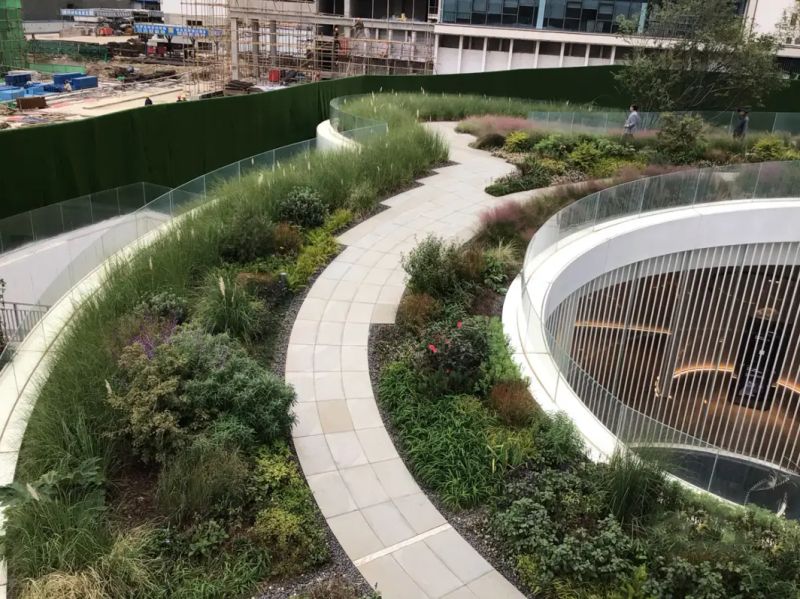
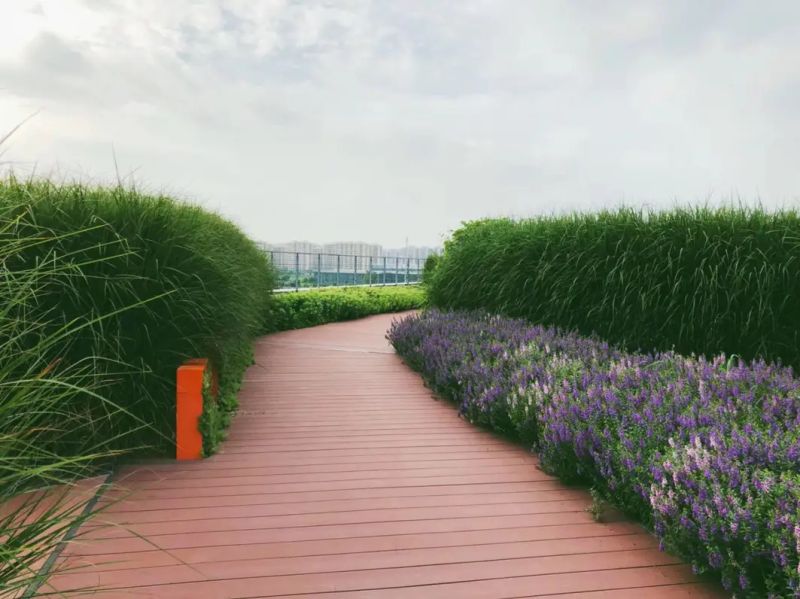
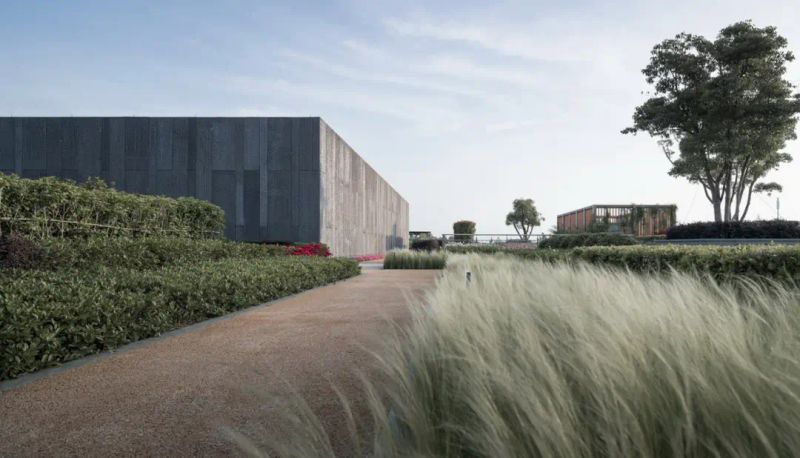
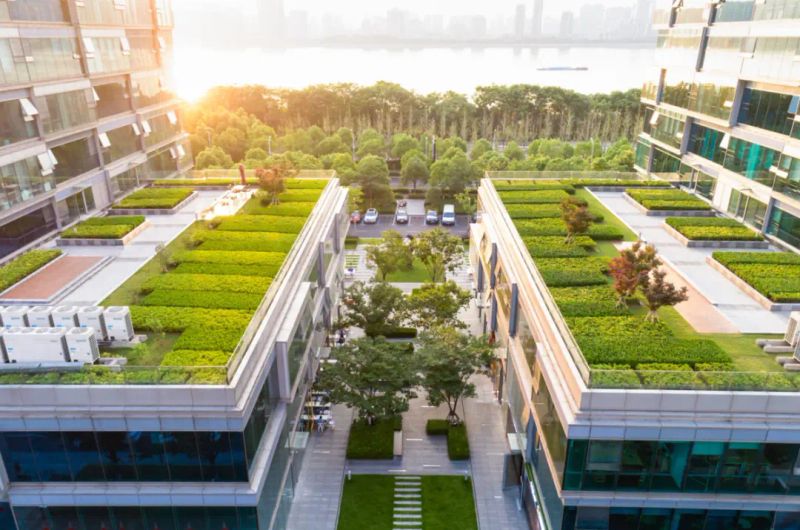
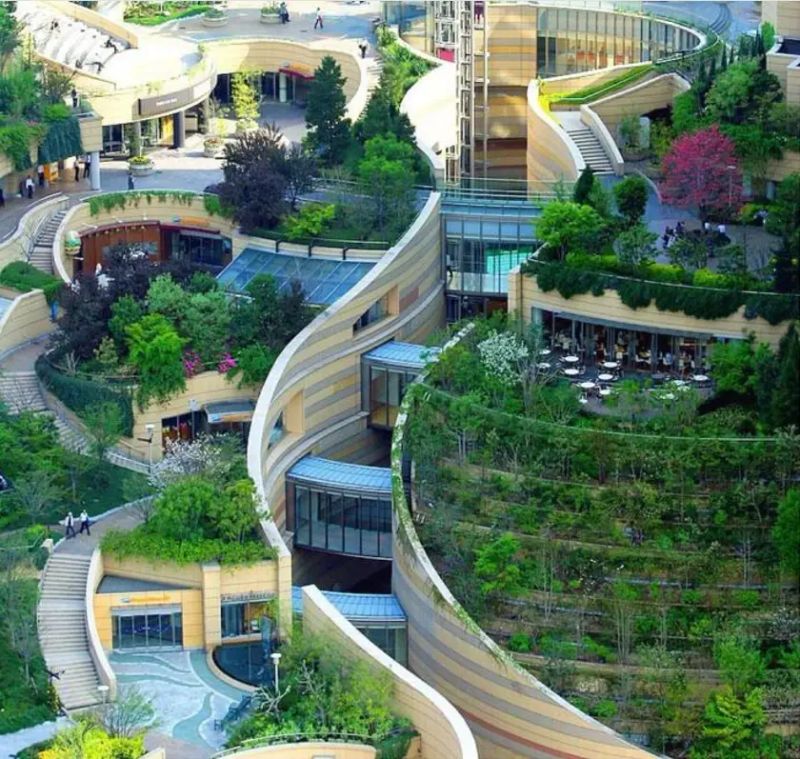
3. Greening of garden roofs
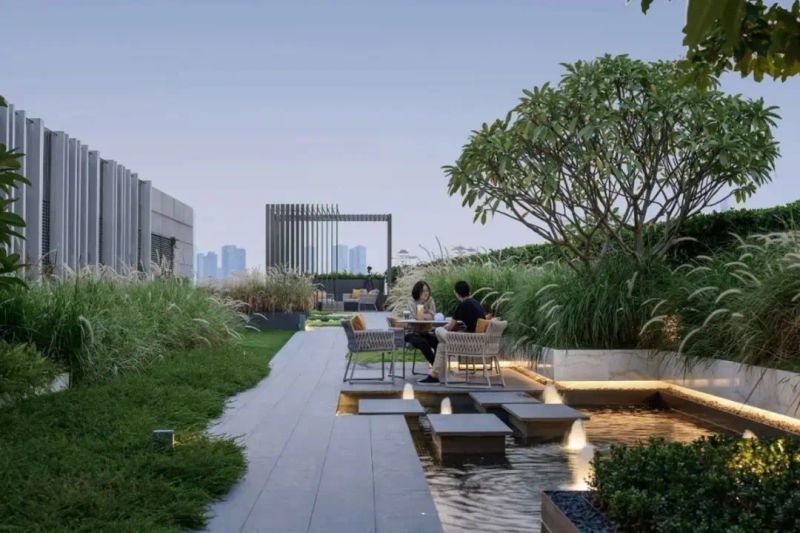
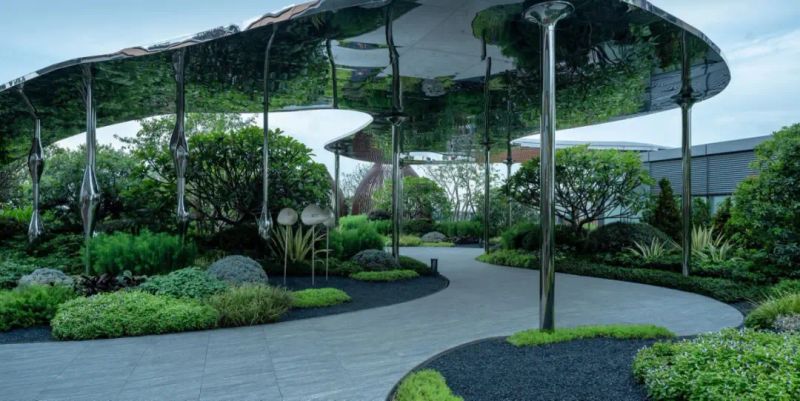
More forms of viewing, including landscapes, buildings and water bodies, can be used, and are enriched in vegetation species, allowing for the planting of larger carpentry, requiring regular irrigation and fertilization, thus placing high demands on building roof loads. The features are as follows:
4. Family-type roofing
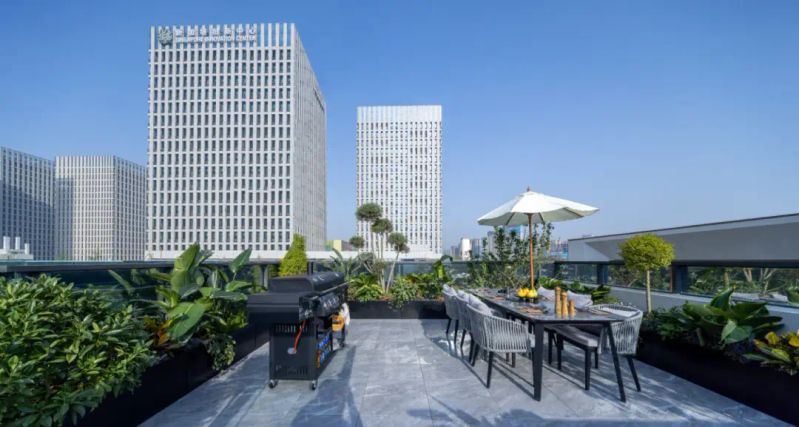
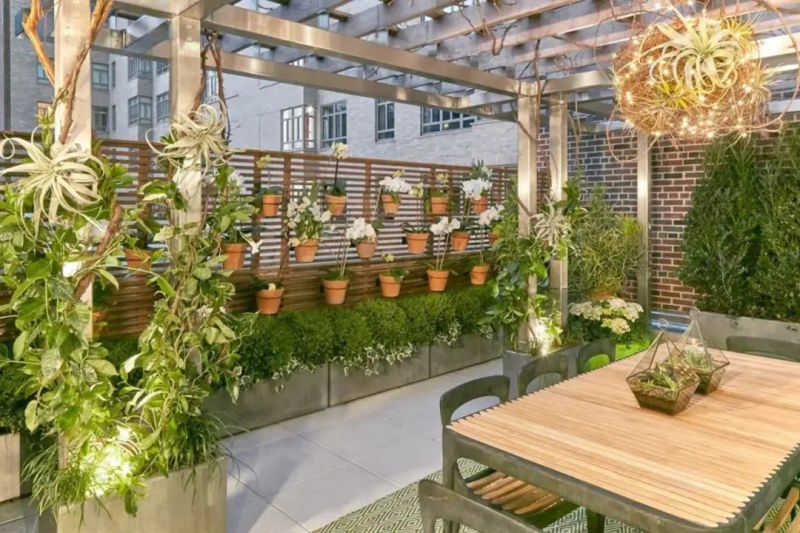
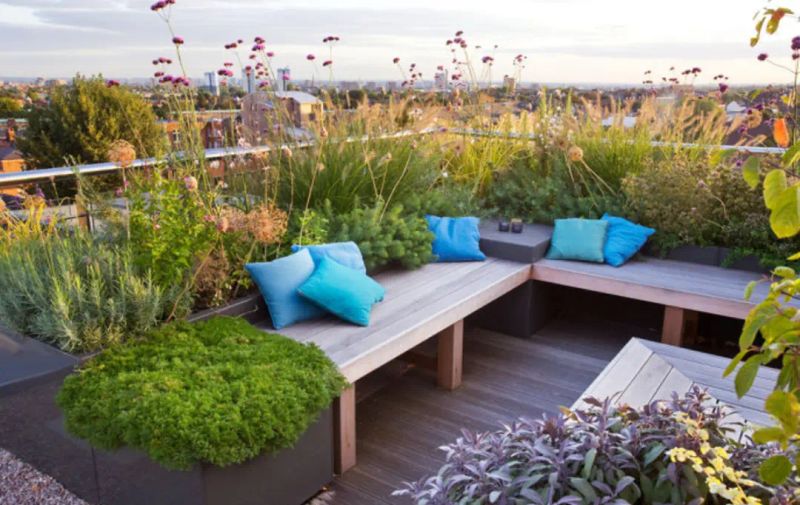
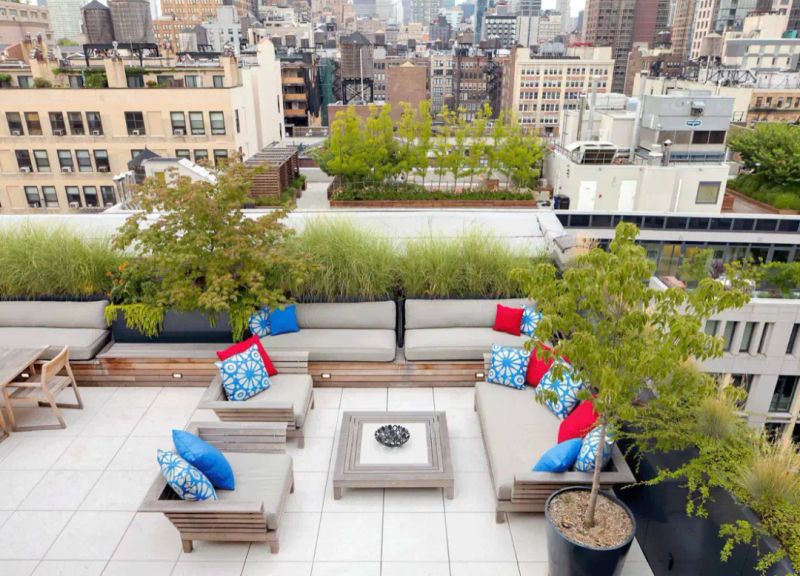
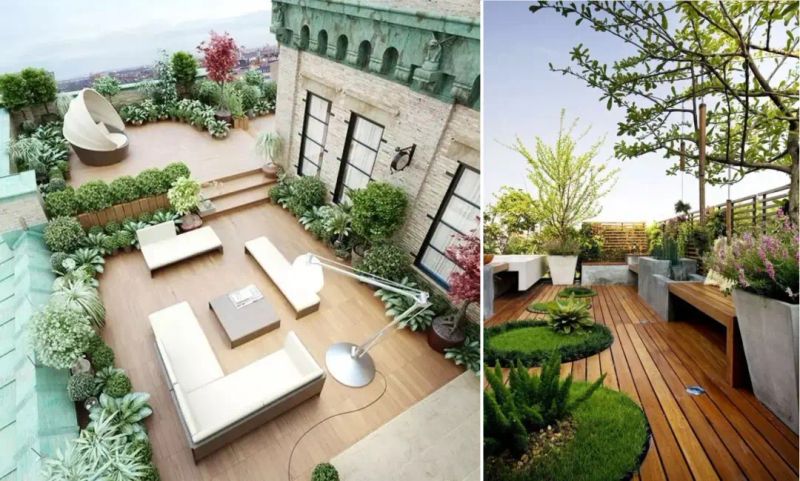
Roofs are greener than stairwells and villas, and small gardens are built on their own roofs or terraces, usually based on rest, flowers, vegetables, etc。
5. Greening of scientific roofs
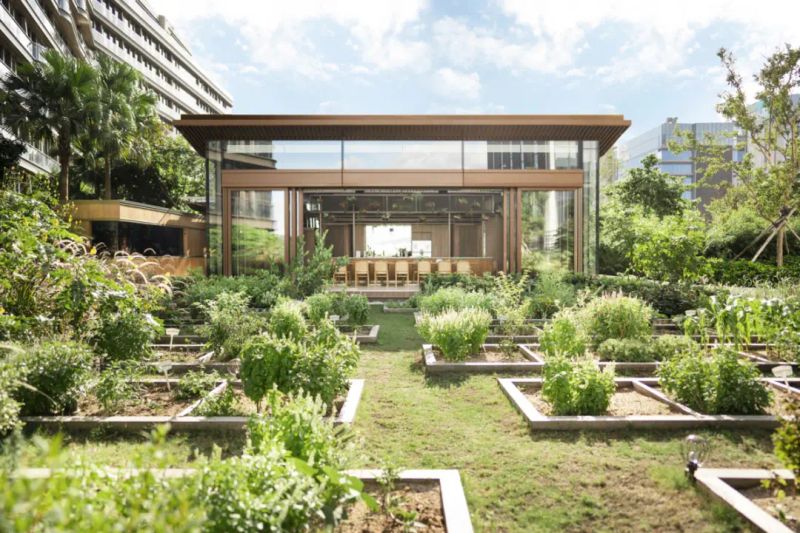
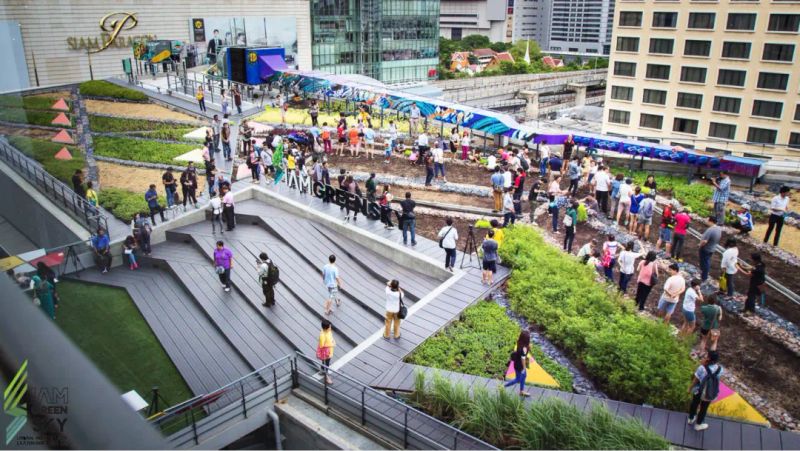
The greening of the roofs is dominated by scientific production, research and agriculture。
Ii. Composition of the greening structure of the roof
The tectonic level of the roof greens the floors of the roofs: vegetation layer, planting layer, quarantine filter layer, drain (accumulation) layer, wet layer, root shield, waterproof layer and roof (for information only)。
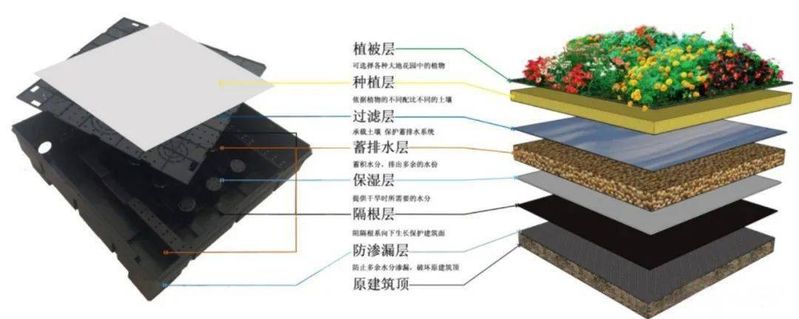
1 vegetation layer: as far as possible, the wood plantation area is located at the bearing beam and at the top of the pole。
2 cultivation of earth layer
1) the greening of the roof is designed to ensure that the foundation thickness of the trees can be properly shaped by the earth, which must be located at the height of the earth's piles at the bearing beam and the top of the column。
2) the matrix is selected for a specific matrix. There are mainly two types of improved soil and superweight matrix. The soil is improved by a mix of fields, drainage materials, light bone materials and fertilizers, and super-light matrix consisting of three parts of surface cover, planting into layers and drainage reservoirs。
3) the roof greening matrix should meet the thickness requirements。
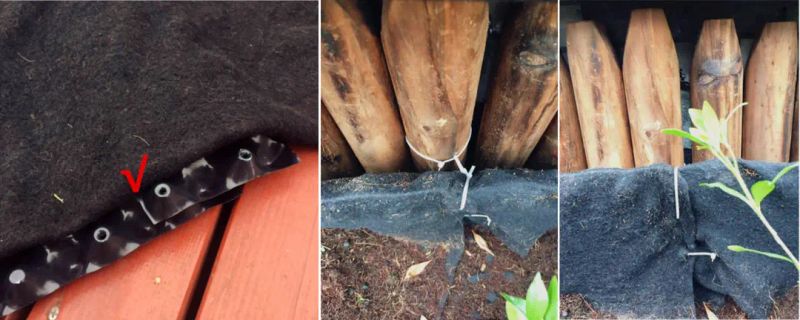
3 segregated filtration layer: the sequestered filtration layer typically uses materials such as water-penetrating and filtration-free polyester fibres with an effective width of 10-20 cm above the substrate (accumulation) and extending to 5 cm below the substrate of the building side wall。
4 sewage (accumulation): the material should be designed according to the roof drain, with the choice of a variety of types of drainage (accumulation) panels, such as cams, modules and combinations, or ceramics greater than 0. 4 - 1. 6 cm in diameter, with a thickness of 50 mm。
(b) sequestering: its role is both to save water and to ensure that the roots of plants have moisture; and to drain to prevent flooding. In addition, it has its roots。

5-dry root piercing: 3 different types of waterproofing, soft waterproofing or membrane waterproofing may be chosen, with two or more paths to the waterproofing layer, with the uppermost waterproofing material having no less than 15 years of use。
Iii. Selection of green plant varieties on the roof
1. The five main principles for greening plants on the roof:
1. Selection of drought-resistant, cold-resistant shrubs and herbs
2. Selection of positive, infertile shallow roots
3. Selection of wind-resistant, non-volatile, water-resistant plant species
The selection of plants that are mostly green and open in winter
To the extent possible, indigenous plants are selected and green new varieties are introduced。
2. Choice of commonly used plant varieties:
Scientific: valegrass, porcelain grass, golden leaves, etc
Juicy: daisy daisy, daisy daisy, pine daisy, purple, etc
Manga: thin leaves, morning light, wolftails, reeds, etc
Chicken plants: vives, reptiles, ivy, silver flowers, etc
Flower shrubs: pomegranate, magma, violet, clove, guava, etc
Vervagras/basin/polysy/breas/breath/ivy
Leaf man/wolftails/vioc/red maple