How does a pulse filter work
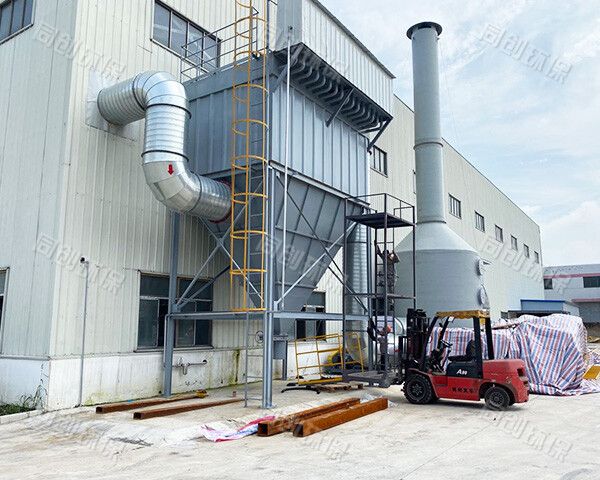
The method of work is to clean the dust from the bag filters by jetting pulse streams, thus maintaining their air-transaction and dust removal effects. Pulse filter scrubbers consist mainly of filters, blowers, blowers, ash-clearing controllers, etc. During work, the dust enters the filter room of the scrubber through material processing. In the filtration chamber, a large number of filters are packed, dust particles are removed from the filter, and gas through the filtration surface enters the filter interior. Within the filter, the gas enters the cleaning chamber through the filter and discharges the dedustor. In turn, the dust on the surface of the filter accumulates gradually, hindering the movement of gases and affecting the dust removal effect of the scrubber. Therefore, regular cleaning of dust on filters is required. Pulse blowing is the core ash-clearing technology for pulse filters。
In the course of operations, by controlling the signal of the ash-clearing controller, the blow-out system sprays a pulsed air stream above the filter. Pulse blowing systems consist mainly of nozzles, air bags, compressed air systems, etc. When the ash controller receives the ash signal, it opens the pulse valve of the airbag and allows the compressed air to enter the airbag quickly. Through the opening of the pulse valve, compressed air is released into the nozzle to form a pulse flow and sprayed into the inner wall of the filter. Spraying of pulsed air currents can generate a significant impact, stripping off the dust from the filter and dropping it into the dust caps or dust tanks of the scrubber. This process is called a back blow, which restores the air-respiration performance of the filter and keeps the scrubber working. The pulsation filter ash removal process is generally divided into four steps: the air-blowing phase, the air-breathing phase, the exhaust phase and the back-blowing recovery. During the air-blowing phase, pulse streams are sprayed through nozzles to the surface of the filter, generating a shock to remove dust from the filter, which is taken to the dust room for collection. The valve is then closed during the gas phase and the compressed air flow in the airbag is stopped。
During the vent phase, the nozzles are closed and the compressed air above the filter escapes while eliminating dust. During the back-blow recovery phase, the particles on the surface of the filter were completely removed, the filter was restored to a clean state and the next pulse spray was prepared. Through the recycling of the above-mentioned ash removal process, pulsed filter scrubbers can continuously maintain g-effect dust removal for dust purification purposes. In summary, a pulsed filter scrubber is a g-efficient, reliable dust removal device by using the impact of the pulse blower system to clean the dust from the filter, thereby maintaining the air penetration and dust removal of the filter. It is widely used in many industrial areas, such as metallurgy, mines, chemicals and building materials, and plays an important role in cleaning the air, improving the working environment and protecting people's health。