Polypropylene (pp) particle production, polystyrene (ps) particle production: raw materials, ratio and process processes
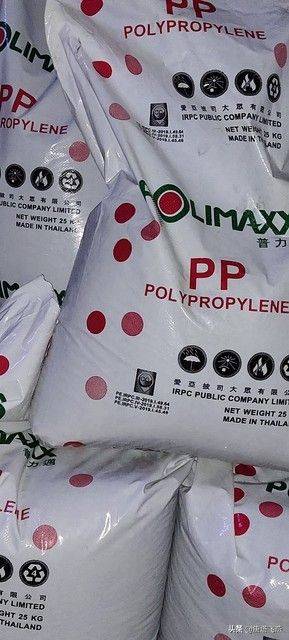
The following are common industry criteria for the classification of raw new particles (synthesis production) and recycled particles (reproduction of used plastics, small production capacity in the mainstream market)
I. Polypropylene (pp) particulate production
(i) composition and share of raw materials
1. Primary pp particles ( petrochemical stage, all / all gps)
It is used only for the production of polymers at large petrochemical plants and not at small or medium-sized processing plants。
(1) core main
The percentage of polymer-grade acetylene monomer (purity 99. 5%) is 99. 0% - 99. 8%。
(2) functional aids (minimal additions)
Anti-oxygen (1010/168), nuclear agents, smoother, opener, chromosomal particles, combined, 0. 2% ~ 1. 0%。
(3) unfilled, unrecovered, extremely pure。
2. Reproduction of pp particles (mainstream small and medium plants with 3 tranches)
Used pp products are the core material for physical melting of particles。
(1) high-end pure white pp particles
Core raw materials: used and used pure and clean pps (large white knitted bags, new edges, food grade pp wastes)
Filling/assistants: antioxidant + dispersant, unfilled。
Quality ratio: used pp: 99%; assistive: 1%。
(2) general pp at the mid end
Core raw materials: florist pp swingbox, household electric shell, common knitting bags。
Fill/assistants: calcium carbonate (downfall)+assets。
Quality ratio: used pp: 90%; calcium carbonate: 9%; auxiliary: 1%。
(3) low-end black pp particles
Core materials: used car bumpers, hybrid pp waste, mixed plastics。
Filling/assistants: high percentage calcium carbonate + black carbon mother. Cc by-nc-nd 2. 0
Quality ratio: used pp: 75%; calcium carbonate: 24%; color + assistive: 1%。
(ii) standard processes
1. Primary pp particles (polymerized particles, petrochemical processes)
Acrylic monomer → high pressure gas phase/incorporate polymer → melted and melted → vacuum dislodging → underwater cutting → dehydrated dry → equalized sifting → packed into the library。
2. Reproduction of pp particles (physical particles, industrial use)
1. Selection
Artificial/mechanical separation of pp material, removal of impurities such as pvc, pet, metals, sediments, graded by colour (white/flower/black)。
Fragmentation
The shredder was broken into 3-8 mm debris, increasing subsequent cleaning and melting efficiency。
Cleaning and removal
Grid cleaner + multi-stage drift washing to remove oil pollution, mud, paper impurities; no sewage discharge can be used for dry wind selection。
4. Centrifugal dehydration
Water content control of < 1% after dehydration to prevent the development of particulate bubbles and degradation。
Melting out (core)
A single/double screw squeezer melts at a temperature of 180 ~ 230°c and filters small impurities through multiple filters。
6. Polling cooling
Models are squeezed out of plastic strips and the sink is cold/windy。
7. Particle cutting
The plastic-cutting machine cuts into standard cylindrical particles。
8. Screening and packaging
(c) discrepancies of inadequate particles, which are said to be repackaged into the library。
Ii. Pyramid production
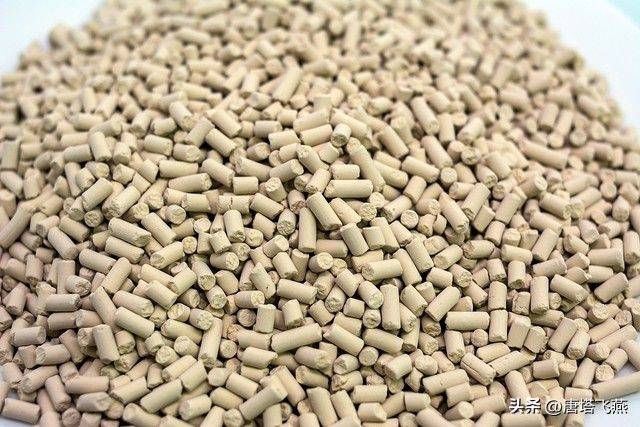
Ps is classified as generic-level gps (transparent), high-intensity hipcs (untransparent), and regenerative pss are dominated by used foams, household shells, and lunch boxes。
(i) composition and share of raw materials
1. Primary ps particles ( petrochemical level)
(1) core main
Polystyrene monomer, 97% ~99%。
(2) auxiliary system
Ips needs to add polybutadiene rubber (resilience), plus anti-oxygen, lubricant, color mother, which together accounts for 1 % ~ 3 %。
Regeneration ps particles (market mainstream)
(1) high-end transparent ps particles
Core materials: used and transparent ps boxes, household electricity transparency panels, new edges。
Filling/assistants: filling/assistants are only antioxidants and are not filled。
Quality ratio: used ps: 99%; assistive: 1%。
(2) medium hips particle
Core material: used household electrical casings, ps retrospects, miscellaneous ps materials。
Filling/assistants: a small amount of calcium carbonate+colour mothers。
Quality ratio: used ps: 92%; filling + colour mother: 7%; assistive: 1%。
(3) low end ps foam particles
Core material: used eps foam boxes, packaging foams。
Filling/assisting: no fill, only osteoporants。
Quality ratio: used ps foam: 99. 5%; assistive: 0. 5%。
(4) key features
The ps is very fragile, and the high percentage of calcium carbonate added is strictly prohibited, otherwise the finished product is fragile and the industry is rarely refilled。
(ii) standard processes
1. Primary ps particles (polymerized particles)
Styrene monomer poach / incorporate poach poach poach poach poach poach poach poach poach poach poach poach poach poach poach poach poach poach poach poach poach poach poach poach poach poach poach poach poach poach poach poach poach poach poach poach poach poach poach poach poach poach poach poach poach poach poach poach poach poach poach poach。
2. Reproduction of ps particles (physically constructed particles, foams need to be reduced first)
(1) discrepancies
Split ps material, remove tape, sand, non-ps miscellaneous from foam。
2) foam decomposition (eps-specific)
Used foams are large, reduced in size by heat-melting/cooling。
(3) broken
Fragmentation into ps fragments/foam blocks。
(4) clean dehydration
Clean water drifts in impurities and centrifugal dehydration (ps at high temperature and prone to degradation and strictly prohibited)。
(5) melting out
The extruder temperature is 160 ~200 °c (low ps melting point, overheating yellow) and the impurities are heavily filtered。
(6) pull cooling
The water is cold and fixed to avoid adhesion。
(7) particle cutting, sifting, packaging
Standard cuts, dust removal, bagging。
Summary of the distinction between the core processes of the two particles
(i) process temperature
1. Pp
180 ~ 230 °c, resistant to high temperatures, not susceptible to degradation。
2. Ps
160 ~ 200 °c, with high temperatures prone to yellow, precipitous and foreign odor。
(ii) filling habits
Pp may add calcium carbonate at a high rate。
Ps is almost unfilled。