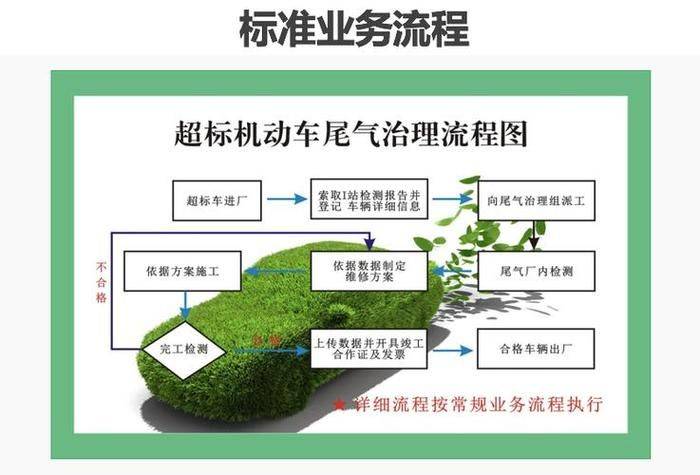
The purpose of the curriculum, which is designed to provide students with the basic knowledge and skills of car tail gas management, to raise their awareness of environmental pollution issues and to build their capacity to address practical problems, is to develop the following: the specific objectives are as follows: the knowledge objective: (1) to understand the composition and hazards of car tail gas; (2) to master the main techniques and principles of car tail gas governance; and (3) to understand the policies and current state of car tail gas governance in the country. Skills objectives: (1) to be able to analyse the technical challenges of car tailings governance; (2) to be able to propose targeted governance options; and (3) to be able to use the knowledge gained to participate in relevant social practices. The goals of emotional attitudes are: (1) to increase students ' awareness of the protection of the environment; (2) to develop students ' feelings of caring for the earth and valuing their resources; and (3) to stimulate students'sense of responsibility for science, technology and innovation and for serving society. Ii. The content of the curriculum consists of three main areas: basic knowledge of car tail gas management: presentation of the composition of car tail gas, hazards and their impact on the environment. Vehicle tail gas management technology: explain the main techniques of car tail gas management, such as catalytic transformation, particulate filtering, nitrogen oxide reduction, etc., and analyse their rationale and strengths and weaknesses. Our auto tailings policy and current status: a description of our car tailings governance policy regulations, an analysis of the effectiveness of policy implementation and problems. Iii. In order to enhance the effectiveness of teaching, the curriculum will use a variety of teaching methods: teaching methods: teaching basic knowledge and theory, leading students to the context and importance of car tail gas management. Discussion methods: students discuss specific issues and build their capacity to analyse and solve problems. Case analysis: by analysing practical cases, students are better informed about vehicle tail gas management techniques and their application. Experimental methods: arrange experimental courses to enable students to operate in person and to increase awareness of vehicle tail gas management techniques. In order to support the teaching of this curriculum, teaching resources will be prepared for the following teaching materials: choice of authoritative, practical teaching materials, and provision of systematic learning materials for students. References: provide reference books in relevant fields and enrich the knowledge base of students. Multimedia materials: production of multimedia materials such as course packages and videos to enhance the taste of classroom teaching. Experimental equipment: acquisition of the necessary experimental equipment to provide students with practical opportunities. Web resources: make use of internet resources to provide students with more learning materials and information. V. The pedagogical evaluation of the curriculum will be conducted in a pluralistic manner, with a comprehensive and objective assessment of the student's learning outcomes. The assessment included: regular performance: classroom participation, responses to questions, panel discussions, etc., representing 30 per cent of the total assessment. Work: includes after-school exercises, studies, etc., representing 20 per cent of the total assessment. Examinations: includes intermediate and final examinations, which account for 50 per cent of the total. The content of the examination will cover all points of knowledge of the course, in the form of selection, filling, brief answers and case analysis. The teaching of the curriculum is organized as follows: teaching time: two classes per week of 16 weeks to ensure that students have sufficient time to digest and absorb the knowledge they have learned. Place of instruction: classrooms and laboratories, providing students with practical opportunities. Vii. Differentiated teaching activities and methods of evaluation will be designed according to students ' different learning styles, interests and levels of competence: for students whose learning style is more practice-oriented, there are more reading materials and case analysis for students whose learning style is more theoretical; for interested students, they are guided by an in-depth study of the latest developments in relevant areas; and for students with higher levels of competence, there are challenging projects and subjects to improve their innovation. Viii. In the course of curriculum implementation, we will conduct periodic pedagogical reflection and evaluation: analyse students ' learning and feedback and learn about the effectiveness of teaching; adapt the content and methods of teaching in a timely manner in order to improve the effectiveness of teaching in the light of their performance; communicate regularly with students to understand their needs and confusion and provide personalized guidance and support to students. In order to make the curriculum more attractive and interactive, pedagogical innovations will be tried in the following innovative ways: using multimedia teaching: visual displaying the composition and hazards of car tail gas through video, animation, etc., to enhance students ' perception. Virtual laboratories: using virtual reality technology, students are provided with simulations of auto tail gas treatment experiments to improve their practical skills. Online interactive platform: set up a course forum or a twitter community to facilitate students ' questions, discussions and exchanges between teachers and students. Project-type learning: students'subgroups complete the auto tail gas governance project and develop the skills of students for teamwork and innovation. X. The interdisciplinary integration of the curriculum will focus on integration with other disciplines to improve the integration of students: integration with chemistry: integrating students into a better understanding of the process of governance by combining the principles of chemistry with the teaching of auto tail gas management techniques. Integration with biology: presentation of the impact of car tail gas on the ecological environment, drawing attention to biological knowledge. Integration with engineering disciplines: explore the application and optimization of auto exhaust governance techniques and build the capacity of students to solve practical problems. Xi. The course on social practices and applications will design the following social practices and applied teaching activities: students visit car tail gas management facilities to learn about the operational processes. (c) conducting a car exhaust governance competition to encourage students to present innovative programmes. Participation in community environmental activities to promote social responsibility and citizenship among students. Xii. The feedback mechanism will establish the following feedback mechanisms for students in order to continuously improve the quality of the curriculum: regular questionnaires will be sent out and student evaluations and recommendations will be collected. The curriculum opinion box is designed to encourage valuable input from students. Regular student encounters to understand the needs and expectations of students. Through these feedback mechanisms, we will continuously adapt and improve teaching to improve students ' learning experience and curriculum effectiveness。