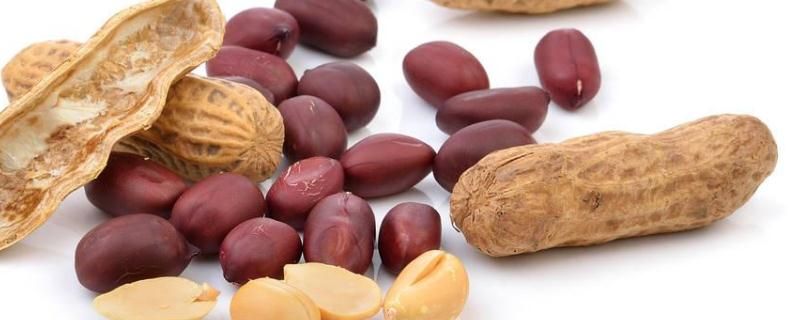
Small peanut varieties should be chosen, with new species produced in the current year, which are full of particles, equal in size, without damage, with strong growth and high growth rates. Peanut sprouts require stricter conditions for temperature and humidity and generally do not require light, but fresh air is required, either in an empty living room or in an empty spare room. The seedling shall be carried out in a seedling, where the immersed seed shall be placed directly in the seedling, and the seedling shall be sprawled up for a stacking, at a temperature appropriate to 22-25°c。
Preparation for cultivation
1. Varieties: select small peanut varieties, new varieties produced in the year of full, identical size, non-harmful, strong and high budding。
2. Places: groundnut sprout production requires strict conditions for temperature and humidity and generally does not require light, but requires fresh air flow, free living rooms or empty rooms, etc。
3 packagings: foam boxes of all specifications are available, usually 60 cm long, 40 cm wide, 25 cm high, flat on the bottom, with drainage vents。
Ii. Solution methodology
Selection: the selection of new seeds for the year should be based on the selection of small white-skin peanut varieties, which are full, equal in size, intact and have a germinate rate of more than 95 per cent。
2. Leaching: selected seeds are immersed in water for 12 to 24 hours, allowing the seeds to fully inflate. The seed is then washed with water two to three times, and sprouts。
3. Drumbs: the seedlings should take place in a sapling, where the immersed seed is played directly in the sap, and the seedlings are then sprawled up for stacking, at temperatures of 22-25°c。
Seeding: a planting container should be cleaned and disinfected, with seedings placed in a plate with a seedling of about 500 grams per plate, but one layer should not accumulate。
Iii. Cultivation management
1. Speculation: after 2-3 days of groundnut sowing, all seedlings that do not sprouts are removed when they grow by 1 cm。
Temperature: peanut buds grow at a temperature of 18-25°c, with more water cooling in the summer and increased temperature protection in the winter。
Water: 3-4 times a day, suitable for clean well water, suitable for all humid seedlings and wet base。
Light: the indoors should remain dim during cultivation and light should not be seen. Otherwise, peanut buds become green and affect appearance and taste。
Harvest: in normal cultivation environments, it takes 7-8 days from seeding to harvest summer and fall festivals, and 8-10 days in winter and spring。
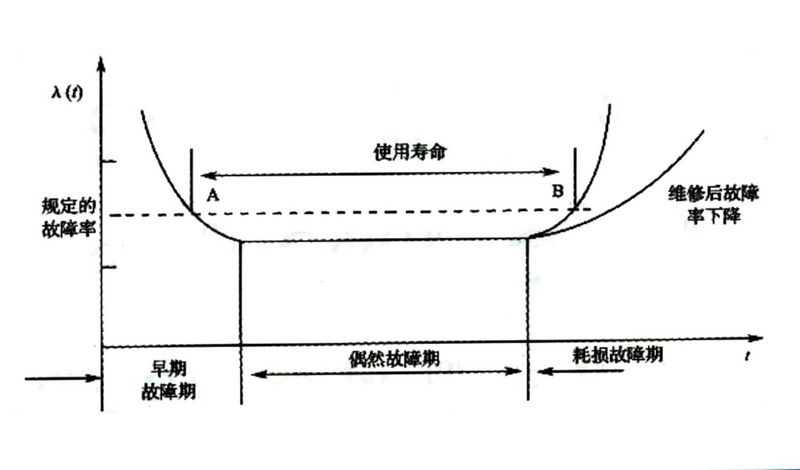
The failure rate for all products varies over time, passing through the early failure phase of the t
More "the pattern of failure over time for all products will pass through the early failure stages of the tub curve, the occasional failure phase and the depletion failure phase"Question 1When b cells are resistant to 19 fluorescent antibodies, the fluorescent patterns on their surface over time include ()。A. Hats, spots, rings, disappearanceB. Rings, hats, spots, disappearanceC. Spotted, ringed, capped, disappearedD. Rings, spots, hats, d
0评论2026-08-07159
Introduction to pressurizer prices, working principles and applications [details]
The pressurizer is a wind delivery device that is not very common or common in our lives, and that may not be known to many people, but is closely related to our lives. There are many malls, offices, hospitals, etc., where pressurizers are installed to prevent occasional need in case of fire. The pressurizers increase the rescue time for firefighters and play an important role in critical life-saving moments. The following is a summary of the pri
0评论2026-08-07149
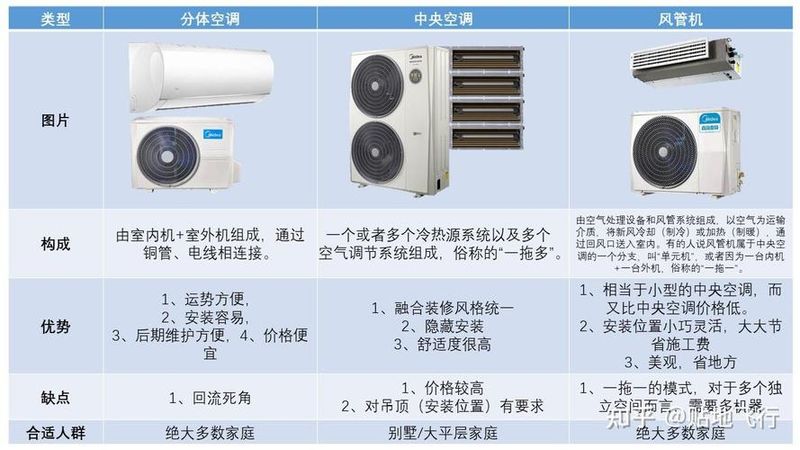
What's the difference between a small chiller and a domestic air conditioner
The use of chillers has gradually increased in life, but there is some doubt as to what a chiller is. And what does the heater do? Can it replace the air conditioner? This is a short time to tell you how the heater compares with the air conditioner。The cooler (evaporation cooler) cooler principle is that when the winder operates, negative pressure is generated into the cavity, resulting in excessive humid flow of wet curtains outside the a
0评论2026-08-07179
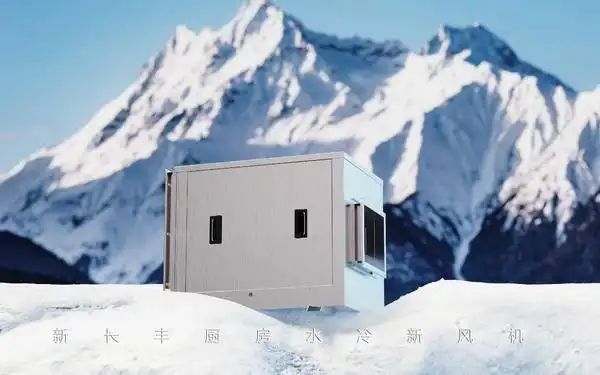
How does the centrifuge work
I'm sure you're familiar with the heaters because they're used in our lives, and you don't know if you know the centrifuges.a machine that relies on imported mechanical energy to increase the pressure of gases and to discharge them, which is an aerodynamic machine. Centrifuges are widely used for ventilation, dusting and cooling in factories, mines, tunnels, cooling towers, vehicles, ships and buildings; ventilation and winding in boilers and ind
0评论2026-08-07147
How much for a home chiller and how much work
You should know that home-based chillers, which are common to us with very large surface areas of specialty paper, a wet curtain and energy-efficient, energy-efficient wind plant, and a well-functioning water-cycle system and float valves, are made up of shell and electronic components, and that you have to pay due attention to the energy-saving equipment of home-based chillers, mainly when selecting to buy them, and to consider the mass and pric
0评论2026-08-07195