The invention is in the area of agricultural farming techniques and involves a method of seeding, garlic seedling and guacamole。
Background technology:
Our facility agriculture has started late, but is growing faster. Following the creation of experiments by researchers and farmers in various locations, the horticultural plant-planting/stereoculture model of the facility has developed rapidly, with significant economic and social benefits. Inter-cropping of different types of crops is based mainly on different types of conjunctivation, depending on the external patterns of the different crops and requirements for temperature, light, etc. The main ones are: (1) stereoculture of different types of vegetables. For example, cucumbers are made of cabbage, pickles, pickles, peppers; tomatoes are made of oil, celery; bitter melons are made of scabs or cucumbers; an additional scavenger is added by using the effective space in the pre-sprouts of tomatoes; tomatoes (or cucumbers), falafés, pre-cooked cabbage efficient stereoculture models, etc. (2) stereotype of grapes. Such as grapes for tomatoes, celery, kale, lettuce and grapes for strawberries. (3) stereoculture of fungus/vegetals, fungus/fruits. Such as celery for mushrooms, spring cucumber for mushrooms, tomatoes for mushrooms, etc. Vegetables used for fungus, groceries, guacamole, bitter melons, pumpkins, lentils, etc., are also used for fungi, maggots, yellowbacks, etc。
In the north-west, however, plant vegetable production is still dominated by conventional vegetables, such as eggplants, peppers, tomatoes and cucumbers, which are produced in a single traditional form, and with the increase in the size of the facility, the availability of the market has increased, with all the attendant phenomena. Growing problems such as the disruption of vegetable crops and secondary salinization of soils have led to an increase in endemic diseases, the accumulation of pathogens in the soil, which has led to the degradation of the inter-eco-ecological environment of vegetable crops, which has resulted not only in a significant reduction in the yields and quality of vegetables, but also in a significant increase in production costs and a relative decline in farmers ' incomes. It is therefore urgent to optimize the physico-chemical nature of land, make rational and efficient use of land, increase vegetable production per unit area, effectively increase farmers ' economic incomes, and develop inter-research and development techniques for stereoculture。
Technical realization elements:
The purpose of this invention is to provide a sprouts, garlic seedlings and guacamole seedlings that optimize the physico-chemical nature of the land, make rational and efficient use of the land and increase the production of vegetables per unit area, in response to the problems of existing technologies。
To this end, the following technical programmes were adopted:
A sprout, garlic sprout and bitter sapling method, including the following steps:
(1) selection
(b) select the high-quality garlic and buddhist melons to be sprouted
(2) whole area application of base fat
(b) before seeding, application of base fertilizer followed by a deep roll, flattening, rise, 50-70 cm wide, 30-50 cm wide and 20-40 cm tall in the shed
(3) seeding
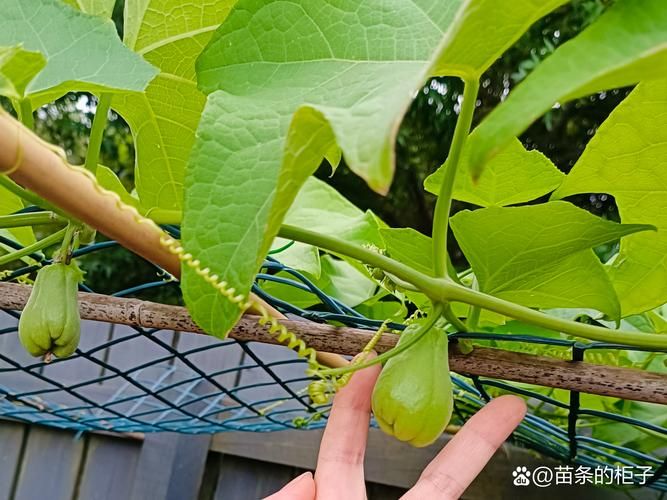
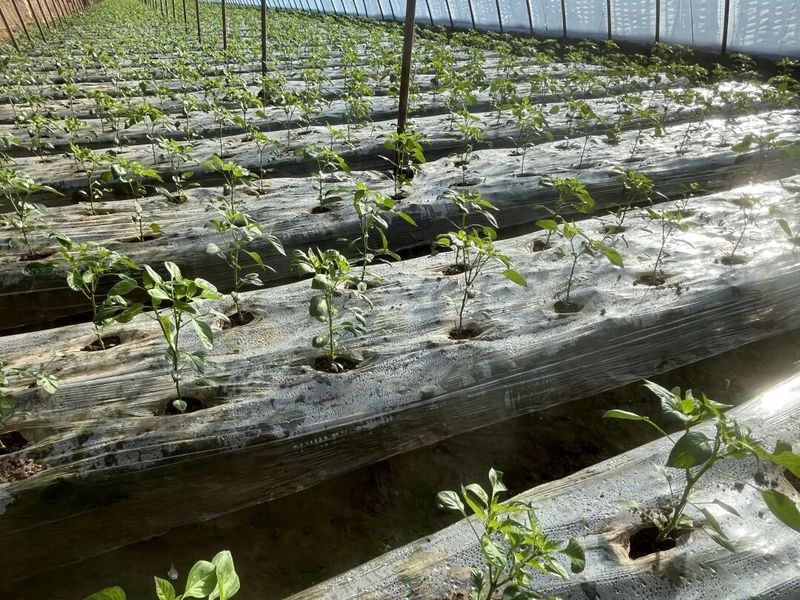
Cultivation of buddha's handmelon on the side of the cheek by 55-65 centimetres and 35-45 centimetres, with two rows per side, a row of garlic in the middle of two rows of buddha's handmelon on the side of each for a week, 10-15 centimetres away; covering the membrane after the hand's seed
(4) field management
(b) platinum sheeting at 25 to 35 cm from the top of the growth of the buddha's hand seedling, with a combination of nitrogen phosphorus every 18 to 22 days
(b) the collection of fresh seedlings is continued as the sprouts grow to 28-32 cm
(5) bitter melon seed
After the harvest of garlic seedlings, the choice was made for the breeding of good-quality hard-melon varieties, which were planted in the middle of two trades, with a distance of 100 to 120 centimetres, with the buddha's handmelon growing on its anniversary
The bitter melons are followed every 13-16 days by water with a combination of nitrous phosphorus fertilizer, and the bitter melons are falconized, and the plant leaves are removed in due course and ventilation is maintained。
Further, in step (1), the sprout process described was the insertion of fine sand in the foam box, the placement of the scavenging side of the falcon in the sand, and then the covering of 1 to 3 cm thick sand on the falcon, keeping the scab relatively watery 75 to 80 per cent and at a temperature of 15 to 20°c, and the completion of the sprouts when the embryo grows out of the sand。
Further, in step (3), the buddha's handmelon is seeded in type。
Further, in step (3), during the winter season, the planting of verbal and garlic seedlings is integrated。
Further, in step (5), during the early spring spring season, the seeding of bitter gourds。
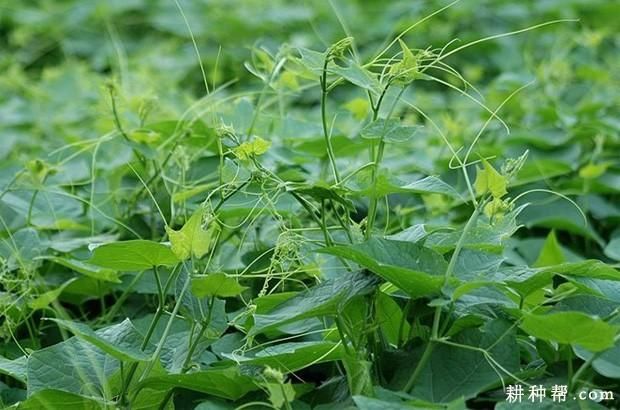
The buddha's handmeasure is also known as the hayabusa, the annangua, the cucumber, and so on. The buddha's hand is pure and rich in nutrients and can cook and eat as fruits. In recent years, the sprouts, which have been grown by the buddha's handmeasure, have become tasteful and nutritious and have become a fashionable fresh vegetable, which many have also called larvae, with growing artificial cultivation. The sprouts, which grow to a certain length, continue to produce new sprouts, so that the sprouts can be harvested for a long period of time and are sufficient for the cultivation and production of the anniversary。
Further studies have found that the microbial balance and physico-chemical properties of the soil can decline as a result of the annual production of buddha's handmeasure, which affects the quality of the sprouts. The graft of garlic can increase the activity and quantity of soil micro-organisms and optimize soil physico-chemicality, thereby improving the soil environment and effectively mitigating the barrier of the buddha's handmeasure. The summer light is strong and the sprouts of the buddha's hand are very old. And bitter melons are warm and flourish in the summer, and their leaves are effective in shielding the exposure of strong light to the buds of buddha's hand and in mitigating light aging. Thus, the above-mentioned anniversary production technique addresses both soil environmental problems and the loss of the quality of the sprouts caused by strong light, while achieving efficiency gains。
The benefits of this invention are the rational and efficient use of land, the provision of suitable soil environment and light conditions for the growth of buddha's seedlings, the achievement of a high-quality harvest of the anniversary of buddha's seedlings, and the increase in the production of vegetable production per unit area and the increase in the economic income of farmers。
Implementation modalities
This ist programme is further described below through practical implementation examples。
A sprout, garlic sprout and bitter sapling method, including the following steps:
(1) selection
The selection of the high-quality garlic and falcon melons and their seedlings are as follows:
(a) filling in the foam boxes with sand, putting on the side of the buddha's melon and then covering on the buddha's melon a fine sand of one to three centimetres, keeping the sand in relative water content of 75 to 80 per cent, at temperatures of 15 to 20°c, when the embryo grows out of the sand
(2) whole area application of base fat
Before seeding, glyphs are applied, followed by deep flipping, flattening, rise-up, 50-70 cm wide, 30-50 cm wide and 20-40 cm high in the gutter; and base fertilizer composition and usage: (b) 1400-1600 kg of organic fertilizer per acre fully decomposed and 40-60 kg of potassium nitrogen phosphorus compound
(3) seeding
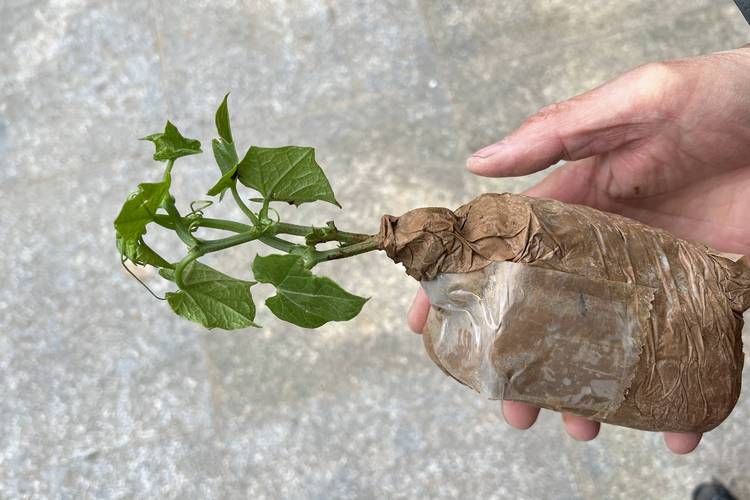
Cultivated on the side of the lids at a distance of 55-65 centimetres and 35-45 centimetres; planted two rows of bouquets each and sowed in the font of each line; planted a line of garlic in the middle of two rows of bouquets a week later; covered the membranes after the bouquet had been released; and in this invention, during the winter season, in the middle of september, the guava and garlic were planted
(4) field management
(b) plasma cedar stalking 25 - 35 cm from the top of the growth of the fowl seedling, with a combination of potassium nitrogen phosphorus every 18 - 22 days followed by water and 10 - 20 kg per acre
(b) the collection of fresh seedlings is continued as the sprouts grow to 28-32 cm
(5) bitter melon seed
Following the harvest of garlic seedlings in late february, high-quality varieties of bitter melons were selected for seedlings, which were then planted in the middle of two rows of buddha's handmelon, at a distance of 100 to 120 centimetres, with the buddha's handmelon growing on its anniversary; in this invention, during the early spring season, between late march and early april, the seeding of bitter melons was made
The bitter melons are followed every 13-16 days by water with a combination of nitrous phosphorus fertilizer, and the bitter melons are falconized, and the plant leaves are removed in due course and ventilation is maintained。
The compound fertilizer of nitrogen phosphorus used in this invention included ammonium phosphate, ammonium phosphate and potassium phosphate。
In order to further validate the role of the garlic herbs in improving the soil environment, the invention conducted a comparative sample of soil microbiological content of single-hand and single-hand planks of garlic, respectively, as shown in the following table:
Comparison of soil microbiological content
As can be seen from the above table, following the planting of garlic, there is a marked increase in the levels of bacterial, fungi and filamentary microorganisms in the soil, which in turn can improve soil physico-chemicality and the quality of plumbing。