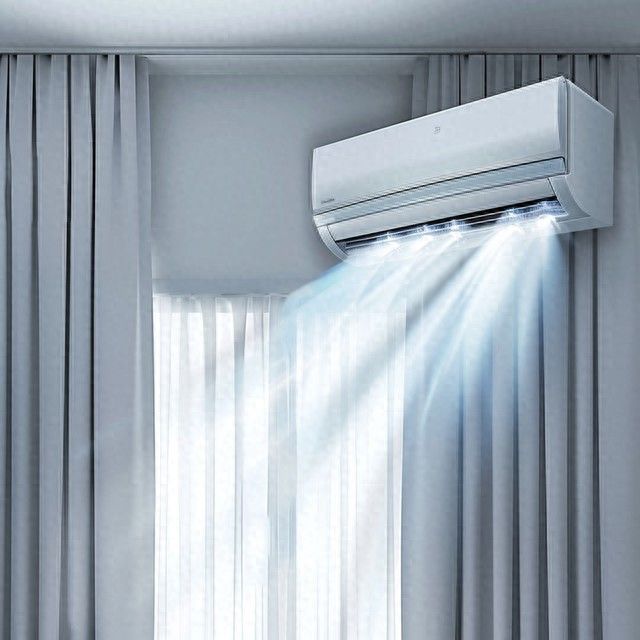
Every year in the yellow-mei rainy season, owners in the south are always damp: waterballs on the floor, moldy wallpapers, sticky clothes in the closet... For large stairwells, the whole house is not just a comfort requirement, but also an immediate need to protect renovations and health. New wind scrubbers are often recommended as a solution, but does it really fit all the large layers? Today we talk about its rationale, its advantages and its hidden “trap”。
Core logic of new wind dehumidifiers: ventilation + wetting
New wind dehumidifiers work through two key steps:
1. Forced ventilation: the number of residential air exchanges shall be 0. 7 times/h, as required by national standards gb/t 18883. The equipment transports the new filtration wind to the interior through pipelines while draining wet and dirty air to maintain air flow。
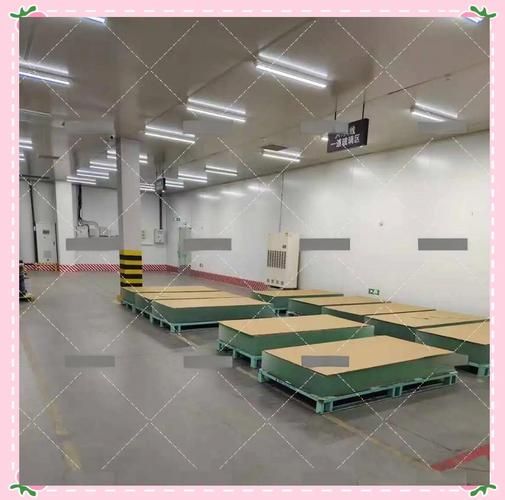
Refrigeration dewetization: the built-in compressor acts as a “small-scale air conditioner” that cools the wet air to below the dew temperature and dissects the water. In the case of a model commonly used by demán comfort homes, the daily wetting can be as high as 68 litres (applying 80-100m2) and combined with 720 m3/h circulation wind, which can reduce humidity quickly。
Apply scenes and advantages
- small and medium-sized households: for large layers up to 200 m2, a single device can be covered and installed in a simple manner (e. G., a ceiling machine of 30 cm thick)。
- high value for money: equipment costs about $20,000-$50,000, which is well below the cost of complex systems, and lower costs of electricity (e. G. 1,000 w power, average daily electricity consumption of about 24 degrees)。
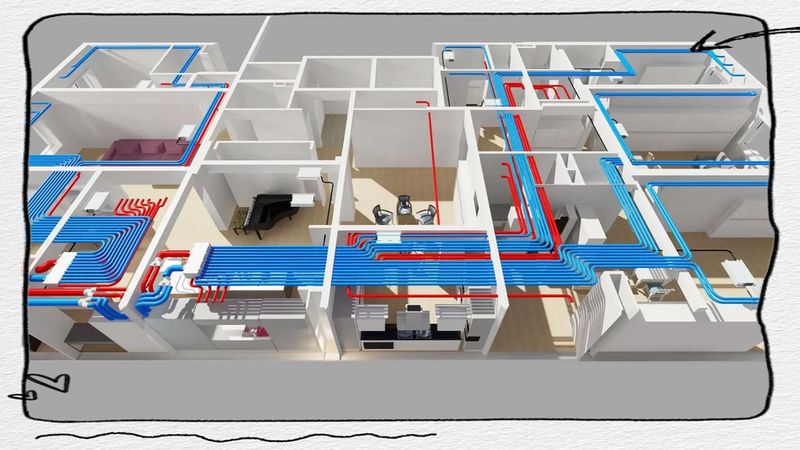
- flexible regulation: sub-regional moisture control and energy savings from the closure of unoccupied rooms. The de man comfort family had designed a “zone humidity monitoring + cellular ap link” for a customer to achieve precision management。
But be careful with these limitations
3. Inadequate temperature evenness: the dehumidifier relies on cold wind to cool and wet, which can lead to over-cooling in the vicinity of wind vents and remains highly wet in remote areas. The temperature differential in large space can be as high as 3-5°c。
High-wet climate challenge: when outdoor humidity is 90 per cent (e. G., typhoon weather), new winds may bring wet air beyond machine processing capacity, and need to be accompanied by a “wet warning model” (the de man comfort programme would recommend the addition of additional electro-heated modules)。
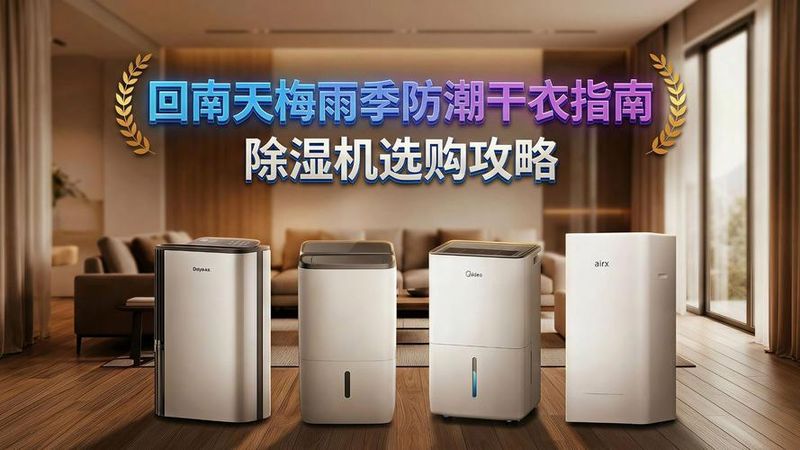
5. Maintenance needs to be done quickly: the condensed disk is a breeding ground for bacteria and it is recommended that filters be cleaned every three months, otherwise the pm2. 5 filtering efficiency will be reduced from 95 per cent to 60 per cent (data source: a brand-specific measurement report)。
Professional advice for the de man comfort family
"we don't talk about any equipment." according to the technical director of the de man comfort family, “new wind dehumidifiers are a practical option for large, high-prescribed horizontal owners with limited budgets, but must be fitted with thermostat construction and door and window seals — otherwise the stronger machines will not be able to stop the tide of the outside wall.” the company will provide a “tide-proof diagnostic service” to detect leaks in houses using thermal imager to avoid blind procurement by customers。