I. Brief introduction to the spirulina
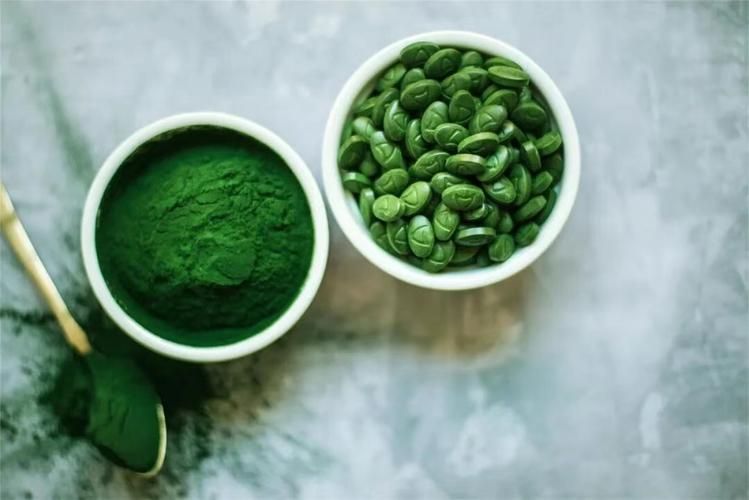
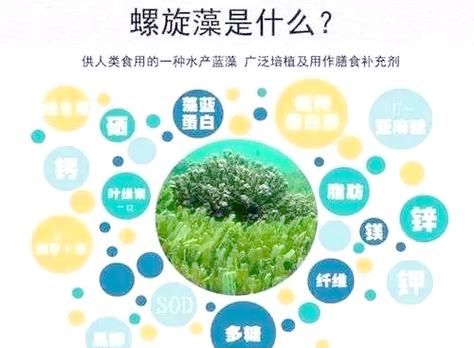
Spirulina (scientific name: spirulina) is a category of low-class organisms, the original nuclear organism, a filamentary body made up of single or multicellular cells, with a length of 200-500 mm, a width of 5-10 m, a cylindrical form, which has a loose or tight, rule-based spiral, and is therefore named. It has a toxic side-response to reduce cancer release and chemotherapy, improves immune functions and reduces blood resin, etc。
Spirulina, also known as “algae spirulina”. Blue algae, tremors. The algae consist of a single cell with no filamentary form, with no or very thin acne, and have a rule spiral to form the algae section. No alien cysts and back-wall spores. Some 38 species, most of them in alkaline salt lakes. Large-scale artificial cultivation, mainly of blunt spirulina, large spirulina and indian spirulina, is currently taking place at home and abroad. Edible, nutritious and as high as 60-70 per cent protein. In natural waters, it breeds in large quantities。
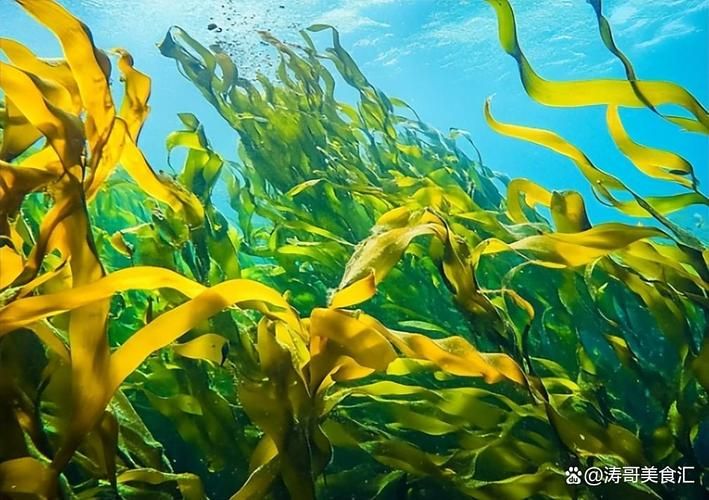
They are grown in a variety of freshwater and seawaters, often floating in or adjunct to other algae and appurtenances to form green cover. The four largest lakes in the world, which naturally produce spirulina, are lake chad in africa (tchad lake), lake texcolake in mexico, lake chenghai in yunnan ri river in china, and lake hamataline in ordos. Artificial and extensive mechanized production。
Ii. How the spirulina was planted
The selection of algae species: the selection of high-quality and productive algae is an important part of the culture process, in which the algae species are domesticated and strengthened to prevent their degradation and transformation。
(b) preparation of a culture base: the widely used domestic and international use is of a type b culture consisting mainly of salts such as nshaco3, nano3, nacl, k2so4, kh2po4, feso4-7h4o. The formulation of the culture base is designed in such a way as to bring its ph and nutritional state as close as possible to that of the algae pool culture fluid, so that the inoculated algae can move quickly into normal growth. New tectonic fluids are added to the cultivation process in accordance with temperature, light, ph and algae morphological characteristics. Ph of culture is usually around 9。
Scaled up training: generally divided into algae cultivation, expanded training, vaccinations, pool development. The amount of inoculation is generally based on algae fluid od (i. E., the photodensity of the algae fluid, which is used to indicate the concentration of algae), which is appropriate at around 0. 1, and is collected at a light level of 0. 8-1. 0 over a period of four to five days under suitable climatic conditions。
Algae pool management: management in the development of large pools is an important guarantee of high productivity. The main elements of the management are the timing of the recording of temperature, water temperature, ph, od values, the removal of miscellaneous items and the timing switch mixer. Algae pools and ponds generally require mixers. Combination not only allows the nutrients to be evenly distributed in the algae pool, avoids light damage and light hunger caused by poor light in the deep shallow algae in the pool, but also eliminates excessive o2s and reduces photocosmic inhibitions due to oxygen saturation. Care is taken to control ph at around 10 by adding nshaco3, adding or replacing fresh culture fluids, increasing the supply of co2 etc. Note the control temperature with a maximum culture temperature of 25-35°c。
Iii. Health effects of spirulina
Lower cholesterol
Cholesterol decreases can be effective in preventing heart disease and strokes, and y-salphate in spirulina can reduce cholesterol in humans, thus effectively reducing hypertension and preventing heart disease。
Regulating blood sugar
In spirulina there are a variety of sugar-reducing substances such as spirulina, magnesium and chromium, which can regulate blood sugar metabolism through a variety of means (e. G. Promotion of insulin distribution, reduction of sugar absorption, promotion of material metabolism, resistance to oxidation, etc.)。
Enhanced immune system
The spirulina is immunely enhanced by the growth of immune organs such as the breast, spleen and the biosynthesis of seroprotein。
To protect the stomach
Most people with stomach problems are over-acid, leading to diseases such as stomachitis, stomach ulcers, spirulina being alkaline foods, spirulina containing high plant proteins and rich chlorophyll, β-carrotin, which are highly effective for the repair, regeneration and normal regeneration of mucous membranes in stomach acids and gastrointestinal tracts, especially for gastrointestinal patients. Through good improvements in the intestine environment, supplementary treatment is also relevant for sugar-contaminated patients. Spirulina can increase emergency response capacity and have some control and protection against diabetes, hypertension, fatty liver and kidney damage。
Anti-cancer, anti-cancer
The mechanisms of anti-tuberculosis and anti-cancer drugs are linked to the rehabilitation of dna, including algae, beta-carrotin and algae blue protein in spirulina, so that spirulina plays an important role in anti-tumour and cancer resistance。
Prevention and treatment of hypertension
Spirulina contains a large amount of unsaturated fatty acids, of which sub-oilic acids and subsedic acids account for 45 per cent of the total fatty acids. Both are important ingredients of phosphorus in cell membranes that prevent the accumulation of total cholesterol and glycerine in the liver, blood vessels and damage to the normal physiological function of the cardiovascular environment。
Oxidation, ageing, fatigue
Free radicals are one of the root causes of human aging and disease, and the hyperoxidation dichotomy enzymes (sods) can act as catalysts for the elimination of the free radicals. The spirulina mitigates motor-induced oxidating free radical damage, protects cellular membrane structures and resists motor fatigue。
Radiation-resistant function
Spirulina hypermalgae are resistant to radiation
(1) spirulina contains large amounts of algae, blue protein and algae, rich proteins and biologically active components such as multivitamins (vitamin c and vitamin e, etc.), beta-carrotin and trace elements (e. G. Selenium, zinc and iron), increasing the immune function of the organism and mitigating and mitigating the inhibition of the rays on the immune system。
(2) spirulina has a strong antioxidation effect, which increases the body's antioxidation activity and captures free radicals, thereby reducing dna damage from the formation of a free base for radiation-induced development。
(3) spirulina contains a wealth of iron, vitamin b12 and chlorophyll, which promotes blood-making functions and mitigates and mitigates radiation inhibitions on bone marrow-making functions。
Treatment of anaemia
Iron-deficiency anaemia is a very common phenomenon, and spirulina contains an extremely rich quantity of iron and chlorophyll, which can effectively improve human anaemia. The spirulina contains abundant active iron, vitamin b12 and chlorophyll, which are raw materials and enzymes for synthetic haemoglobins, and the algae algae blue proteins and algae sugars in the spirulina enhance the ratio of multiple red cells in the bone marrow of mice to active red cells, so the spirulina can contribute in many ways to the synthesis of haemoglobin and bone marrow blood function and act against anaemia。
Iv. Pharmacological effects of spirulina
1. Anti-radiation effects: oral spirulina in mice before and after radiation exposure increases the survival of mice。
2. Antibacterial effects: passivated spirulina have antibacterial effects on geran positive bacteria, ethanol extracts containing lipids and tritium compounds have the strongest antibacterial activity, and withdrawals containing ostrichol have also antibacterial effects but are less effective. Passive spirulina has no inhibitive effect on gelatinella。
3. Cancer resistance: spirulina inhibits the formation of nih mice induced by short-term injections and long-term multiple injections of 1,2-dimethylacademics and standard rodent intestinal deformities。
4. Photo-sensitization: memocular cells in mice bred with 0. 25 mg/ml algae (algae algae algae cyanide) were irradiated with 514 nm 300 j/cm2, and cancer cells were found to survive at only 15 per cent, whereas cells survived 69 per cent and 71 per cent using laser irradiation or algae blue protein alone。
5. Effects on the immune system: spirulina hypersalgae can increase serosols in mice by 39. 5-98. 0 per cent, a 32. 5-51. 5 per cent increase in the consumption rate of abdominal macro-eats, a 0. 9-1. 8 per cent increase in the absorption factor, a 46. 8-87. 7 per cent increase in the number of t-lymphocytes, an intense spleen mellic lymphocytes, a significant increase in the number of ulcer cells in the meds, and a 7. 3-12. 8 per cent increase in the number of positive lymphocytes of the acid α-acate (anae)。
6. Cholesterol reduction: 30 high cholesterol and light high blood resin males were divided into two groups, group a performed spirulina 4. 2g per day for eight weeks, and serum total cholesterol fell from 6. 3 mmol/l (244 mg/dl) to 6. 1 mmol/l (233 mg/dl) within four weeks, a decrease of 4. 5 per cent. Group b stopped for four weeks, and the total serum cholesterol decreased and then recovered to its initial level. Low-density protein cholesterol decreased significantly in four weeks to 6. 1 per cent, and serum cholesterol decreased even more in those who had high cholesterol levels。
7. Protection of the stomach: passive spirulina into the stomach 250-500 mg/kg, which has a significant effect on the experimental ulcer model of the cysin (inflammation) type and the waterless ethanol of the rats; can reduce the incidence and decrease the number of ulcer models of the claustrophs and have some inhibition on the gastrogen; can accelerate the healing of the ulcer of the chronic acetic acid rats。