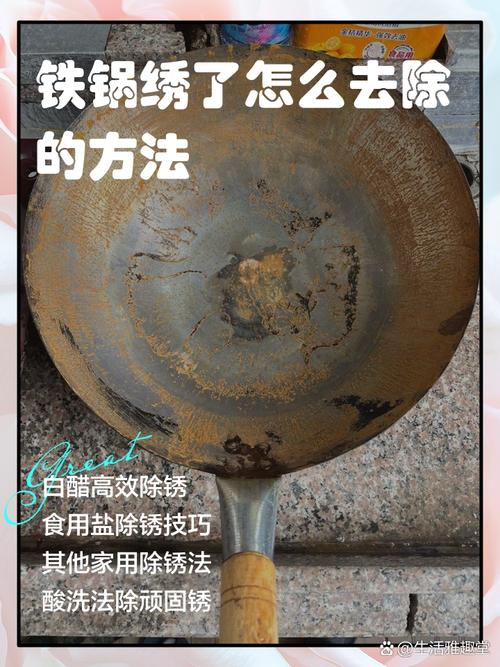
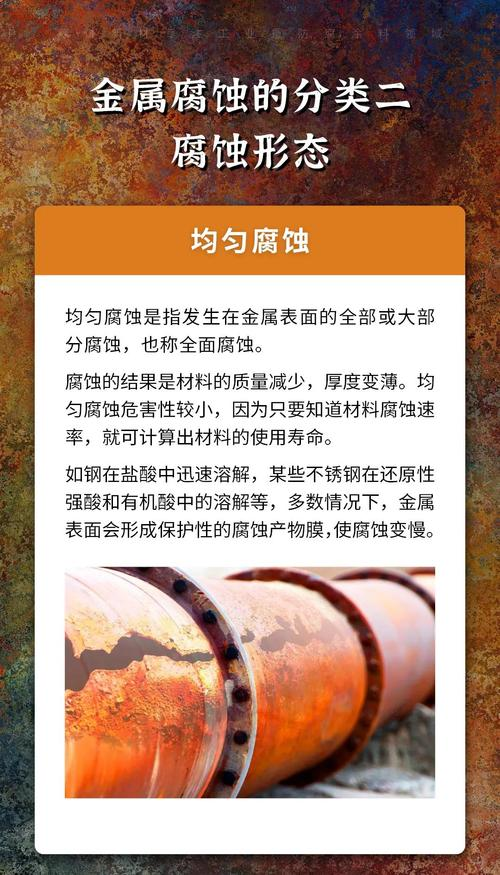
Why is iron rusty? First, it is important to understand why iron is rusty. The reason for this is simple: when iron meets moisture and oxygen in the air, there is a chemical reaction that generates rust (iron oxide). The process is called the "oxidation reaction" as if the apple had been cut and the color changed. The wet environment provides moisture, while oxygen in the air is an “accompaniment” for rust. As long as the environment is damp, iron products are vulnerable to erosion。
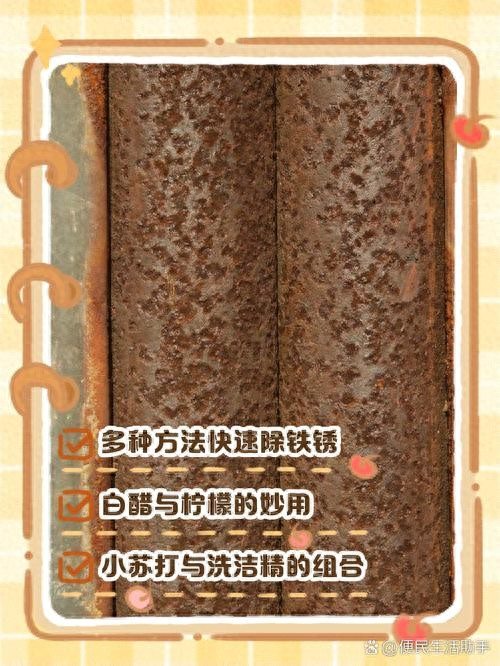
Secondly, the central principle against rust is that it is about cutting off iron and water and oxygen. If only iron were to be “detached” from these elements, it would greatly prolong its “adolescentness”. It can be broadly summarized as three strategies:
Interception: prevention of water and oxygen exposure to iron surfaces by materials or measures: careful maintenance of protective coatings over iron surfaces: regular cleaning and maintenance to prevent erosion fan
Iii. Operational rust resistance techniques
The most common and simple method is to paint stainproof oil or wax. You can use special stainproof oils, such as oil, lubricants or wax products, evenly on the surface of iron. These oils form a protective film on the iron surface, effectively blocking moisture and air, and are particularly suitable for outdoor iron instruments, such as iron fences or toolboxes in gardens. The use of rustproof paints or coatings may be used for the selection of specialized metal stainproof paints if it is desirable to make iron products more beautiful. The coating will both prevent water vapour erosion and enhance the appearance of iron, making it more attractive and durable. Keeping dry and away from damp is the most fundamental and critical step. The storage environment for iron products should be dry and ventilated, with the use of dehumidifiers or dry bags to help the air stay dry and avoid erosion by water vapour. The use of rustproof bags or sealed packaging for less or temporarily unused iron products may be packed in a sealed bag and placed in a rustproof bag or silicone drying agent to prevent water intrusion into the air. Regular clean-up and maintenance, even when rust-proofing measures are in place, are carried out periodically to inspect iron products and remove rust from the surface. Rusted stains can be wiped with soft cloths or lemonade, and then stainproof oil will be more effective。
Iv. Scientific “blacktech” society
Zinc plating or chromium plating over a layer of zinc or chromium on the iron surface can significantly enhance iron resistance to corrosion. This is often used for bicycles, car parts, etc. When stainless steel or alloy materials are used, if conditions permit, they select stainless steel or special alloy products, which themselves have very strong corrosion resistance properties. As a result of scientific advances, some nano-grade stain-proof materials have emerged. These materials form an extremely strong protective layer on the iron surface, which greatly enhances corrosive resistance and is highly suitable for industrial use。
V. Summary: the practical and simple nature of the rustproofness is such that it is effective against erosion by:
If these simple habits are upheld, the useful life of iron products can be prolonged and given new colours。
Although rusty iron is common, it is easy to cope with simple techniques and good habits. The rust-proofness of life is actually a manifestation of care and patience. Next time you see iron color change or rust, try these ways to make your iron work fresh again! If you have a better rustproof secret, you're welcome to share your messages